
Lieferung heute & morgen

Qualitätsgarantie

Willkommens-Angebote freischalten: KOSTENLOSE Lieferung | Bis zu 80 % RABATT | Kostenlose 30-Tage-JoyPlus-Testphase
App herunterladen
Creating dynamic and immersive video content places high demands on your equipment. Choosing the perfect frame without missing key moments is a challenge, especially during fast-paced action or unpredictable events. A 360-degree action camera solves this problem by capturing the entire environment simultaneously, shifting the creative decision of framing to post-production. This article provides a guide to the technical features of current models and presents a selection of cameras for demanding users.
The choice of model depends on your individual requirements for image quality, durability, and functionality. The following criteria will help you make your selection.
Modern action cameras offer resolutions far beyond the 4K standard. An 8K camera in a 360-degree format not only delivers a detailed spherical image but also offers significant advantages for "reframing." This process involves extracting a traditional, flat video from the 360-degree footage with a freely selectable frame. A high initial resolution is crucial here to maintain sharp 4K or 1080p quality even after cropping. Traditional action cams like the GoPro HERO 13 focus on a single, high-quality wide-angle image and are often optimised for specific point-of-view shots.
For smooth footage during sports or vlogging on the go, a high-performance action cam with image stabilisation is essential. Electronic Image Stabilisation (EIS) systems like GoPro HyperSmooth or DJI FlowState correct shakes in real time. An additional feature is horizon levelling, which ensures the horizon remains straight even when the camera is tilted or rotated sharply. This gives videos a professional and steady look.
Action cameras are designed for use in demanding conditions. A modern waterproof camera should be usable at depths of at least 10 metres without an additional protective housing. This significantly increases convenience, as no cumbersome assembly is required. Other features, such as replaceable lens covers or a rugged body, contribute to the device's longevity, especially for extreme sports.
Based on the criteria mentioned, we have compiled a selection of models that stand out for their technical specifications and use cases.
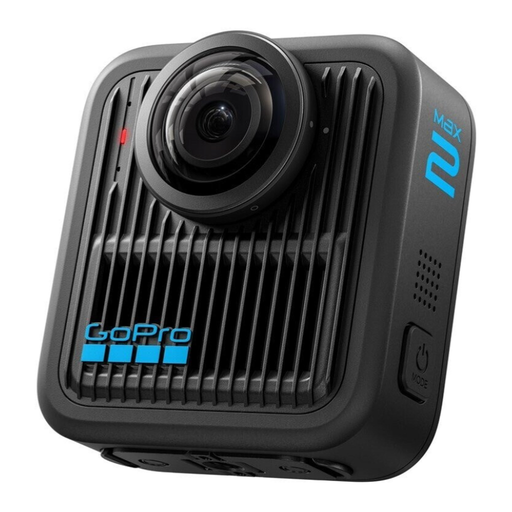
Why it stands out: The GoPro MAX2 combines the features of a 360-degree camera with those of a traditional action cam. It enables spherical recording in true 8K resolution, providing high detail density and flexibility for reframing in the GoPro Quik app. A special feature is the invisible selfie stick effect, where the mount is automatically removed from the 360-degree footage, resulting in stunning third-person perspectives. The replaceable lens covers increase durability and lower repair costs in case of damage.
Advantages:
Who it's for: Content creators, vloggers, and adventure travellers who seek maximum creative freedom and don't want to choose between a 360-degree and a traditional action cam. Ideal for anyone who wants to frame their shots in post-production and create versatile perspectives from a single clip.
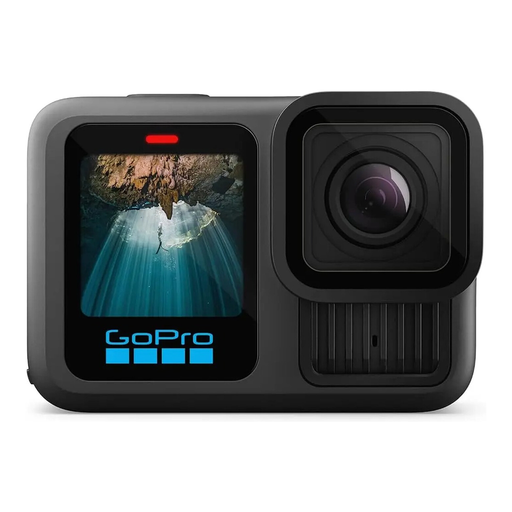
Why it stands out: The GoPro HERO13 Black is a specialised, traditional action cam designed for maximum image quality in a rugged body. With video recording up to 5.3K at 60 frames per second and a large 1/1.9-inch image sensor, it delivers detailed and fluid footage. Compatibility with the HB lens system allows for the use of interchangeable lenses (e.g., ultra-wide-angle or macro), expanding creative possibilities. The HyperSmooth 6.0 stabilisation ensures steady shots even during the most intense action.
Advantages:
Who it's for: Users who need a powerful and rugged point-of-view camera for sports, travel, or professional productions. It's the right choice when the focus is on the best possible image quality in a traditional wide-angle format and 360-degree functionality is not required.
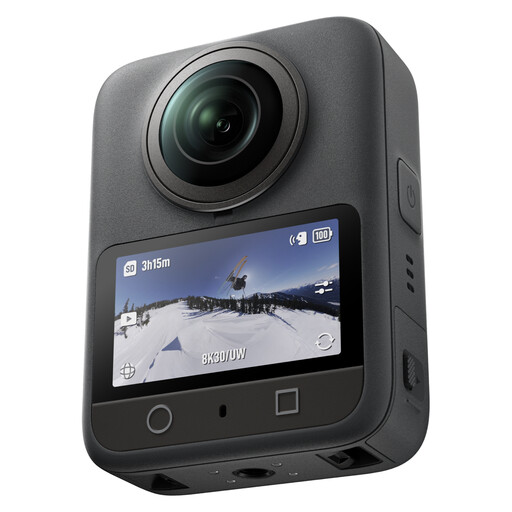
Why it stands out: The DJI Osmo 360 stands out with its large 1-inch sensor, which enables high image quality, especially in low-light conditions. It records native 8K 360° video and can create impressive 120 MP panoramic photos. A handy feature is the built-in 105 GB of storage, allowing for recording without an additional memory card. The magnetic quick-release system facilitates rapid switching between different mounts, making the camera a flexible vlogging camera.
Advantages:
Who it's for: Tech-savvy content creators and travellers who value high image quality in various lighting conditions. The integrated storage and quick-release system make it a practical option for users looking for a straightforward and quick-to-deploy solution.
The models featured here cover a wide range of high-end applications. If you're looking for cameras with different specifications or for a different budget, it's worth exploring our full collection.
Explore our full range of action video cameras and find the perfect model for your next adventure.
The key advantage is the ability to capture an entire scene without having to aim the camera. You can focus on the activity and decide on the framing later in post-production. This prevents you from missing important moments and opens up new creative possibilities for video editing.
The "invisible selfie stick" effect is created by the camera's software. A 360-degree camera uses two or more lenses to record its surroundings. The software stitches the images from these lenses into a single spherical picture. In the process, the area where the stick is located directly beneath the camera is algorithmically removed from the final video. The result is footage that looks as if the camera is floating or being filmed by a drone.
Yes, special software is required to edit 360-degree footage. However, manufacturers typically provide user-friendly mobile and desktop applications, such as the GoPro Quik app or the DJI Mimo app. These programs allow you to view the 360-degree material, reframe shots, adjust stabilisation effects, and export the videos into traditional formats for publishing on platforms like YouTube or Instagram.