
Lieferung heute & morgen

Qualitätsgarantie

Willkommens-Angebote freischalten: KOSTENLOSE Lieferung | Bis zu 80 % RABATT | Kostenlose 30-Tage-JoyPlus-Testphase
App herunterladen
The idea of a single car seat that accompanies your child from birth to school age is an appealing prospect. A 360° i-Size car seat promises just that: maximum safety with the latest standard, superior comfort thanks to the swivel feature, and long-term usability. However, the market is overwhelming, and not every model advertised as "all-in-one" delivers on its promises in practice. Before you make a decision, it's crucial to understand the common pitfalls that can lead to frustration and unnecessary expenses.
The 2 Most Common Pitfalls When Buying a Multi-Stage Car Seat:
To make an informed decision, you should focus on the technical specifications that directly impact safety and user-friendliness. Marketing promises should take a backseat.
Always look for certification under ECE R129, also known as i-Size. This standard has superseded the older ECE R44 standard and imposes stricter safety requirements:
For a rear-facing car seat with a swivel function, the installation method is critical. The combination of ISOFIX and a support leg is the most practical solution.
A seat intended for use over 12 years must be highly adaptable. Look for the following features:
Based on the criteria above, we have identified several models that represent a considered choice for different needs and budgets.
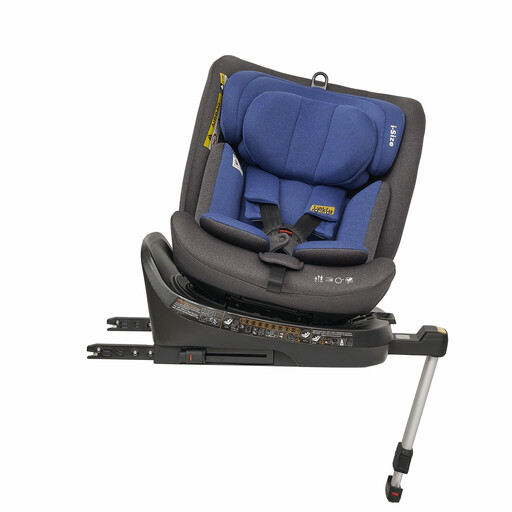
Why This Fits Their Persona: Ideal for parents seeking a single, reliable solution from the first ride home until their child no longer needs a car seat. This model focuses on essential safety and comfort features without costly extras.
The combination of ISOFIX and a support leg ensures the 360° swivel function is fully unrestricted. The multi-level adjustable headrest and removable inserts address the problem of poor fit during transitional stages.
Meets the strict i-Size (ECE R129) standard. Covers the entire usage period from 40 cm to 150 cm. Includes a detachable sun canopy for added protection.
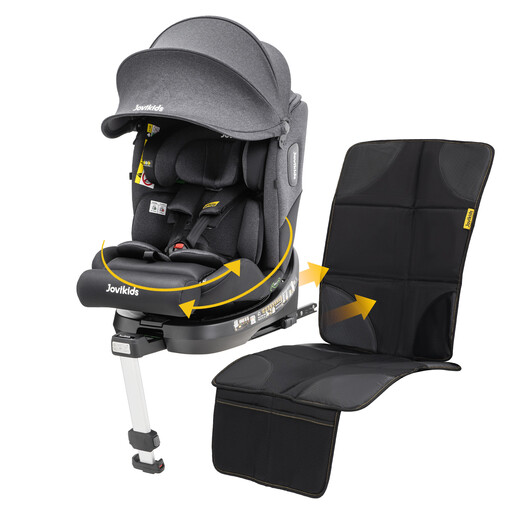
Why This Fits Their Persona: For families who travel more frequently and for longer periods, and who value additional comfort. This model offers enhanced materials and features beyond the standard functions.
Actively addresses the comfort issue of the 'one-size-fits-all' trap. According to the manufacturer, an ergonomic memory foam insert provides better body contouring and increased seating comfort, which is particularly beneficial on long journeys.
Features a sun canopy with UPF 50+ and extended coverage. The memory foam insert offers improved ergonomics, according to the manufacturer. 12-level headrest adjustment.
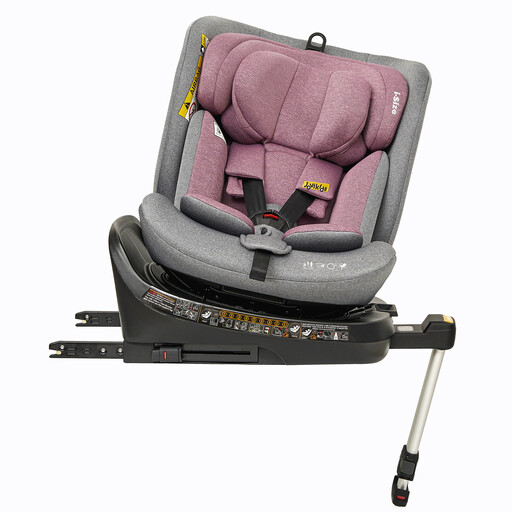
Why This Fits Their Persona: A sensible choice for those who don't want to compromise on the core benefits—i-Size safety and 360° rotation—but don't have the budget for premium add-ons. The focus here is clearly on functionality.
This model also uses the proven combination of ISOFIX and a support leg to enable unrestricted 360° rotation. It offers all the necessary adjustments for long-term use, thus avoiding the most common problems with ill-fitting seats.
Delivers the full i-Size safety package and 360° swivel function at an accessible price point. According to the manufacturer, the covers are removable and washable, which makes maintenance easier.
We have compiled a complete, real-time list of products that fully satisfy these strict selection criteria and UK safety regulations.
The ECE R129 (i-Size) standard mandates that children must be transported in a rear-facing position until at least 15 months of age and a height of 76 cm. However, many safety experts and motoring organisations recommend keeping children in a rear-facing car seat for as long as possible, ideally up to the age of four, as this offers the best possible protection for the head and neck in a frontal collision.
Not necessarily. Although i-Size aims for universal compatibility with all i-Size certified vehicle seating positions, there are exceptions. Always check the car seat manufacturer's vehicle compatibility list before purchasing. This list specifies for which car models the seat is approved. An ISOFIX car seat with a support leg also requires sufficient space in the vehicle's footwell.
No, under no circumstances. The swivel function is exclusively for making it easier to get in and out of the car when it is stationary. While driving, the seat must be securely locked in either the forward-facing or rear-facing position. Any other position is not designed for an accident scenario and offers no protection.