
Lieferung heute & morgen

Qualitätsgarantie

Willkommens-Angebote freischalten: KOSTENLOSE Lieferung | Bis zu 80 % RABATT | Kostenlose 30-Tage-JoyPlus-Testphase
App herunterladen
Choosing a child car seat is one of the most important decisions for expectant parents. The market offers a vast array of models, but terms like "i-Size," "360-degree," or "grows with your child" can quickly become overwhelming. Many well-intentioned features prove impractical in daily use or distract from the safety characteristics that truly matter. This guide will help you distinguish what's essential and find a seat that is not only safe but also practical for the long term.
We'll highlight the most common pitfalls in purchasing a car seat and show you which core features are truly crucial.
To make an informed decision, you should focus on three objective parameters that directly impact safety and usability.
The ECE R129 car seat regulation, better known as i-Size, is the current European safety standard. Unlike the older ECE R44 standard, classification is based on the child's height rather than weight, allowing for a more precise fit. Key advantages include:
A car seat that grows with your child from 0-7 years is a smart economic investment, but only if it genuinely adapts to the child's development. Look for the following features:
A rear-facing seat with Isofix and a load leg creates a stable triangular connection with the vehicle's chassis. This system prevents the seat from tipping or rotating during an impact. Modern seats offer additional safety through visual or audible indicators that confirm whether the Isofix connectors are correctly engaged and the load leg is properly positioned. A smart car seat with an app can take this a step further by monitoring the installation status in real-time.
Based on the criteria above, we have identified several models suitable for various needs and priorities.
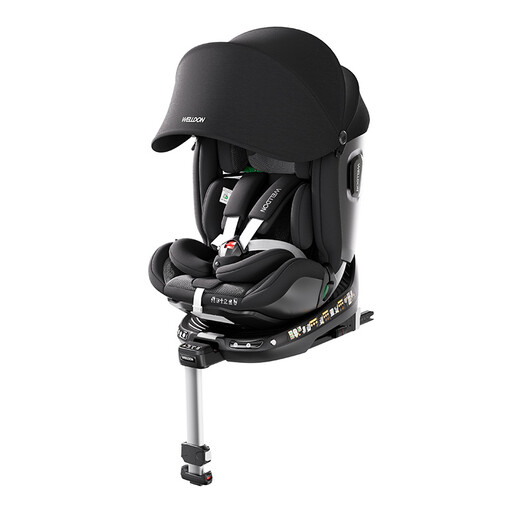
Why This Fits Their Persona: Ideal for parents who want extra safety and control through technology. This seat integrates smart sensors that monitor the installation status in real-time and send alerts to an app.
Directly addresses the installation pitfall (Pitfall 3) with its "Hawk-eye" system, featuring 8 sensors that provide audible and visual warnings for incorrect use, minimizing human error.
Smart safety system with app connectivity; i-Size certified for children from 40–125 cm (0–7 years).
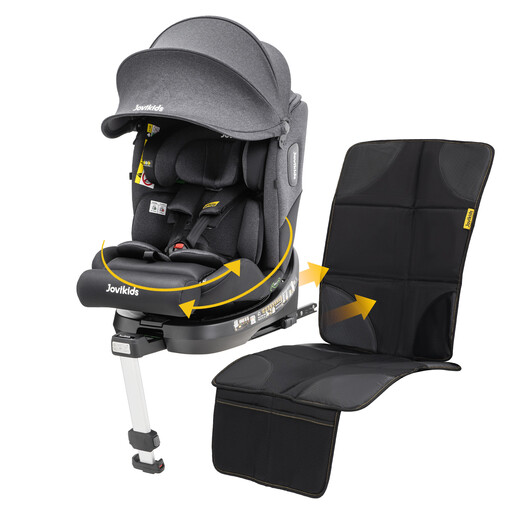
Why This Fits Their Persona: Perfect for families looking for a single, long-lasting solution. This seat covers the entire period from birth to 12 years (40–150 cm), offering excellent value for money.
Meets the current i-Size standard (Pitfall 1) and offers an economical solution with its extremely long lifespan, without compromising on core safety standards.
A single investment for 12 years; 12-position adjustable headrest and i-Size certification.
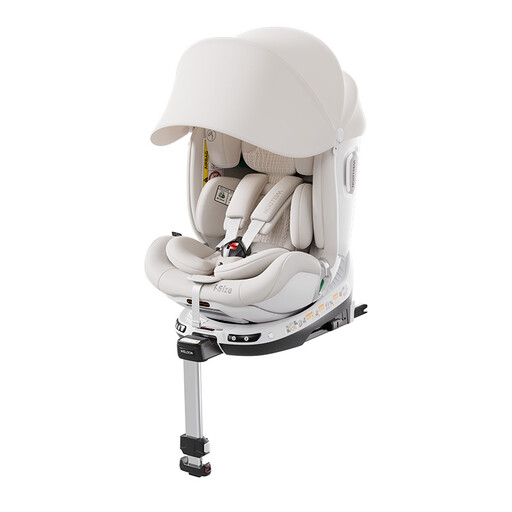
Why This Fits Their Persona: Designed for parents who prioritise maximum comfort for their child and ease of use in daily life. The smooth rotation and ergonomic recline positions make every journey more pleasant.
Counteracts the ergonomics pitfall (Pitfall 2) with a C-shaped, ergonomic structure and a near-flat recline position for newborns, which protects the spine and maximises comfort.
One-handed 360° rotation with a 90° stop function towards the door; multiple ergonomic recline positions.
We have compiled a complete, up-to-date list of products that fully meet these strict selection criteria and UK/EU safety regulations.
1. How long must my child travel in a rear-facing car seat? According to the i-Size (ECE R129) standard, rear-facing transport is legally required until at least 15 months of age and a height of 76 cm. However, safety experts recommend keeping children rear-facing for as long as possible, ideally up to the age of four, as this provides significantly better protection for the neck in a frontal collision.
2. Does every i-Size car seat fit in every car with Isofix? Not necessarily. Although i-Size and Isofix are standardised, the shape of vehicle seats, the position of the Isofix anchor points, and the length of the load leg can vary. Therefore, always check the car seat manufacturer's vehicle compatibility list before purchasing. This can usually be found on the brand's website.
3. What does a "multi-stage car seat" mean in practice? A multi-stage or "grows with your child" seat is designed to cover multiple age and size groups. This is achieved through adjustable components. For newborns, there are special inserts that are later removed. The headrest and harness system can be adjusted in height to grow with the child. For models that can be used until the end of the car seat requirement (12 years or 150 cm), the integrated 5-point harness is later removed, and the child is secured with the vehicle's 3-point seat belt.