
Lieferung heute & morgen

Qualitätsgarantie

Willkommens-Angebote freischalten: KOSTENLOSE Lieferung | Bis zu 80 % RABATT | Kostenlose 30-Tage-JoyPlus-Testphase
App herunterladen
Choosing a car seat is one of the most critical decisions for your child's safety in a vehicle. The market offers a plethora of models, but terms like "i-Size," "360-degree rotation," and "grows with your child" can create more confusion than clarity. Many parents invest in a supposedly future-proof seat, only to discover after a short time that it's impractical, unsafe, or uncomfortable for their child. This guide will show you what to look for to avoid common purchasing pitfalls and make an informed decision.
Before we dive into the crucial features, it's important to understand the most common problems that can arise during the selection process.
To make a safe and long-lasting choice, focus on these three objective criteria.
The ECE R129 car seat standard, better known as i-Size, is the current European safety benchmark. Compared to the older ECE R44 regulation, it offers significant advantages:
A car seat with ISOFIX connects directly to the vehicle's chassis. These standardised attachment points significantly reduce the risk of incorrect installation compared to using the car's seatbelt.
A true all-in-one car seat from birth must adapt flexibly to different growth stages. Look for the following features:
Instead of presenting an overwhelming list, we have selected products for specific parent profiles based on objective features.
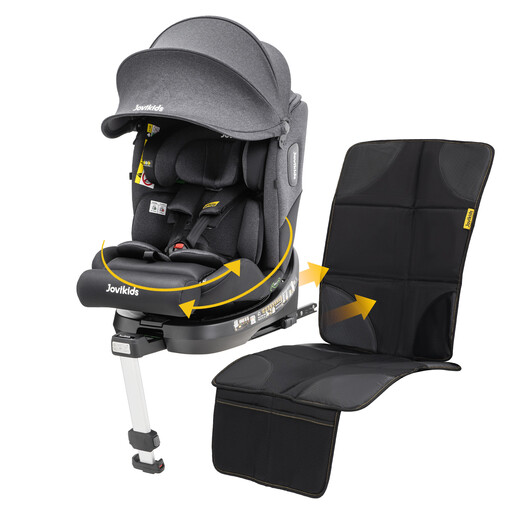
Why This Fits Their Persona: This seat is designed for parents who want to make a single investment to last the entire time a car seat is required. It covers the range from 40 cm (birth) to 150 cm (approx. 12 years), combining an infant carrier, rear-facing seat, and booster seat into one product.
It bypasses the "One-Size-Fits-None" trap with a well-designed system of removable cushions and a 12-position adjustable headrest. Its certification under ECE R129 (i-Size) ensures that safety meets the highest standards at every growth stage.
Combines i-Size safety, 360° rotation for easy entry and exit, and an extremely long lifespan. Installation with ISOFIX and support leg is straightforward and secure.
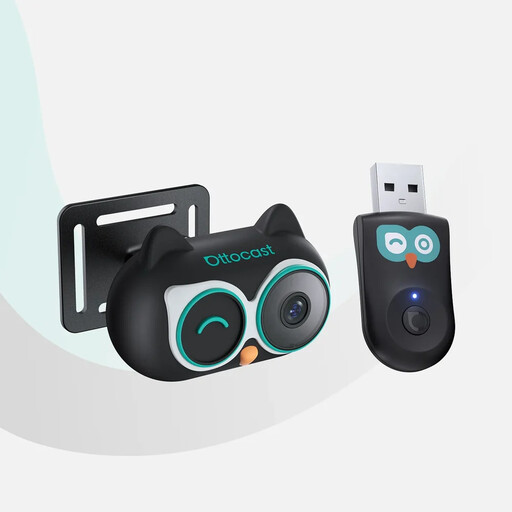
Why This Fits Their Persona: For parents who want to safely check on their child while driving without being distracted. This system integrates a baby camera directly into the vehicle's factory CarPlay display.
It solves the problem of dangerous distractions caused by turning around or using an unreliable mirror. The integration into the car's screen avoids extra monitors that could obstruct the view.
Offers a split-screen mode to view navigation and the camera feed simultaneously. The glare-free night vision function provides a clear view even in the dark without disturbing the child.
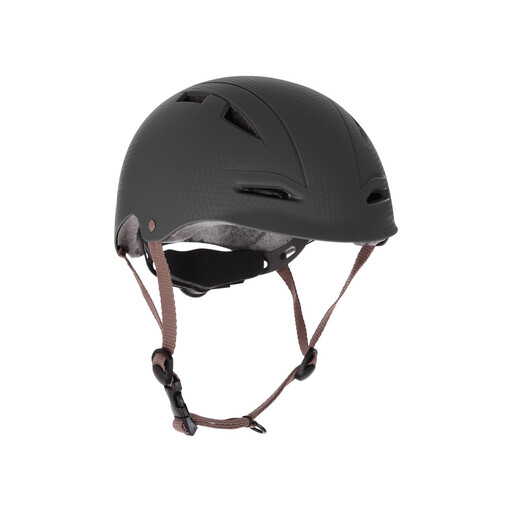
Why This Fits Their Persona: For families where safety doesn't stop at the car door. This helmet protects children during activities like cycling, scootering, or skateboarding, complementing the safety strategy for an active lifestyle.
It prevents the neglect of safety outside the car. A good car seat is essential, but a holistic approach to protection includes other modes of transport.
The helmet is size-adjustable (46-56 cm) and grows with the child. Nine ventilation openings keep their head cool, and certification under CE EN 1078 confirms compliance with European safety standards for bicycle helmets.
We have compiled a complete, up-to-date list of products that fully meet these strict selection criteria and UK/EU safety regulations.
1. How long should my child travel in a rear-facing car seat? According to the i-Size standard (ECE R129), rear-facing travel is legally required until 15 months of age. However, safety experts recommend keeping children in a rear-facing seat for as long as possible, ideally up to the age of four. A young child's neck muscles are not fully developed, and the rear-facing position provides the most effective support for the head and neck in a frontal collision.
2. Is an all-in-one car seat from birth to 12 years truly safe for the entire duration? A high-quality, ECE R129 certified seat can safely cover this period, provided it is correctly adjusted to the child's size at each stage. It is crucial that the seat includes dedicated newborn inserts that are later removed, and that the headrest and harness system grow precisely with the child. Models like the Jovikids car seat are specifically designed to provide the correct fit and necessary protection at every phase.
3. What is the difference between the old ECE R44/04 and the new ECE R129 (i-Size) standard? The main difference lies in the safety requirements. i-Size (R129) classifies seats by height, mandates a side-impact test, and makes rear-facing travel compulsory until 15 months. The older R44 standard classifies by weight, has no mandatory side-impact test, and allows forward-facing travel from just 9 kg, which is now considered too early. i-Size seats therefore offer a demonstrably higher standard of safety.