
Lieferung heute & morgen

Qualitätsgarantie

Willkommens-Angebote freischalten: KOSTENLOSE Lieferung | Bis zu 80 % RABATT | Kostenlose 30-Tage-JoyPlus-Testphase
App herunterladen
A high-quality cantilever parasol transforms a garden, patio, or large balcony into a flexible, relaxing oasis. But the market is vast, and not every model lives up to its promise. Before you make a decision, it's crucial to understand the common flaws that often only become apparent after purchase. Many parasols turn out to be impractical, unstable, or offer inadequate protection.
This guide shows you what to look for to find a durable and functional cantilever parasol that rotates 360 degrees. We'll focus on the three most common problems:
To avoid the problems mentioned above, you should check three core parameters. These determine whether a cantilever parasol is a worthwhile investment for your outdoor space.
The greatest strength of a cantilever parasol lies in its flexibility. A model that rotates 360 degrees allows you to move the shade as the sun travels, without having to move the heavy base. Look for smooth operation, ideally via a foot pedal on the cantilever parasol with a base.
Additionally, a tiltable parasol is a major advantage. A crank or slider lets you tilt the canopy to provide optimal protection even when the sun is low in the morning or evening. This combination of rotation and tilt ensures continuous shade all day long.
Wind resistance is a critical safety feature. A wind-resistant patio umbrella is distinguished by the following characteristics:
A good garden parasol is more than just a shade provider; it's a protective shield.
Based on the criteria above, we have identified several products that are well-suited for specific user profiles.
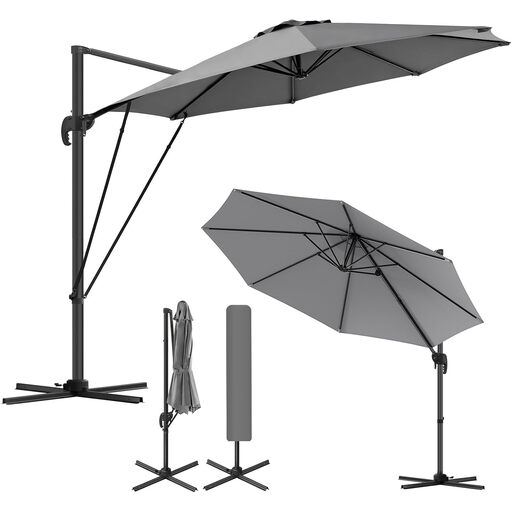
Why This Fits Their Persona: Ideal for families who need a large, flexible shaded area for the garden. The simple 360° foot pedal operation and tilt function make it effortless to adjust the shade over the kids' play area or the dining table, while the high UV protection ensures safety.
The combination of an aluminium pole, 8 sturdy ribs, and a wind vent counteracts the instability trap. The UPF 50+ fabric prevents the deceptive shade of inferior parasols.
360° rotation via foot pedal and 5 tilt levels for all-day shade. Includes wind-resistant stabiliser ropes and a protective cover.
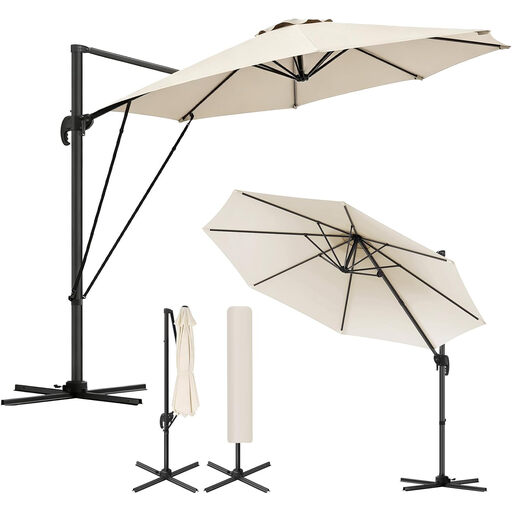
Why This Fits Their Persona: For users who value a high-quality, durable, and aesthetically pleasing solution for their patio. The smooth operation and robust materials meet high standards of quality and comfort for daily use.
Bypasses the "impractical handling" trap with a smooth crank and pedal system. The high-density polyester fabric (200 g/m?) with a PA coating ensures durability and colour fastness.
Durable materials (aluminium/iron pole) and a high UV protection factor (UPF 50+). The large shaded area of approx. 7 m? is ideal for lounge or dining areas.
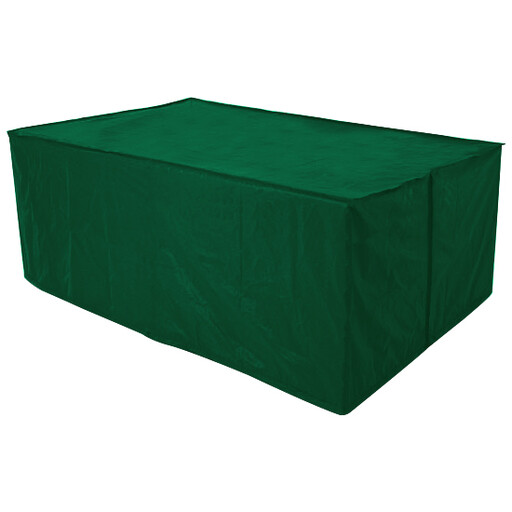
Why This Fits Their Persona: Anyone who invests in a high-quality cantilever parasol wants to maximise its lifespan. This protective cover is the logical addition to shield the parasol from weather, dirt, and UV-induced fading when not in use.
Directly addresses the hidden trap of weather damage. A protective cover prevents the parasol fabric from becoming brittle and the frame from suffering due to constant moisture or winter sun.
Made from tear-proof and water-repellent polyethylene. An integrated drawstring ensures a secure fit, even in windy conditions.
We've compiled a complete, up-to-date list of products that fully meet these strict selection criteria and UK safety regulations.
Stability depends critically on the base. Use a plate stand weighted with at least four paving slabs (e.g., 50x50 cm), or a fillable base filled with a mix of water and sand to achieve maximum weight. Many models also include stabiliser straps for extra security in windy weather.
Look for a UPF 50+ (Ultraviolet Protection Factor) rating. This is the highest standardised protection factor for textiles and means the fabric filters out more than 98% of UV radiation. A high UPF rating is especially important for protecting your skin during extended time outdoors.
This depends on the size of the balcony. For a large balcony or a rooftop terrace, a 3m cantilever parasol can be a good solution, provided the base can be placed securely on a level surface and there is enough clearance to rotate and tilt. For smaller spaces, a special balcony parasol, which often has a semi-circular shape and can be placed directly against a wall, is usually the more practical choice.