
Lieferung heute & morgen

Qualitätsgarantie

Willkommens-Angebote freischalten: KOSTENLOSE Lieferung | Bis zu 80 % RABATT | Kostenlose 30-Tage-JoyPlus-Testphase
App herunterladen
The selection of 3D printer filament can be overwhelming for beginners and even experienced users. PLA, PETG, ABS—each material has specific properties that make it more or less suitable for certain applications. Choosing the wrong material can lead to failed prints, unstable parts, and unnecessary costs.
This guide serves as an objective resource. It explains the key differences between the most common filament types and presents a selection of materials suited for various requirements and skill levels. The goal is to provide you with the information you need to make an informed decision when buying filament.
Before you choose a product, there are three fundamental aspects to consider: the material itself, the filament diameter, and proper storage.
The choice of material depends directly on your project.
The vast majority of consumer FDM 3D printers use 1.75mm filament. Some older or specialised models use a 2.85mm diameter. Always check your printer's specifications before purchasing, as the wrong diameter will lead to extrusion issues and nozzle clogs. All products featured here have the standard 1.75mm diameter.
Many filaments, especially PLA and PETG, are hygroscopic, meaning they absorb moisture from the air. Moist filament leads to poor print quality, bubbling in the extruded material, and brittle prints. Therefore, always store your filament spools in a cool, dry place, ideally in a resealable bag or a dedicated dry box with silica gel.
Here is a selection of filaments suitable for different applications and experience levels.
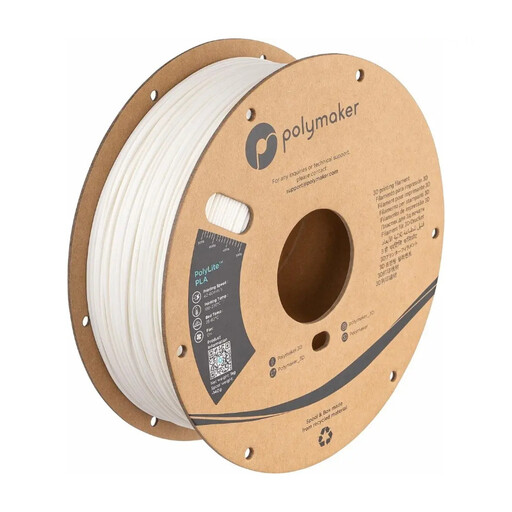
Why it stands out: This Polymaker filament is based on the high-quality Ingeo 3D850 raw material and features the patented Jam-Free technology. According to the manufacturer, the filament's heat resistance is increased to 140°C before melting, which significantly reduces the risk of hotend clogs caused by heat creep.
Advantages:
Who it's for: Ideal for beginners looking for a reliable and easy-to-handle material, as well as for professional users who need consistent results for prototypes and models.
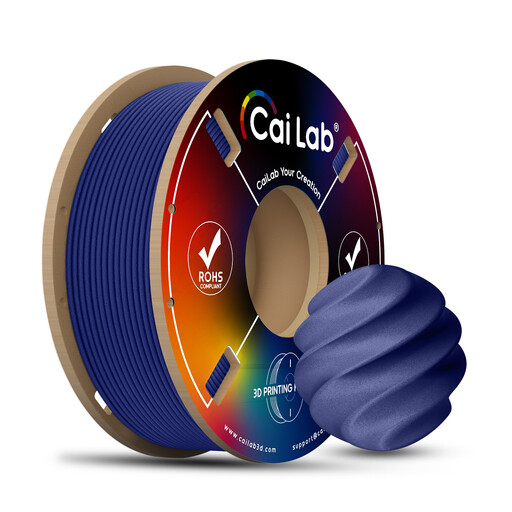
Why it stands out: This filament combines the toughness and chemical resistance of PETG filament with the stiffness and low weight of carbon fibres. The result is parts with high mechanical strength and a matte, professional finish.
Advantages:
Who it's for: Advanced users and prosumers who print functional, high-strength parts. It's a great choice for mechanical components, brackets, or technical prototypes. Important Note: Due to the abrasive nature of the carbon fibres, using a hardened steel nozzle or a ruby/sapphire-tipped nozzle is mandatory to prevent rapid wear of standard brass nozzles.
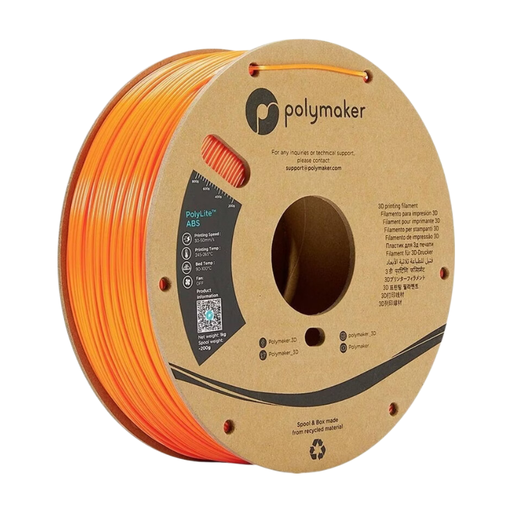
Why it stands out: This ABS filament from Polymaker was specially developed to address one of the biggest challenges with ABS: odour emission. According to the manufacturer, it uses a specialised polymerised ABS resin that releases significantly fewer volatile compounds and odours during printing.
Advantages:
Who it's for: Users who need the mechanical and thermal properties of ABS for technical applications but are looking for a more user-friendly alternative to conventional ABS. Good ventilation of the printing area and a heated print bed (90°C – 100°C) are still required.
The world of 3D printer accessories and filaments is diverse, offering materials for almost any conceivable purpose. For users who require even greater stiffness and lower weight for technical components, a wider range of composite materials is available. Explore our selection of carbon fibre filament to expand the options for your next project.
The main difference lies in the combination of flexibility and durability. PLA is very stiff but also brittle, meaning it tends to break rather than bend under stress. It also has low heat resistance. PETG is less stiff but significantly tougher and more impact-resistant. It can withstand higher temperatures and is more chemically resistant, making it a better material for functional parts that will be subjected to some stress.
Most filaments are hygroscopic, meaning they attract moisture from the ambient air. This significantly impairs print quality. The best storage method is to keep the filament spool in an airtight bag or a plastic box with a desiccant packet (silica gel) when not in use. This prevents moisture absorption and ensures consistently good print results.
PLA filament is the most common recommendation for beginners in 3D printing. It is the easiest to work with because it prints at relatively low temperatures, adheres well to most print surfaces, and has a low tendency to warp. These forgiving properties make it the ideal material for learning the fundamentals of 3D printing and achieving initial success.