
Lieferung heute & morgen

Qualitätsgarantie

Willkommens-Angebote freischalten: KOSTENLOSE Lieferung | Bis zu 80 % RABATT | Kostenlose 30-Tage-JoyPlus-Testphase
App herunterladen
A large cantilever parasol can transform a garden or patio into a fully-fledged outdoor living room. However, the selection is vast, and not every model lives up to its promise. Many buyers are frustrated by unstable designs that tip over at the first gust of wind, or by fabrics that provide shade but offer little protection from harmful UV radiation. Before you make a decision, it's crucial to understand the common weak points that often only become apparent after the purchase.
This guide reveals the three most common pitfalls when buying a cantilever parasol and explains which technical features you should look for to make a durable and safe choice for your outdoor space.
To avoid these pitfalls, you should check three core parameters before buying. These largely determine the longevity, safety, and functionality of your new parasol.
The quality of the canopy fabric is critical. Pay attention to two values:
A cantilever parasol with a base must stand securely, even in a light breeze. Its stability depends on two components:
A tiltable parasol with a crank offers maximum flexibility. Check the quality of the mechanical parts:
Here are some models that are suitable for different user profiles based on their objective features.
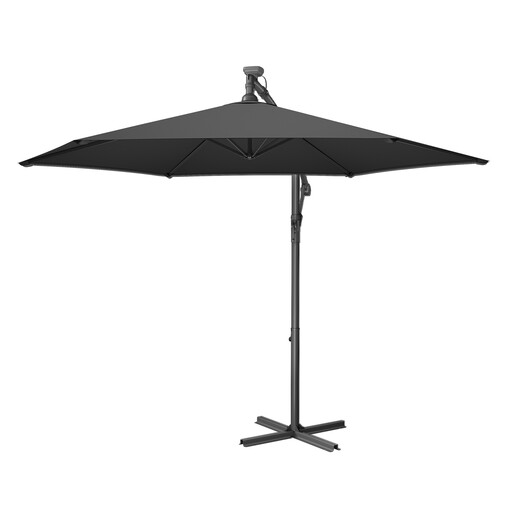
Why This Fits Their Persona: Ideal for anyone looking for a functional, all-in-one solution for the garden without a large budget. This model offers all the essential features for immediate use.
According to the manufacturer, the canopy offers UPF 50+ protection. The joints are metal-reinforced, which addresses the typical mechanical weak point. The included cross base requires weights but provides a solid foundation.
Solid Core Features: Provides a good foundation with a crank, tilt function, and 180 g/m? polyester fabric. High UV Protection: The UPF 50+ protection blocks up to 98% of UV rays.
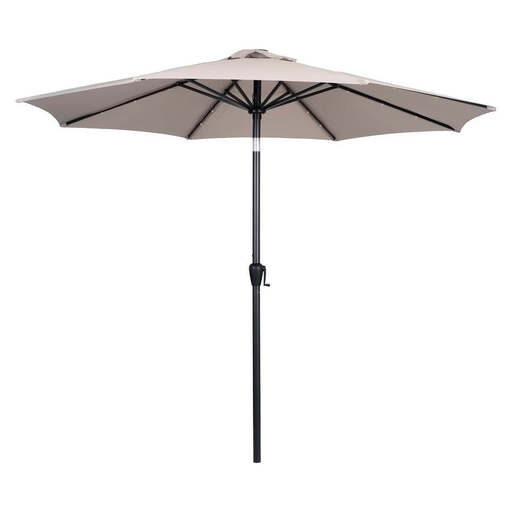
Why This Fits Their Persona: Perfect for users who want to use their patio parasol not just during the day, but also for ambient lighting in the evening. A modern feature for long summer nights.
This model combines a standard crank and tilt function with an aluminium pole (? 48 mm) for good stability. The fabric offers UV30 protection according to the manufacturer, which provides solid basic protection.
Integrated Solar LEDs: The lighting in the ribs creates a pleasant atmosphere in the evening without needing an external power source. Lightweight Aluminium Pole: The pole is robust yet easy to handle.
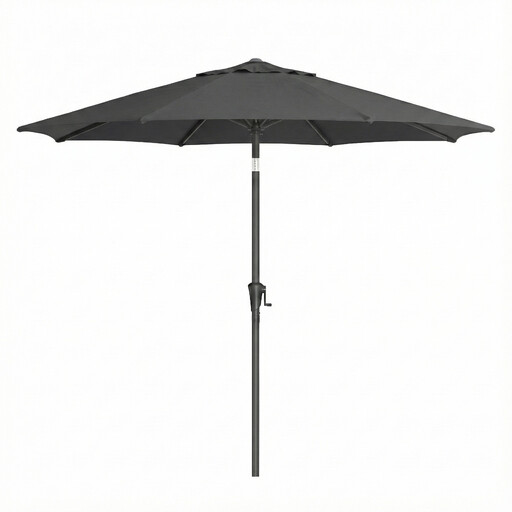
Why This Fits Their Persona: Suitable for users who need highly flexible shading for large areas like patios or pool decks and value simple yet robust adjustability.
The zinc alloy joint promises greater durability than simple plastic mechanisms. The UV-blocking fabric and powder-coated steel ribs provide protection and stability.
Dual-Direction Tilt: The parasol can be tilted in two directions, allowing for more precise alignment of the shade. Large Span: With a 3.3 m diameter (3.4 m arc), it also shades larger seating areas.
We have compiled a complete, up-to-date list of products that fully meet these strict selection criteria and safety requirements.
For a 3m cantilever parasol, most manufacturers recommend a minimum weight of 80 kg to ensure safe stability. In windy locations, more weight (up to 120 kg) may be necessary. Use suitable paving slabs (e.g., 4 slabs of 50x50 cm) or base elements that can be filled with sand/water.
No. Due to their large surface area, cantilever parasols should be closed as soon as the wind picks up or even in a light breeze. Never leave the parasol open unattended or overnight to prevent damage to the mechanism or tipping over.
UPF stands for "Ultraviolet Protection Factor" and is a rating for textiles. A fabric with UPF 50+ blocks at least 98% of harmful UVA and UVB rays. This is the highest available protection factor and offers significantly more reliable shielding than a fabric without certified protection.