
Lieferung heute & morgen

Qualitätsgarantie
App herunterladen
Kategorien
A 3x3 gazebo offers a square footprint of nine square metres, providing a functional solution for gardens and patios. The choice of the right model depends on specific requirements for materials, construction, and intended use. This article analyses the technical parameters of various gazebo types to provide a basis for an informed decision.
The decision for a 3x3 garden gazebo should be based on an analysis of its construction, material properties, and intended use.
The most fundamental distinction is between flexible and permanent structures.
The durability and functionality of a gazebo are largely determined by the materials used.
Roof Material:
Frame Material:
Making a gazebo weatherproof requires a stable construction and proper anchoring.
Based on technical specifications and practical utility, we present three models with different areas of focus.
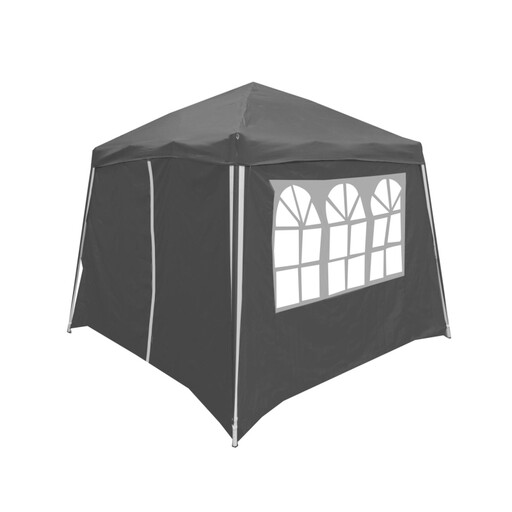
Why We Recommend This Product: This model combines high portability with well-thought-out material properties. Its low weight of 10.8 kg and folding mechanism make it an extremely flexible solution. The roof material meets key quality standards for outdoor use with its UPF50+ rating and high mould resistance. Compliance with the EN 13561:2015 safety standard for external sun-shading devices underscores its technical focus.
Pros:
Best For: Users looking for a lightweight, quick-to-assemble, and portable 3x3 pop-up gazebo for garden parties, markets, or as temporary sun protection.
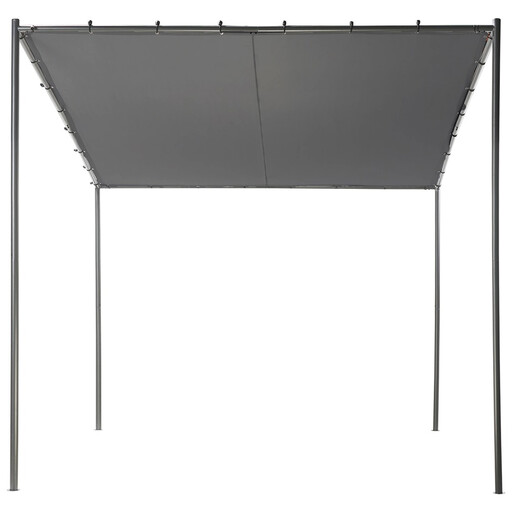
Why We Recommend This Product: This model is positioned as a stylish, semi-permanent solution. The powder-coated steel frame ensures high stability. With dimensions close to 3x3 metres and a modern design with an anthracite 3x3 gazebo look, it blends well into contemporary garden designs. The roof's high UV protection factor is another functional advantage.
Pros:
Best For: Garden owners looking for an aesthetically pleasing and stable cover for a patio or seating area that offers more permanence than a pop-up gazebo.
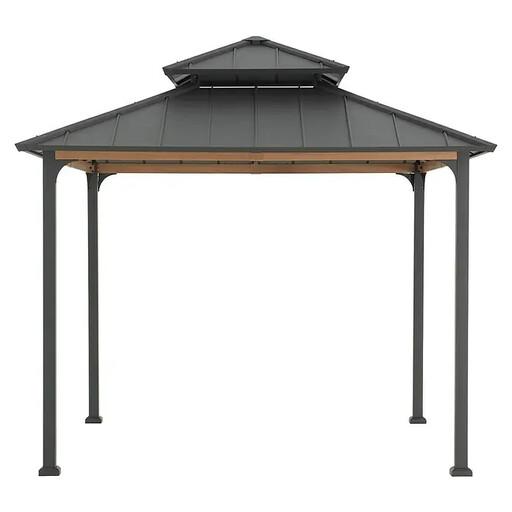
Why We Recommend This Product: This 3x3 hardtop gazebo is designed for maximum durability and year-round use. The steel roof and solid steel frame offer high resistance to wind (up to 50 MPH) and a considerable snow load (110 kg/m²). The vented 2-tier roof promotes air circulation and increases wind stability. The integrated curtain track system provides additional flexibility.
Pros:
Best For: Homeowners looking for a permanent, extremely durable, and weatherproof patio cover or a fixed garden retreat for all four seasons.
While a 3x3 gazebo is a versatile solution, special applications like grilling require specific features. For users who frequently barbecue outdoors and need a dedicated, fire-retardant, and well-ventilated shelter, a grill gazebo can be a more suitable alternative. These models often feature special shelves and smoke vents.
1. What is the difference between a pop-up gazebo and a hardtop gazebo? A pop-up gazebo is a mobile, lightweight structure with a fabric roof for temporary use. A hardtop gazebo is a heavy, stationary structure with a solid roof made of metal or plastic, designed for permanent, year-round use and capable of withstanding weather conditions like snow and high winds.
2. How do you secure a 3x3 gazebo to be storm-proof? Anchoring depends on the type. Hardtop gazebos must be securely bolted to a solid foundation (concrete, wooden deck) according to the manufacturer's instructions. Pop-up gazebos should be secured at all corners with the included pegs and guy ropes in windy conditions. If a storm or high winds are approaching, it is recommended to remove the fabric canopy from pop-up gazebos to prevent damage.
3. Is a gazebo with a polyester roof completely waterproof? The level of waterproofing depends on the quality of the coating (e.g., PU or PVC) and the seam construction. High-quality polyester roofs with sealed seams offer reliable protection in the rain. However, during continuous or heavy downpours, any fabric roof can eventually become saturated. For guaranteed, long-term rain protection, a hardtop model is the safer choice.