
Lieferung heute & morgen

Qualitätsgarantie

Willkommens-Angebote freischalten: KOSTENLOSE Lieferung | Bis zu 80 % RABATT | Kostenlose 30-Tage-JoyPlus-Testphase
App herunterladen
If you’re looking to buy 4-in-1 products online, you’re probably after a space-saving solution with multiple functions. You want one device or household item to handle several tasks, without needing four separate products. But this is exactly where many purchases go wrong: the label “4-in-1” doesn’t automatically mean you’ll get equal value from all four uses.
A product might claim to cover four areas on paper, but in practice some functions may only be of limited use. With a cordless vacuum cleaner, it’s not just the number of attachments that matters – battery life, filter maintenance and weight are just as important. For kitchen gadgets, motor power, container sizes and how easy the accessories are to clean are key.
Check before you buy:
Statements like “stronger”, “fresher for longer” or “up to” are hard to judge without a point of comparison. With the Syoss 4in1 Keratin Boost Hair Mask, the claim “up to 20 times stronger” refers, according to the manufacturer, to a comparison with untreated hair. That’s not a general statement about every hair type.
The same goes for beauty devices – you should read advertising claims with a critical eye. The GESKE Sonic Facial and Body Roller 4 in 1 is described as having more than 14,000 sonic pulses per minute. This technical specification describes how it works, but it’s not a medical or therapeutic promise.
A low purchase price can be offset by consumables, replacement filters, specialist cleaning products or high energy consumption. With a compact dishwasher, for example, you need to consider water hardness, dishwasher salt and suitable detergent pods. A portable air conditioner, on the other hand, needs space for the exhaust hose and sufficient clearance from the wall.
Before you order, compare the contents of the box, consumables, warranty terms and dimensions.
“4-in-1” can mean different things depending on the product category. With a portable air conditioner, the focus is usually on cooling, dehumidifying, fan-only mode and heating. With the Leifheit 4-in-1 Window and Frame Wiper, the functions cover washing, frame cleaning, squeegeeing and angle adjustment.
Look for concrete values:
For reusable products, the material and how you care for it affect how long it lasts. A washable filter in a vacuum cleaner should be completely dry before you put it back in. A microfibre cover for a window cleaner should be washed according to the manufacturer’s instructions. With beauty devices, cleaning after every use is essential; electronic devices must not come into contact with water while charging.
For consumables, it’s the ingredients and warning labels that matter. Washing detergent pods can cause skin and eye damage and must be kept out of reach of children. A toilet cleaner should only be used as directed on the label and can be harmful to aquatic life.
Technical products should come with clear safety information, manufacturer instructions and, where applicable, a CE mark. For electrical appliances, pay attention to mains voltage, charging port and the environment in which they’re used.
For personal care and hygiene:
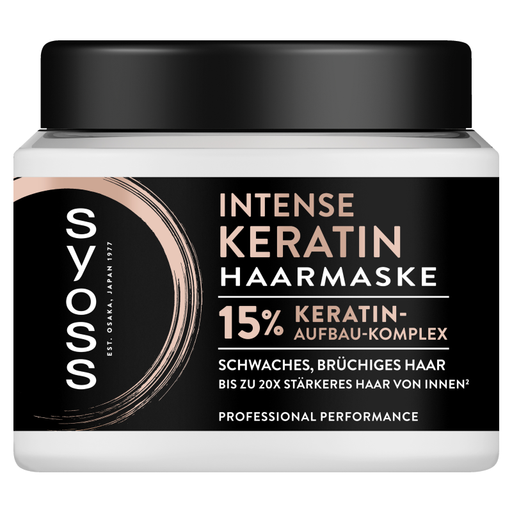
Why this product fits the profile: This hair mask is ideal for anyone looking for a compact addition to their regular hair care routine. According to the manufacturer, it’s applied for two to three minutes after washing.
The instructions for use are clearly described and the ingredient list is available. According to the manufacturer, the packaging is made from 50% recycled plastic, excluding the lid and label.
15% keratin repair complex according to the product information; use once or twice a week.
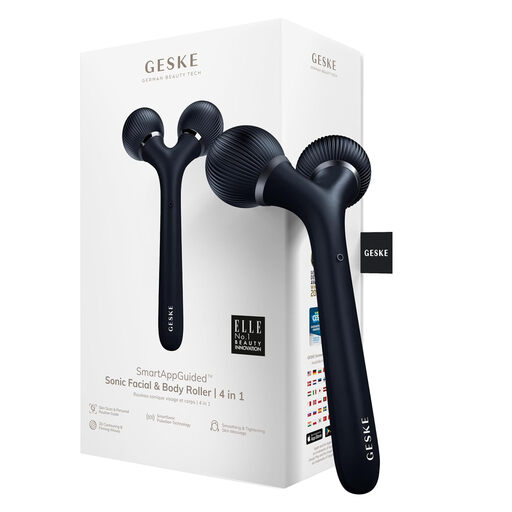
Why this product fits the profile: This beauty device combines face and body use with app-guided routines. It’s suitable for users who want to manage functions and care instructions digitally.
The product description includes charging accessories, app usage and specific application instructions. The device must not be used on broken or irritated skin.
More than 14,000 sonic pulses per minute according to the product information; magnetic charging cable and app connectivity.
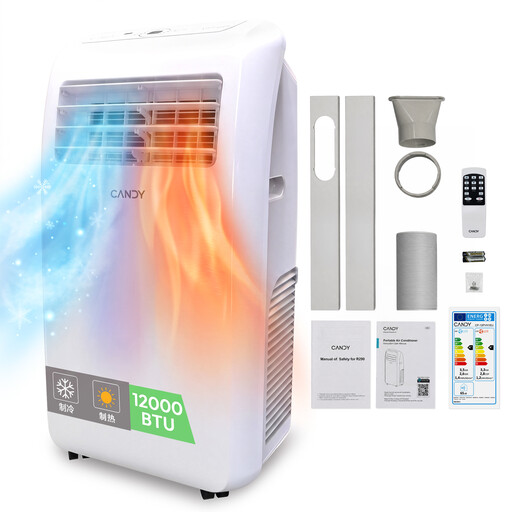
Why this product fits the profile: For rooms with changing needs, you have cooling, dehumidifying, fan-only mode and heating available. The stated room size for cooling is up to 35 m².
The product data lists dimensions of 42.8 × 38.3 × 74.2 cm, a weight of 29 kg and a required air clearance of 51 cm. This means you can realistically check the space needed before buying.
12,000 BTU, energy efficiency class A+ according to the product information; window kit and 24-hour timer included.

Why this product fits the profile: This manual window cleaner doesn’t need electricity and covers several cleaning steps with one tool. It’s ideal for homes with lots of glass and limited storage space.
The functions are clearly described: clean frames, wash glass panes, squeegee and adjust the working angle. The cover is machine washable at 40 °C.
32 cm wide silicone squeegee blade; three adjustable angles and compatibility with the Leifheit Click System.
We’ve put together a full, regularly updated list of products that fully meet these strict selection criteria and the safety regulations in force in the EU.
That depends on how you use them. If you regularly use several functions, you can save on space and purchase costs. If you only use one or two functions, a specialist single product might be the better choice. So compare the price, consumables, warranty and how often you expect to use it.
The key things are robust materials, available spare parts, washable filters or covers, and clear care instructions. For devices with a battery, also check the charging time, runtime and whether the battery can be replaced. Regular cleaning prevents dust, moisture or residue from affecting performance.
For electrical appliances, costs come from energy consumption, charging cycles and possibly filters. A portable air conditioner can use significantly more energy over longer periods than a manual window cleaner. Consumables like keratin hair mask, toilet cleaner, washing detergent pods or hygiene products should be compared by pack size, frequency of use and ingredients. What matters isn’t just the unit price, but the cost per use.