
Lieferung heute & morgen

Qualitätsgarantie

Willkommens-Angebote freischalten: KOSTENLOSE Lieferung | Bis zu 80 % RABATT | Kostenlose 30-Tage-JoyPlus-Testphase
App herunterladen
A 4-litre rice cooker is primarily intended for households of 3–4 people who want to prepare rice, porridge, soups and other dishes with minimal supervision. However, the litre capacity alone does not indicate how well a model will fit into your daily routine. Operating functions, the inner pot material, cleaning, accessories and the safe handling of hot steam are all important considerations.
Four litres generally refers to the capacity of the container, not automatically the amount of fully cooked rice it can produce. Depending on the model, the markings inside the pot provide the relevant guidance. If you are looking for a rice cooker for 3–4 people, you should therefore check the maximum rice and water quantities stated in the product description and instruction manual.
A pot that is filled too far can boil over when cooking rice, porridge or soup. For everyday use, it is sensible not to work permanently up to the maximum marking.
A multifunctional rice cooker may offer programmes for white rice, quick cooking, porridge, soup or other dishes. What matters is whether these functions suit your usual meal plan. If you mainly prepare rice, you may need fewer programmes than a household that regularly cooks porridge, soups or steamed side dishes.
Terms such as “quick” or “intelligent” should therefore be checked against specific details: Is there a quick-cook function? Can you set a start time? Does the appliance switch to keep-warm mode afterwards?
A non-stick coating can reduce rice sticking to the pot and make cleaning easier. However, it does not replace careful maintenance. The inner pot should not be cleaned with abrasive sponges or metal utensils. You should also check whether the lid, seals and steam outlet can be removed and are easy to access.
A steaming tray is only practical if it can be removed and cleaned easily after use.
A model with a 4-litre capacity generally provides enough room for a household of 3–4 people. Its actual suitability depends on portion sizes and the programmes used. With the 860-watt rice cooker, the power rating is clearly stated. This indicates the appliance’s electrical energy consumption during operation, but on its own says nothing about cooking time or the quality of the results.
For running costs, it is also relevant how long the appliance is used and how long the keep-warm function remains active. Keeping food warm for longer consumes additional electricity.
A rice cooker with a keep-warm function can maintain cooked rice at a set temperature after the cooking process. This is useful if everyone is not eating at the same time. Even so, the keep-warm period should not be extended unnecessarily. Follow the manufacturer’s guidance on taste and food safety.
A rice cooker with a timer, or delayed-start function, allows you to schedule when cooking begins. Perishable ingredients should not be left unrefrigerated in the pot for long periods. The function should be assessed differently for rice and water than for milk, vegetables or other fresh ingredients.
According to the product description, a thickened inner pot can help distribute heat more evenly. It remains essential that the pot is positioned correctly in the appliance and is only used with the utensils provided or recommended.
A rice cooker with a steaming tray expands its uses to include steamed vegetables and other side dishes. Hot steam escapes through the valve during operation. Keep your face and hands at a safe distance, and never cover the steam outlet with a cloth or other objects. Unplug the appliance before cleaning. The inner pot must not be placed on a gas hob or another external heat source.
The following cards categorise the products provided according to their intended use. Only the first product is a rice cooker. The other two items are for storage and are therefore not alternatives for preparing rice.

Why this product suits the profile: The appliance combines a 4-litre capacity with a stated power rating of 860 watts and, according to the product information, is designed for households of 3–4 people.
The capacity, power rating and intended number of users are clearly stated. The product information also mentions a delayed-start timer, a keep-warm function and a non-stick coating.
Several cooking modes for rice, porridge and soup; a thick inner pot, steaming tray and rice spoon included according to the product description.
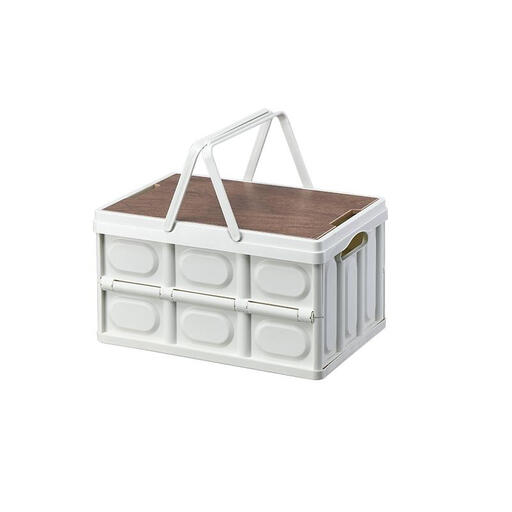
Why this product suits the profile: This product is not a rice cooker, but a foldable storage solution for the home, car or picnics.
Its clearly stated purpose prevents it from being confused with a kitchen appliance. This item is not intended for preparing food or handling heat.
PP and MDF construction, a removable wooden lid and a capacity of approximately 30 litres according to the product information.
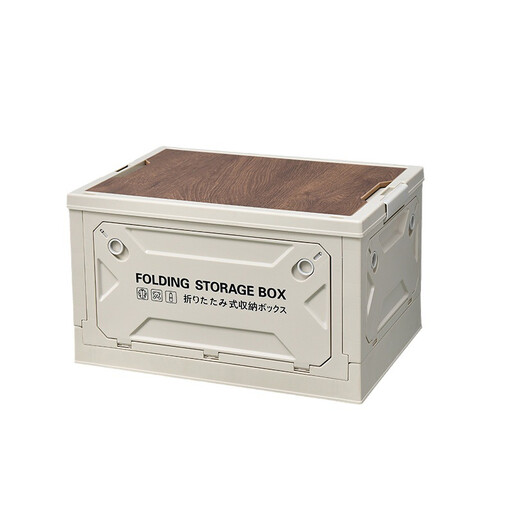
Why this product suits the profile: As an additional storage box, this item is suitable for picnic accessories or kitchen equipment, but not as a rice cooker.
The product type, dimensions and materials are described clearly. There is no misleading association with an electric cooking appliance.
Foldable design, carry handle and removable MDF lid, which can also be used as a simple surface according to the description.
We have put together a complete, regularly updated list of products that fully meet these strict selection criteria and the safety regulations applicable in the EU.
Before ordering a 4-litre rice cooker, buyers should check the following:
An appliance of this size is often marketed for 3–4 people. However, the exact portion quantity depends on the type of rice, the rice-to-water ratio and the markings inside the pot. For reliable results, observe the maximum fill level stated in the instruction manual.
A timer is useful if you want the cooking process to start at a particular time. However, fresh or perishable ingredients should not remain unrefrigerated in the appliance for long. Scheduling is easier for rice and water than for milk-based dishes or ingredients with a short shelf life.
This depends on the individual model and the manufacturer’s guidance. The keep-warm function is intended for a limited period and is not a substitute for chilled storage. If you plan to eat the rice considerably later, follow the recommended guidance for storage and reheating.