
Lieferung heute & morgen

Qualitätsgarantie

Willkommens-Angebote freischalten: KOSTENLOSE Lieferung | Bis zu 80 % RABATT | Kostenlose 30-Tage-JoyPlus-Testphase
App herunterladen
A 4-season duvet should adapt flexibly to different room temperatures. In practice, however, buyers often end up with the wrong product because filling weights are unclear, the dimensions are unsuitable or quality claims are hard to verify. So if you’re looking for a down duvet, feather duvet or washable all-season duvet, don’t focus solely on the price and product name.
An all-season duvet can be a practical choice for many households. But whether it feels light and comfortable in summer and warm enough in winter depends on the filling material, filling weight, construction and room temperature. A single duvet isn’t automatically a substitute for having both a summer and a winter duvet.
For warm bedrooms, a lightweight summer duvet with a low fill weight may be a better choice. In rooms that are difficult to heat, or if you tend to feel the cold, consider a thicker winter duvet or a two-part system instead.
The standard 155x220 cm duvet suits many single beds and taller people. On a double bed, it will generally only cover one person. A 220x240 cm duvet offers more width and could be a suitable option for couples or wider mattresses.
Be sure to check that the dimensions of your duvet, duvet cover and washing machine are compatible. An oversized duvet can be difficult to wash in a standard domestic washing machine.
Terms such as ‘natural’, ‘hypoallergenic’ or ‘breathable’ don’t automatically refer to a consistent standard. What matters is which component has been certified and whether the claim refers to a brand, a product test or general marketing copy.
When choosing a down or feather duvet, consider the filling composition, cover material, care instructions and any certificates together. An OEKO-TEX duvet, for example, refers to the specific product component that has been tested, and this should be clearly stated in the product information.
Down is particularly lightweight and traps plenty of air. Feathers have a higher proportion of quills, so depending on the construction, they can feel a little more structured. A feather and down blend can combine the different qualities of both.
Look out for:
A breathable duvet shouldn’t trap unnecessary heat and moisture. How well it performs in everyday use also depends on the cover, your bedding and the room temperature.
A closely woven cotton cover can help prevent the filling from escaping. For people with sensitive skin or concerns about allergies, a washable duvet, a closely woven cover and clear material information are particularly important.
The term ‘allergy-friendly duvet’ shouldn’t be taken as a medical guarantee. Check whether the model can be washed at the recommended temperature, how it should be dried and whether the manufacturer gives specific advice about dust mites or chemical testing.
Read the care label before you buy. Down and feather fillings often require specific washing and drying instructions. A duvet being washable doesn’t necessarily mean it will fit in your washing machine.
It’s a good idea to:
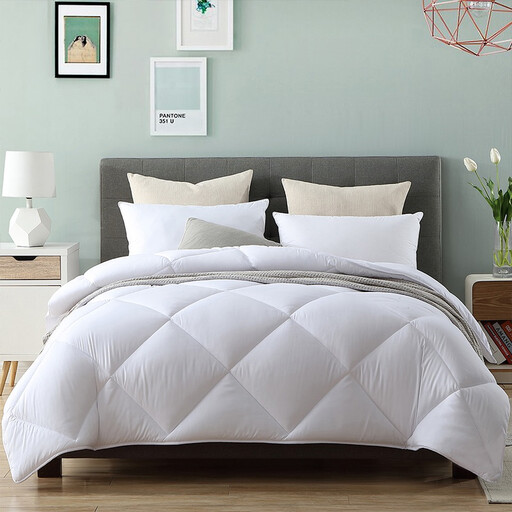
Why it suits this shopper: Measuring 220 × 230 cm, it’s designed for larger double beds. The product name highlights all-year-round use and washability, making it appealing if you’re looking for a straightforward option.
The dimensions are clearly stated, and the product description specifically identifies it as washable and suitable for year-round use, rather than relying on a vague promise of comfort.
Stated dimensions of 220 × 230 cm; described as breathable and washable, and designed for use across several seasons.

Why it suits this shopper: This model is aimed at anyone looking for a lightweight 155 × 220 cm summer duvet, with clear details about its filling and certification.
The product details state a fill weight of 200 GSM and a filling of 90% feathers and 10% down. OEKO-TEX, RDS and Downpass are also mentioned; check the scope of the certificates before buying.
Dimensions: 155 × 220 cm; stated fill weight of 200 GSM; described in the product details as OEKO-TEX and RDS certified.
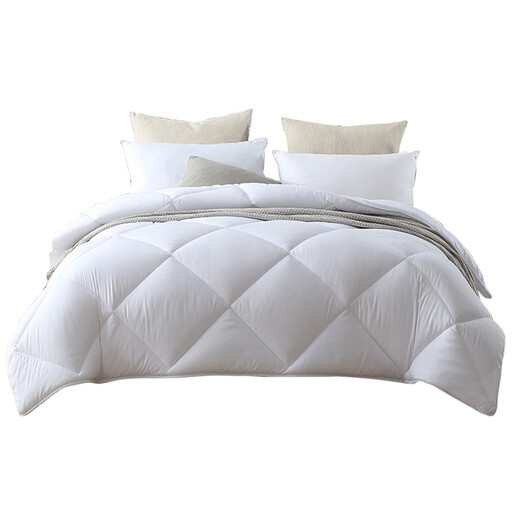
Why it suits this shopper: At 220 × 260 cm, this duvet is suited to wide double beds and anyone who needs plenty of coverage. Its stated washability may be useful if you use it frequently.
Its unusually wide dimensions are clearly stated, so you can check in advance that your duvet cover, bed frame and washing facilities are suitable for this size.
Dimensions: 220 × 260 cm; described in the product name as breathable, washable and suitable for year-round use.
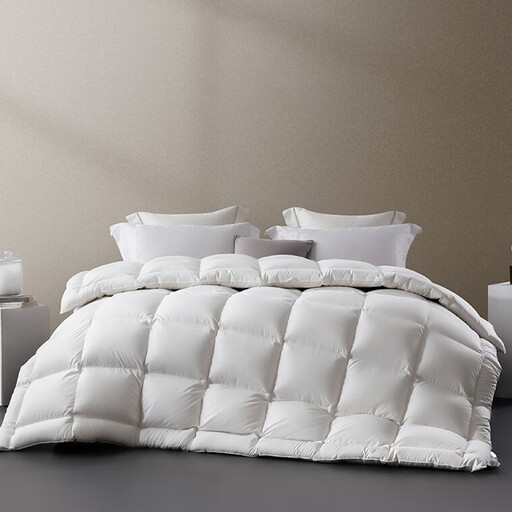
Why it suits this shopper: The product name describes a thick, extra-warm duck feather and down duvet for cold nights. Its 135 × 200 cm dimensions suit many single beds.
It’s clearly identified as a winter duvet, making it easier to distinguish from a lightweight summer duvet or a general all-season option.
Stated duck feather and down filling; thick construction; 135 × 200 cm dimensions for single beds.
We’ve put together a comprehensive, regularly updated list of products that meet these strict selection criteria and fully comply with the safety regulations in force in the EU.
It depends on the width of your mattress and your personal sleeping habits. 155x220 cm is a commonly used size for one person. For two people, 220x240 cm or a similar oversized duvet may be a better choice. The key is to make sure the duvet cover fits the duvet exactly.
Its lifespan depends on the filling, construction, use and care. Regular airing, a suitable cover and following the washing instructions can help it last longer. If the filling starts to clump, there’s a persistent smell, the seams are damaged or the filling is no longer evenly distributed, the duvet should be checked.
There’s no one-size-fits-all answer. A duvet that can be combined with another may reduce the cost and storage space needed. At the same time, cleaning, drying and a higher upfront price may be factors to consider. So compare more than just the purchase price: take account of care requirements, washability, dimensions and how much warmth your bedroom actually needs.