
Lieferung heute & morgen

Qualitätsgarantie

Willkommens-Angebote freischalten: KOSTENLOSE Lieferung | Bis zu 80 % RABATT | Kostenlose 30-Tage-JoyPlus-Testphase
App herunterladen
For many outdoor enthusiasts, a 40L trekking backpack is the top choice for weekend trips or short hut-to-hut tours. The challenge is finding a model that offers enough storage space without becoming a burden on longer treks. An ill-fitting backpack can quickly turn an otherwise beautiful tour into an uncomfortable ordeal. This article serves as your guide. It explains the most important criteria for selecting the right backpack and presents a selection of models for various applications.
Choosing the right backpack depends on several factors. It's not just the volume; the construction and materials are also crucial for comfort and functionality on the trail.
The most important feature of a good trekking backpack is its suspension system. A hiking backpack with a frame, usually made of lightweight aluminium, transfers the majority of the weight from your shoulders to your hips. This is essential for preventing fatigue and pain on long-distance hikes.
Pay attention to the following components:
A lightweight trekking backpack doesn't have to be less durable. Modern materials like high-tenacity polyester or ripstop nylon offer high abrasion and tear resistance at a low pack weight. A water-repellent coating or an integrated rain cover protects the contents from moisture.
A breathable hiking backpack is particularly advantageous during strenuous climbs or in warm weather. Ventilation systems with mesh back panels or special air channels in the back padding ensure that air can circulate, keeping your back drier.
A volume of 40 litres is generally sufficient for tours of two to three days. However, a thoughtful compartment layout is crucial. A main compartment for clothing and larger gear, a separate bottom compartment for a sleeping bag, and various external and lid pockets make organisation easier. This gives you quick access to your map, snacks, or rain jacket without having to unpack the entire camping backpack.
Based on the criteria mentioned, we have compiled a selection of backpacks suitable for different outdoor activities.
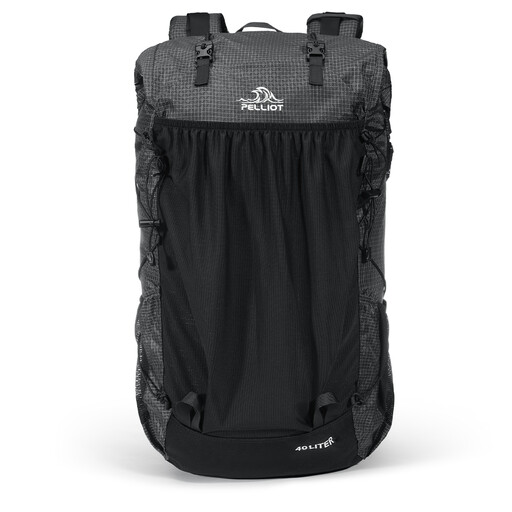
Why it stands out: This model is specifically designed for multi-day hikes where comfort under load is a priority. The integrated aluminium frame and scientific load distribution system effectively transfer weight to the hips, providing noticeable relief for the shoulders and back.
Advantages:
Who is it for? This backpack is a suitable choice for hikers and trekking enthusiasts looking for a reliable backpack for multi-day tours who value an advanced suspension system for managing heavier loads.
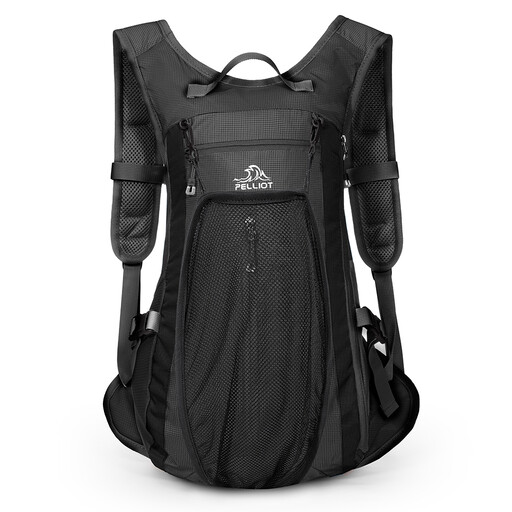
Why it stands out: With its focus on minimal weight and a snug, stable fit, this model is designed for fast-paced activities. The S.L.F. (Stable, Lightweight, Fast-access) design is engineered for freedom of movement.
Advantages:
Who is it for? Ideal for athletes seeking an extremely lightweight trekking backpack for fast day hikes, trail running, or mountain biking, where every gram counts and a 20-litre capacity is sufficient.
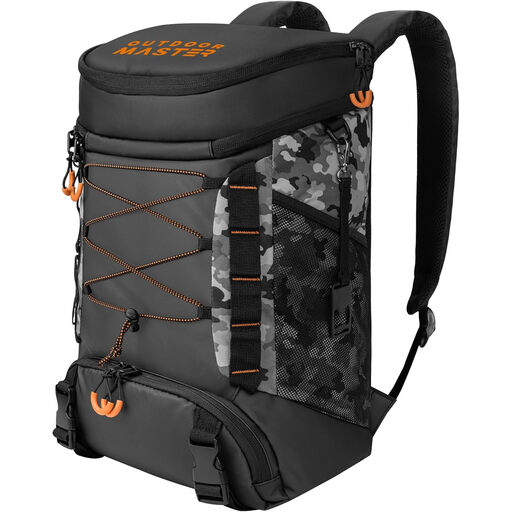
Why it stands out: This backpack's main function is cooling. The foam insulation and leakproof PEVA liner keep drinks and food cool for hours.
Advantages:
Who is it for? This backpack is an excellent choice as a camping backpack for the base camp, for picnics, beach trips, or for hikes where transporting chilled provisions is the main goal.
A well-organised backpack is crucial not only for hiking but also for everyday life. If you are looking for a durable model for daily use, university, or school, you can find more options with well-designed suspension systems in our High School Backpack category.
A proven method is to place heavy items (e.g., tent, cookware) close to your back and at mid-height. Lightweight but bulky gear, like a sleeping bag, belongs in the bottom compartment. Items you need frequently (rain jacket, map, snacks) should be stored in the lid pocket or external pockets.
Yes, for most two to three-day tours in temperate climates, a 40L hiking backpack is a very good size. This requires efficient and minimalist packing. For winter tours or if you need a lot of gear, a larger volume might be necessary.
Models for women typically have a shorter torso length, as women on average have a shorter torso. The shoulder straps are often S-shaped to avoid pressure in the chest area. Additionally, the angle of the hip fins is adapted to the typically wider female hips to ensure better load transfer.