
Lieferung heute & morgen

Qualitätsgarantie

Willkommens-Angebote freischalten: KOSTENLOSE Lieferung | Bis zu 80 % RABATT | Kostenlose 30-Tage-JoyPlus-Testphase
App herunterladen
The search for a new TV for gaming and home cinema can quickly become overwhelming. Manufacturers advertise with a barrage of technical jargon, but not all of it delivers on its promises. Particularly when it comes to 144Hz refresh rates and gaming features, there are pitfalls that can lead to a poor investment. This guide will help you identify the crucial features and make an informed decision.
As a Joybuy Product Recommendation Officer, my job is to filter market information and provide you with objective, practical advice so you can separate the wheat from the chaff.
Before we dive into the important specifications, let's look at two common marketing traps that often lead to disappointment:
To avoid the pitfalls mentioned above, you should carefully examine three core technical areas. These define the performance of a modern TV for demanding applications.
The choice of screen technology has the biggest impact on picture quality. The two leading technologies are Mini LED and OLED.
For gamers, a high and variable refresh rate (VRR) is a must-have.
Connectivity determines how flexibly you can design your setup.
Here are some models tailored to different user profiles that meet the criteria mentioned above.
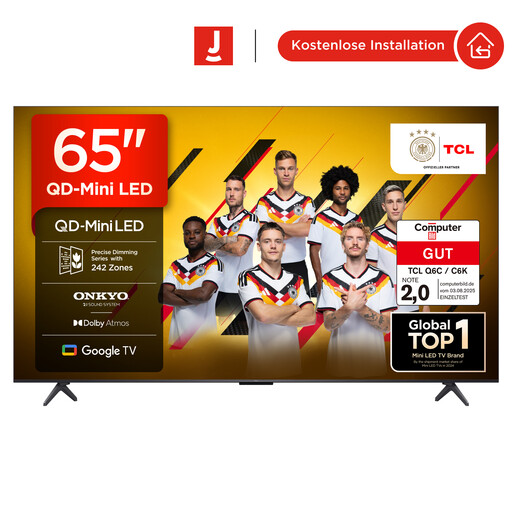
Why This Fits Their Persona: This model is aimed at gamers who want high performance for PC and console without spending the budget for an absolute top-tier model. It combines modern gaming features with solid picture technology.
Features a native 144Hz panel and four HDMI 2.1 ports, allowing multiple consoles and a PC to be connected without compromise.
Comprehensive gaming features with AMD FreeSync Premium Pro and a Game Master mode for low latency. The QD-Mini LED technology provides high brightness for HDR gaming.
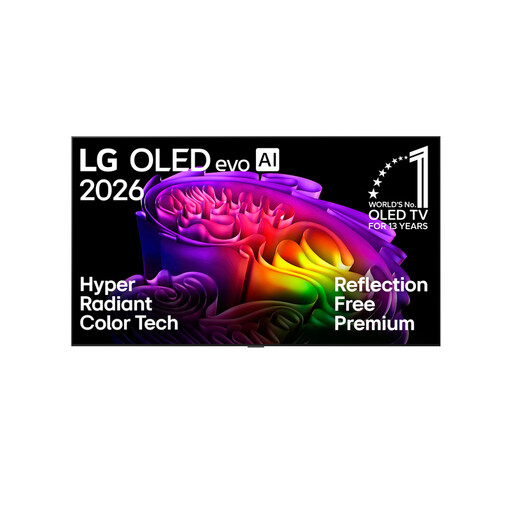
Why This Fits Their Persona: Ideal for users who refuse to compromise on picture quality for both gaming and home cinema. The OLED technology delivers reference-level contrast and colour accuracy.
Offers a native 165Hz panel and four HDMI 2.1 ports. The OLED technology guarantees pixel-perfect response times without software tricks.
Perfect blacks and infinite contrast thanks to self-lit pixels. Comprehensive support for NVIDIA G-Sync and AMD FreeSync Premium.
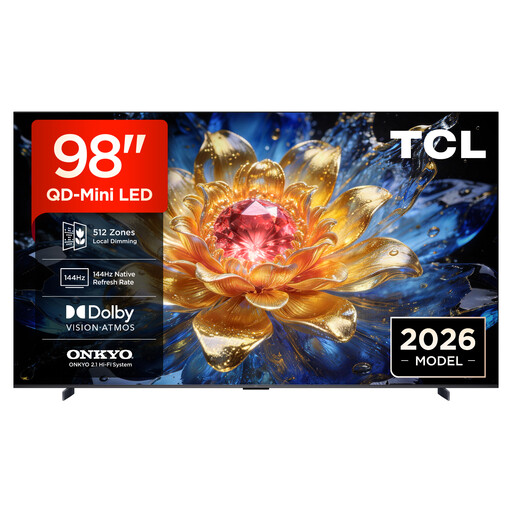
Why This Fits Their Persona: For anyone who wants to create an immersive cinema experience in their own home. The enormous 98-inch screen size, comparable to an 85-inch TV and larger, turns movies and games into an event.
Combines a native 144Hz refresh rate with precise local dimming across 512 zones to reduce halo effects and deliver crisp contrast.
The QD-Mini LED technology ensures high peak brightness that impresses even in bright living rooms. The AiPQ Pro Processor optimises the picture in real-time.
We have compiled a complete, real-time updated list of products that fully meet these strict selection criteria and German safety regulations.
1. Do I really need a 144Hz TV for my PS5 or Xbox Series X? Current consoles target a maximum output of 4K at 120Hz. Therefore, a TV with native 120Hz support is perfectly sufficient for console gamers. However, a 144Hz model offers a degree of future-proofing, especially if you also plan to connect a gaming PC that can output these higher frame rates.
2. What is the difference between Mini LED and OLED for gaming? In summary: OLED offers unparalleled contrast with its perfect blacks and extremely fast pixel response times, making it ideal for dark environments. Mini LED excels with significantly higher peak brightness, which makes HDR content more impressive and is advantageous in bright rooms. Additionally, there is no risk of burn-in with Mini LED devices.
3. How many HDMI 2.1 ports are practical for a gaming TV? To be future-proof, at least two full-bandwidth HDMI 2.1 ports are recommended. This allows you to connect a PS5 and an Xbox Series X simultaneously without swapping cables. If you also use a PC or a soundbar with eARC, four ports are the most convenient solution.