
Lieferung heute & morgen

Qualitätsgarantie
App herunterladen
Kategorien
Selecting a 4K camera drone requires an analysis of technical specifications to find a model that aligns with individual requirements for image quality, portability, and legal frameworks. Parameters such as sensor size, weight class, and flight time are decisive factors that define a device's performance and practical utility. This article highlights the essential criteria and presents a selection of models with different technical focuses.
The decision to purchase a camera drone should be based on an objective evaluation of its core features. The following technical aspects are of paramount importance for performance and application scope.
The 4K designation refers to a video resolution of approximately 4,000 horizontal pixels (typically 3840 x 2160 pixels). This high resolution enables highly detailed footage. At least as relevant is the physical size of the image sensor. A larger sensor, such as a 1/1.3-inch CMOS sensor, can capture more light. This generally results in better image quality, especially in sub-optimal lighting conditions, and a greater dynamic range.
In the European Union, different regulatory requirements apply to drones, primarily based on their take-off weight. Models weighing under 250 grams fall into the C0 category. Operating these devices typically does not require a large EU drone license (A2 Certificate of Competency). This significantly simplifies their use, particularly for travel and spontaneous flights. However, operator registration with the national aviation authority (e.g., the Luftfahrt-Bundesamt in Germany) and attaching the e-ID to the drone are still mandatory in this class.
A drone with long flight time is a common search criterion. The maximum flight time specified by manufacturers is measured under laboratory conditions without wind. In practice, the effective flight time is usually 15–25% lower. A flight time of over 30 minutes per battery is considered a solid benchmark. For longer projects or recording sessions, models with interchangeable batteries or bundles containing multiple batteries are a practical option.
For smooth, shake-free video footage, a mechanical stabilisation system, known as a gimbal, is essential. A 3-axis gimbal compensates for the drone's pitch, roll, and yaw movements in real time. This is a key technical differentiator from cheaper models, which often rely solely on electronic image stabilisation (EIS), a method that can degrade image quality by digitally cropping the frame.
A foldable drone offers significant advantages in terms of transport and storage. Collapsible arms drastically reduce the packed size, making such models ideal for hobby photographers and content creators who are frequently on the move. A mini drone often combines foldability with the lightweight sub-250-gram class, representing an exceptionally travel-friendly solution.
Based on the technical criteria mentioned above, we have compiled a selection of drone models that cater to different user profiles.
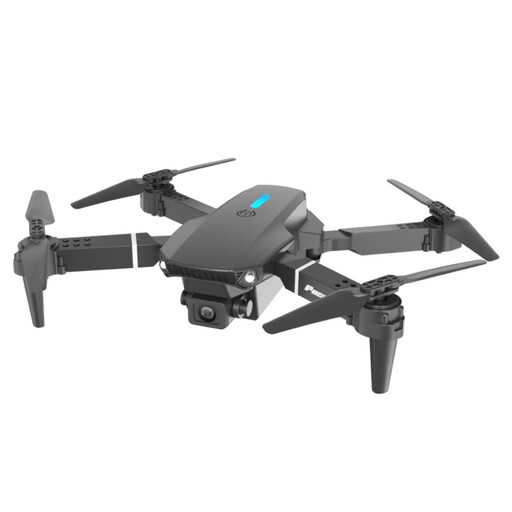
Why we analysed this product: This model is positioned as an entry-level device for individuals looking to gain their first experience in drone piloting. The focus is on basic flight functions and a very accessible price point.
Advantages:
Who it's for: This model is aimed at absolute beginners and children (under adult supervision) who want to learn the basic controls of a drone on a small budget, without a focus on professional image quality.
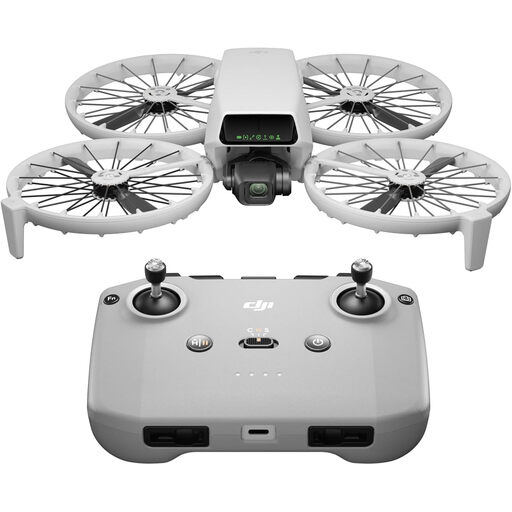
Why we analysed this product: The DJI Flip combines high-end camera equipment with the advantageous sub-249-gram weight class. It represents a balanced solution for discerning hobbyists.
Advantages:
Who it's for: This DJI drone is recommended for tech-savvy beginners, hobby photographers, and content creators seeking a compact, travel-friendly, and powerful drone for beginners and advanced users who do not want to compromise on image quality.
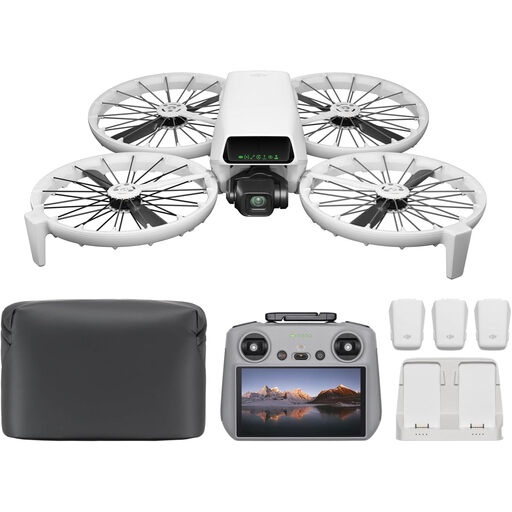
Why we analysed this product: The Fly More Combo enhances the DJI Flip with accessories that significantly increase its operational readiness and user convenience. It is designed for users who want to maximise the drone's potential.
Advantages:
Who it's for: This package is designed for ambitious users who plan longer recording projects, travel frequently, and value a seamless workflow. The investment in the combo is a smart economic choice for anyone who would otherwise consider purchasing extra batteries and a better remote controller.
If the models presented here do not exactly match your requirements, the market offers a wide range of alternatives with different specifications. You can find an overview of other models in our Automatic Camera category.
1. Do I need a license for a drone under 250g in the EU? No, for operating drones in the C0 class (under 250 g take-off weight) in the EU, neither an EU Certificate of Competency ("small drone license") nor a Remote Pilot Certificate ("large drone license") is required. However, a one-time online registration as an operator with the national aviation authority (e.g., the LBA in Germany) is legally mandated.
2. What does 4K mean for a camera drone? 4K refers to the video resolution. A 4K UHD (Ultra High Definition) resolution is 3840 x 2160 pixels. This allows for extremely high detail in footage, providing more flexibility in post-production (e.g., cropping the image) without a significant loss of quality.
3. How important is a gimbal on a drone? A mechanical gimbal, especially a 3-axis gimbal, is crucial for capturing high-quality, smooth video. It compensates for the movements and vibrations of the drone caused by wind or control inputs. Without a gimbal, video footage often appears shaky and unprofessional.