
Lieferung heute & morgen

Qualitätsgarantie

Willkommens-Angebote freischalten: KOSTENLOSE Lieferung | Bis zu 80 % RABATT | Kostenlose 30-Tage-JoyPlus-Testphase
App herunterladen
The search for a new 4K QLED TV can quickly become overwhelming. Manufacturers advertise with a flood of technical jargon and supposed innovations. But not every advertised feature actually leads to a better viewing experience. Often, costly pitfalls are hidden behind the marketing, only becoming apparent after the purchase.
As your Joybuy Product Recommendation Officer, I'll help you identify these pitfalls. We will focus on the objective criteria that are crucial for a high-quality picture and smooth operation, ensuring your investment pays off in the long run.
Before we dive into the important features, let's look at the typical marketing traps that often lead to disappointment:
To avoid a bad purchase, you should focus on three core parameters. These define the true performance of your future television.
QLED technology uses so-called Quantum Dots to deliver a wide colour spectrum and high brightness. However, the quality of the HDR experience depends on other factors.
For gamers, smooth images and low response times are essential. This is where premium models truly stand out.
A modern Smart TV experience depends on a fast and intuitive operating system.
Here are some models that represent a considered choice for different user profiles, based on objective features.
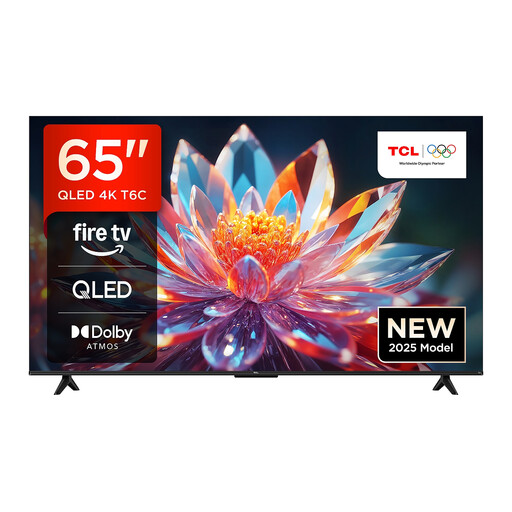
Why it's a great fit: This model offers a large 65-inch screen and QLED technology at an attractive price point. It's ideal for users who primarily watch films and series via streaming services and value a good picture without wanting to spend the budget on high-end gaming features.
It supports the dynamic formats Dolby Vision and HDR10+, which visibly enhances the HDR effect compared to basic HDR10 devices. The Fire TV operating system is an established platform, avoiding the frustration of an unreliable no-name system.
Good colour reproduction thanks to the QLED panel. Comprehensive smart TV functions with voice control via Alexa. Support for Dolby Atmos sound.
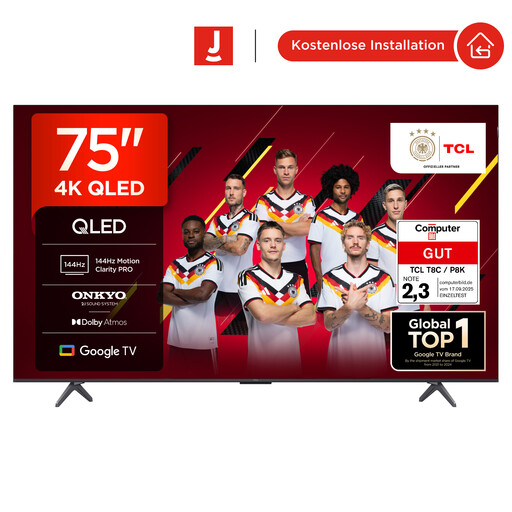
Why it's a great fit: This device is specifically engineered for gamers' needs. With a native 144Hz panel, HDMI 2.1, and AMD FreeSync, it offers all the technical prerequisites for a responsive and fluid gaming experience on PC and the latest consoles.
This model avoids the trap of misleading refresh rates by offering a true, native 144Hz frequency. The "Game Master" function and full HDMI 2.1 support ensure that the advertised gaming performance is delivered without compromise.
Extremely smooth motion handling. Low input lag through ALLM. Onkyo 2.1 sound system with an integrated subwoofer.
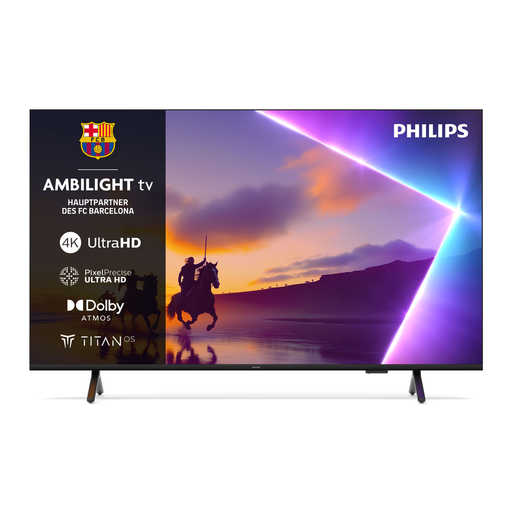
Why it's a great fit: For users to whom atmosphere is just as important as the picture itself. The Ambilight TV visually extends the viewing experience beyond the screen, creating an immersive environment. Combined with support for Dolby Vision and Dolby Atmos, it's an excellent choice for an atmospheric home cinema.
This model focuses on a clear, tangible added value instead of empty specs. Ambilight is a unique feature that makes a noticeable difference. The Titan OS is designed for fast and straightforward operation, thereby addressing the pitfall of sluggish user interfaces.
Unique, immersive viewing experience thanks to 3-sided Ambilight. Comprehensive HDR support including Dolby Vision. Compatible with Google Assistant and Alexa.
Choosing the right stand is just as important as choosing the TV itself. A stable and suitable stand ensures safety and optimal positioning in your living space.
1. How long does a 4K QLED TV last? The lifespan of a QLED panel is typically rated by manufacturers at 60,000 to 100,000 operating hours. With an average use of six hours per day, this corresponds to a theoretical lifespan of over 20 years. Image burn-in, which could occur with older technologies, is no longer a significant issue with QLED TVs.
2. What is the difference between QLED and OLED? The main difference lies in the lighting technology. QLED TVs use an LED backlight that shines through a layer of Quantum Dots to create colours. They achieve very high brightness, which is advantageous for bright rooms and HDR content. OLED TVs have self-emissive pixels that can be turned on and off individually. This allows for perfect blacks and extremely high contrast, albeit at a generally lower peak brightness.
3. Do I need special cables for a 4K TV with 144Hz? Yes, to take full advantage of 4K resolution at 120Hz or 144Hz, you need an Ultra High Speed HDMI cable. Only these cables are certified for the high bandwidth of 48 Gbps required for these signals. Older HDMI cables cannot handle the amount of data, which can lead to signal dropouts or reduced picture quality.