
Lieferung heute & morgen

Qualitätsgarantie
App herunterladen
Kategorien
Selecting a new television involves balancing technical specifications against individual user needs. A 4K Smart TV is now the standard for high-resolution home entertainment, but the differences between models lie in the details of their panel technology, image processing, and integrated software platforms. This guide analyses the key criteria and presents a selection of devices that cater to specific user profiles.
The decision for a particular model should be based on an objective evaluation of the following technical parameters.
Panel technology is the foundation of picture quality.
The refresh rate, measured in Hertz (Hz), indicates how many frames per second the display can render.
High Dynamic Range (HDR) enhances a picture's contrast range and colour vibrancy. The most important formats are:
The operating system determines the user interface, app availability, and integration capabilities.
Based on the criteria above, we have compiled a selection of models that stand out for their specific technical features.
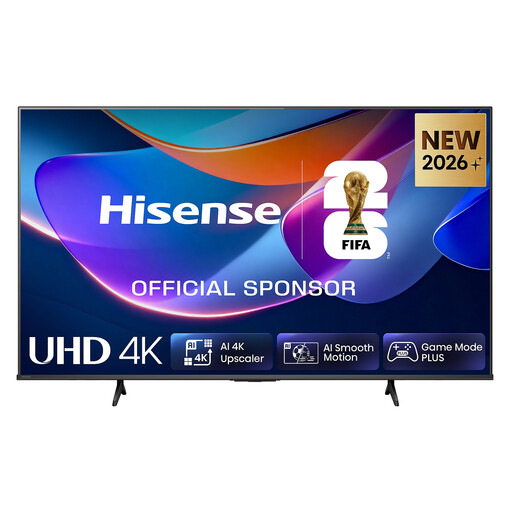
Why We Recommend This Product: The Hisense 55A6S is a well-equipped 55-inch TV that provides a solid foundation for the 4K home cinema experience. The combination of Dolby Vision for dynamic HDR and the AI 4K Upscaler for enhancing lower-resolution content ensures consistently good picture quality. The VIDAA operating system allows for fast and intuitive operation, while specialised modes like Game Mode Plus and AI Sports Mode optimise the viewing experience for specific use cases.
Pros:
Who It's For: Users looking for a reliable all-rounder with modern smart features and good picture quality for films, series, and occasional gaming at an attractive price point.
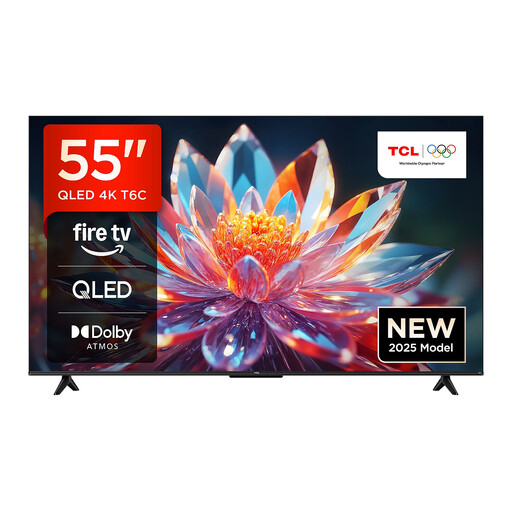
Why We Recommend This Product: The TCL 55T6C combines the advantages of QLED technology with the seamless integration of Fire TV. According to the manufacturer, the panel covers 97% of the DCI-P3 colour space, resulting in exceptionally vibrant and accurate colours. Support for both Dolby Vision and HDR10+ ensures that HDR content is displayed optimally. Furthermore, Dolby Atmos provides an immersive sound experience that acoustically complements the visual presentation.
Pros:
Who It's For: Users who are deeply integrated into the Amazon ecosystem and value high colour vibrancy and comprehensive HDR support for streaming services.
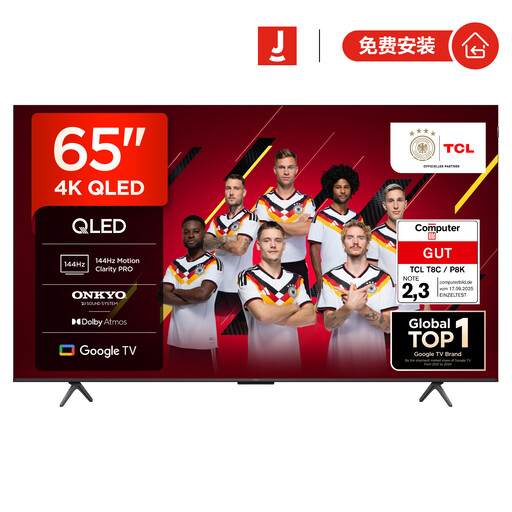
Why We Recommend This Product: This model is designed as a high-performance gaming TV. The TCL 65T8C offers a native 144Hz display with Motion Clarity Pro, making it ideal for fast-paced video games and sports broadcasts. Features like HDMI 2.1, ALLM (Auto Low Latency Mode), and AMD FreeSync ensure a responsive and tear-free gaming experience. The integrated Onkyo 2.1 sound system with a subwoofer delivers powerful audio, while Google TV provides an intuitive and content-rich smart TV platform.
Pros:
Who It's For: Discerning gamers and home cinema enthusiasts who require a large screen with maximum motion clarity, low latency, and a powerful integrated sound system.
The models presented cover specific user profiles. If your requirements differ from these, a wider selection of devices with various sizes, technologies, and feature sets is available. Explore more options in our Televisions category.
1. What is the difference between UHD and 4K? Technically, UHD (Ultra High Definition) refers to a resolution of 3840 x 2160 pixels, which is the standard for consumer televisions. The term 4K originates from cinema production and has a slightly wider resolution (4096 x 2160 pixels). In marketing and common parlance, however, both terms are used synonymously for the 3840 x 2160 pixel resolution.
2. Is QLED technology better than standard LED? QLED offers objectively measurable advantages in terms of colour volume and peak brightness. Thanks to the quantum dot layer, a QLED TV can display a wider and more precise colour spectrum. Whether this difference justifies the higher price depends on individual viewing habits and picture quality expectations.
3. What refresh rate is necessary for gaming? For current-generation console gaming (PlayStation 5, Xbox Series X), a TV with a 120 Hz refresh rate and an HDMI 2.1 port is recommended to fully leverage the hardware's potential. For PC gaming, a 144 Hz display, like the one on the TCL 65T8C, can provide an even smoother picture. For casual gamers, a 60 Hz panel is generally sufficient.
Written by: Joybuy Product Recommendation Officer