
Lieferung heute & morgen

Qualitätsgarantie

Willkommens-Angebote freischalten: KOSTENLOSE Lieferung | Bis zu 80 % RABATT | Kostenlose 30-Tage-JoyPlus-Testphase
App herunterladen
The search for a new 4K TV can quickly become overwhelming. Manufacturers advertise with a flood of technical jargon and supposed innovations that often create more confusion than clarity. Before you buy a Smart TV, it's crucial to separate marketing promises from genuinely relevant performance features. Many buyers invest in sets whose advertised functions disappoint in practice or whose flaws only become apparent after a few months.
This guide will help you avoid three of the most common pitfalls and make an informed decision based on objective criteria.
Pitfall 1: The "HDR" Promise Without the Necessary Brightness Many budget-friendly TVs advertise HDR (High Dynamic Range) support but lack the required peak brightness to display the contrast and colours impressively. The result is often a washed-out or overexposed image instead of the promised vibrant picture.
Pitfall 2: Misleading Motion Clarity Specs Terms like "Motion Rate 1200" or "Picture Performance Index" often obscure a low native refresh rate. A panel with a native 60 Hz that is enhanced by software cannot keep up with a true 120Hz or 144Hz panel during fast motion in movies or games.
Pitfall 3: Short-Lived Smart TV Platforms Some operating systems stop receiving updates after just a few years. This leads to essential apps like Netflix or YouTube no longer working, performance degradation, and the emergence of security vulnerabilities. The "smart" TV thus loses its core functionality.
To avoid a bad purchase, you should focus on a few, but crucial, technical parameters. These are the primary determinants of your device's picture and sound quality, as well as its future-proofing.
The panel technology is the heart of every television and defines the fundamental picture quality.
The native refresh rate, measured in Hertz (Hz), indicates how many frames per second the panel can physically display.
For a compelling HDR experience, two things are important: support for modern standards and high peak brightness.
Based on these objective criteria, we have identified several models that represent a considered choice for different user groups.
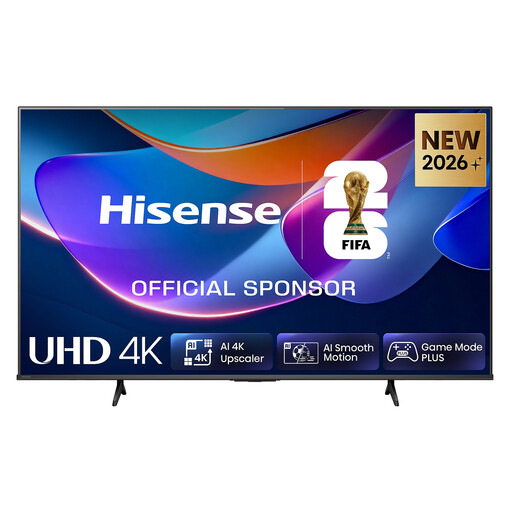
Why It's a Match: This device offers a solid all-around package for everyday use. With a 55-inch screen, 4K resolution, and support for Dolby Vision, it delivers good picture quality for streaming and movies without breaking the bank. The VIDAA platform is responsive and provides access to all major apps.
Support for the dynamic HDR standard Dolby Vision ensures reliable and standardised picture optimisation. The VIDAA operating system is actively maintained by Hisense, which guarantees the longevity of its smart features.
The AI 4K Upscaler visibly improves lower-resolution content. DTS Virtual:X creates a more spatial sound impression without additional hardware.
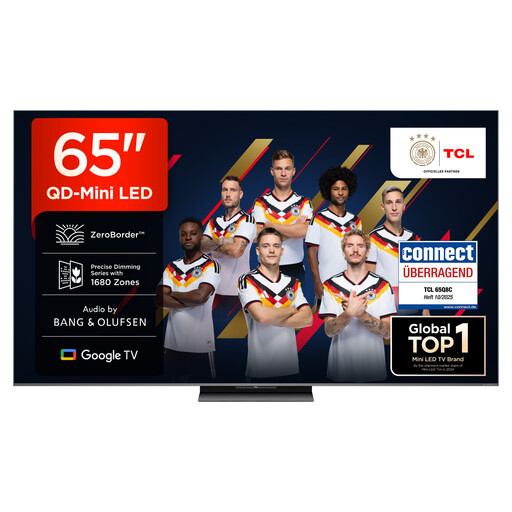
Why It's a Match: This 65-inch TV combines advanced QD-Mini LED technology with very high peak brightness for impressive contrast and an intense HDR experience. The integrated sound system by Bang & Olufsen and support for Dolby Atmos create a cinematic atmosphere in your own living room.
The QD-Mini LED technology with high brightness (TCL calls it "4K HDR PREMIUM 4500") delivers true HDR performance that is far beyond that of standard sets. The native 144Hz panel ensures authentic and fluid motion handling.
The audio system by Bang & Olufsen offers a sound quality that is rarely found in integrated TV speakers. The frameless "ZeroBorder" design provides a modern aesthetic.
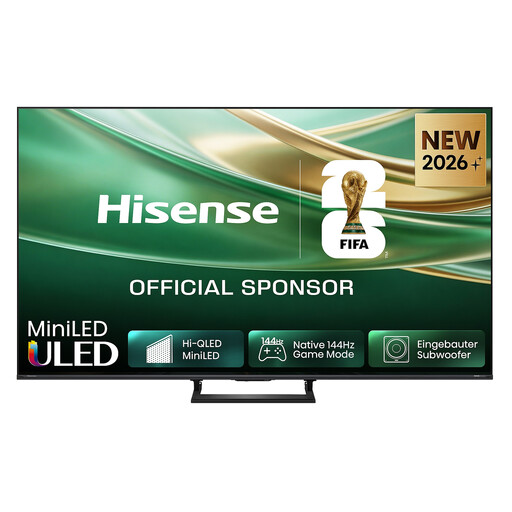
Why It's a Match: This model is built from the ground up for gaming. A native 144Hz refresh rate, VRR, and ALLM guarantee an extremely smooth and responsive gaming experience on current consoles and PCs. The Mini-LED technology ensures high contrast and rich detail in dark game scenes.
Instead of relying on marketing terms, the manufacturer clearly states the native 144Hz frequency and supports open standards like VRR. This guarantees transparent and verifiable gaming performance without misleading marketing claims.
The combination of a 144Hz panel and Mini-LED technology offers both the speed for competitive gaming and the picture quality for graphically rich single-player titles.
We have compiled a complete, up-to-date list of products that fully meet these strict selection criteria and rigorous safety standards. Discover more TV deals.
The lifespan of a modern LED, QLED, or Mini-LED TV is primarily determined by the durability of the backlight, which is typically rated for 60,000 to 100,000 operating hours. With average use, this corresponds to over ten years. However, software can be a limiting factor. If the manufacturer stops providing updates for the Smart TV system after a few years, its functionality can become restricted.
These are different operating systems for Smart TVs that vary in user interface and app availability.
A TV that supports Dolby Atmos can process the 3D audio signal. However, the built-in speakers can only simulate virtual surround sound. To experience the full, immersive effect of sound that also appears to come from above, a dedicated Dolby Atmos-enabled soundbar or a corresponding home cinema system is required. The TV's built-in audio is often sufficient to start with, but an upgrade is recommended for audio enthusiasts.