
Lieferung heute & morgen

Qualitätsgarantie

Willkommens-Angebote freischalten: KOSTENLOSE Lieferung | Bis zu 80 % RABATT | Kostenlose 30-Tage-JoyPlus-Testphase
App herunterladen
For competitive PC gamers, a mouse is more than just an input device—it's a direct link to the digital arena. High responsiveness and precision can mean the difference between victory and defeat. However, the gaming mouse market is saturated with marketing buzzwords and technical specs that often confuse more than they clarify. Especially when searching for a 4K wireless gaming mouse, it's crucial to cut through the noise. As your Joybuy Product Recommendation Officer, I'll help you understand the key features and avoid common purchasing pitfalls.
Before we dive into the technical details, let's look at three common marketing traps that often lead to poor purchasing decisions:
To make an informed decision, focus on the following three technical aspects that critically define the performance of a pro gaming mouse.
The polling rate indicates how often the mouse reports its position to the computer. For years, the standard for gaming mice has been 1000 Hz (1000 times per second). A 4000Hz polling rate (or higher) means the data is updated four times as often. The result is a visibly smoother cursor movement and lower latency from hand movement to on-screen reaction. For gamers with high-refresh-rate monitors (144 Hz and above), this difference is noticeable and can provide a competitive edge.
The optical sensor is the heart of the mouse. Instead of just looking at the maximum DPI value, you should pay attention to the specific sensor model installed (e.g., PixArt sensors like the PAW 3398) and its specifications:
These three factors determine comfort and in-game endurance:
Here are some recommendations tailored to different needs and playstyles.
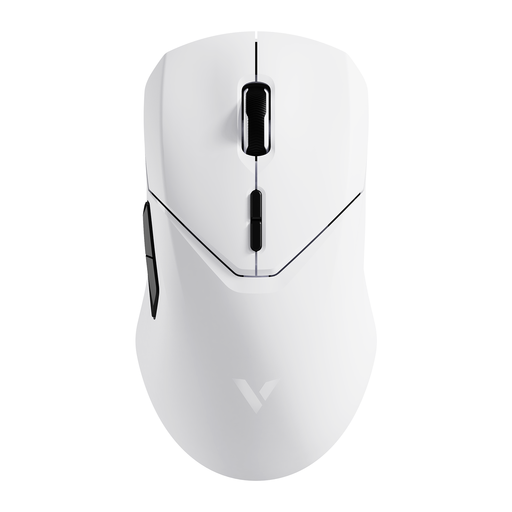
Why This Fits Their Persona: Ideal for gamers specifically seeking 4K technology to minimise latency. The mouse combines cutting-edge specs with a lightweight, ambidextrous design, making it a tool for ambitious players.
It delivers a true 4000Hz polling rate, sidestepping the trap of empty marketing promises. The focus is on measurable performance rather than just a high DPI number.
Equipped with the PAW 3398 sensor for precise tracking and a low weight of 68g. The very long battery life of up to 180 hours (at 1000 Hz) is another major plus.
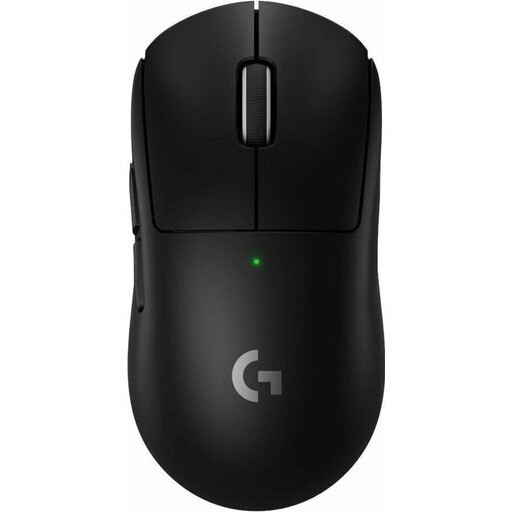
Why This Fits Their Persona: For gamers where every gram and every millisecond counts. This model was developed in collaboration with esports pros and is designed for maximum performance at minimum weight.
Focuses on proven LIGHTSPEED wireless technology and an extremely low weight, rather than getting lost in gimmicks. Performance is the clear priority.
Extremely light at only 60 grams. The HERO 2 sensor offers precise tracking, and the hybrid LIGHTFORCE switches provide tactile and fast feedback.
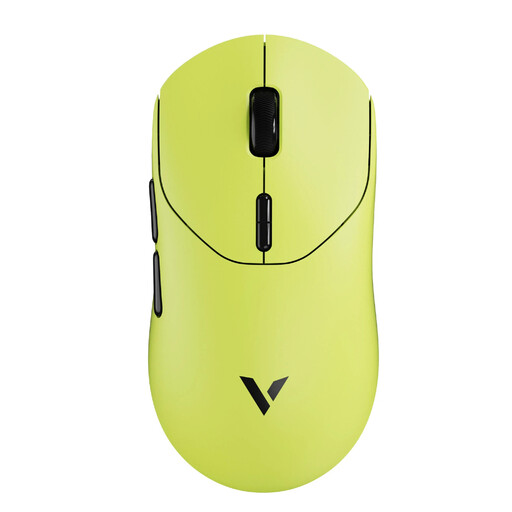
Why This Fits Their Persona: Perfect for gamers for whom weight is the top priority. At just 53 grams, this mouse is one of the lightest on the market, enabling extremely fast manoeuvres without fatigue.
This mouse avoids the trap of heavy, high-spec mice by combining a featherlight design with top-tier performance, including a true 8K wireless polling rate.
An extreme lightweight of only 53 grams. Offers a native 8K wireless polling rate and an exceptionally long battery life of up to 750 hours (at 1000 Hz).
We have compiled a complete, up-to-date list of products that fully meet these strict selection criteria and all relevant safety standards.
For competitive gamers using high-refresh-rate monitors (e.g., 144 Hz, 240 Hz, or higher), a 4000 Hz polling rate can provide a noticeable advantage. Cursor movements appear smoother, and input latency is further reduced. For casual gamers or those using a 60 Hz monitor, however, the difference compared to a standard 1000 Hz mouse is less pronounced.
Battery life depends heavily on usage, especially the selected polling rate. A higher rate like 4000 Hz or 8000 Hz consumes significantly more power than the 1000 Hz standard. Models like the RAPOO VT9Pro offer up to 180 hours according to the manufacturer, but this value typically refers to operation at 1000 Hz. In 4K mode, you can expect a shorter runtime, but one that is still sufficient for several intense gaming sessions.
Not necessarily. Modern manufacturing techniques and materials allow manufacturers to reduce weight without sacrificing essential features. A lightweight gaming mouse typically still includes a high-end sensor, durable switches, and programmable buttons. The weight savings are often achieved through an optimised internal design, lighter plastics, and sometimes by omitting elaborate RGB lighting elements.