
Same-day & Next-day Delivery

Quality Guaranteed

Unlock Your Welcome Offers: FREE Delivery | Up to 80% OFF | Free 30-day JoyPlus trial
Download the APP
For strength athletes and fitness enthusiasts, a protein-rich diet is fundamental for muscle growth and recovery. A 50% protein bar seems like the ideal solution for a quick high-protein snack. But the market is crowded, and not every bar that promises high protein content delivers on its promise. Many products turn out to be calorie traps with unwanted additives or disappoint with an unpleasant texture.
This guide will show you what to look for to avoid the most common purchasing pitfalls and find a bar that truly supports your fitness goals.
To avoid a bad buy, you should take a close look at the nutrition facts and the ingredients list before making a decision. Three factors are particularly important.
The type of protein is crucial for its biological value and its support for muscle growth. High-quality bars often use a blend of different sources:
Pay attention to the proportion of primary protein sources like milk or soy protein.
A true low-carb bar should not only have little sugar but also a moderate amount of total carbohydrates. Note the "of which sugar alcohols" (polyols) entry. These are not fully metabolised by the body and have fewer calories than sugar, but they can have the aforementioned laxative effects. A value of under 5g of sugar per bar is a good benchmark for a low-carbohydrate diet.
Many health-conscious athletes want to avoid certain additives. A frequently mentioned one is aspartame. Products explicitly labelled as "aspartame-free" often use alternative sweeteners like sucralose or stevia. The type of fat used, such as being palm oil-free, can also be a relevant criterion for some buyers.
Based on the criteria mentioned, we have put together a selection of products suitable for different user profiles.
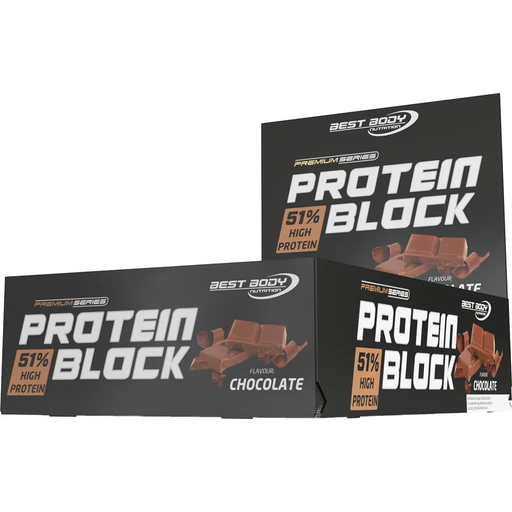
Why This Fits Their Persona: For athletes whose primary goal is maximum protein intake. The large 90g bar delivers a substantial amount of protein, making it ideal for intense training days or as a filling snack.
The bar delivers an objectively very high share with 51% protein. The protein sources are clearly declared, including milk protein concentrate and calcium caseinate. It is also aspartame-free.
Very high protein content of 51%; Large 90g portion for high satiety; Soft consistency despite high protein content.
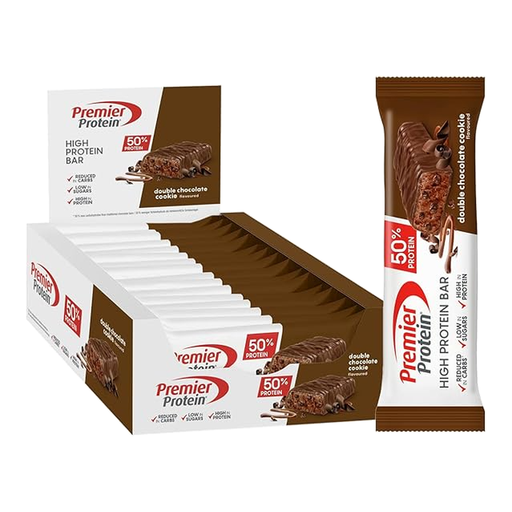
Why This Fits Their Persona: For anyone looking for a functional snack that feels like a treat. This bar combines a very high protein content with a texture reminiscent of a conventional chocolate bar.
Directly addresses the pitfall of poor texture. The description highlights a light, fluffy consistency with crispies, which is a challenge with 50% protein. The sugar content is reduced.
Exact protein content of 50%; Pleasant texture with crispies; Palm oil-free; Great taste for a chocolate protein bar.

Why This Fits Their Persona: Perfect for athletes in a cutting phase or those following a ketogenic or low-carb lifestyle. The focus is clearly on minimising carbohydrates while maintaining a high protein content.
This bar avoids the hidden sugar trap. It is explicitly positioned as a low-carb bar and has only 2.5g of sugar per 100g. The protein content of 45% is still very high.
Very high protein content of 45%; Extremely low sugar content; Specifically designed for a low-carbohydrate diet.
We've compiled a complete, up-to-date list of products that fully meet these strict selection criteria.
No, protein bars are designed as a dietary supplement, not a meal replacement. They are excellent as a post-workout snack or to bridge the gap between meals to increase protein intake. They cannot replace a complete meal with complex carbohydrates, healthy fats, and micronutrients.
This warning refers to the sugar alcohols (polyols) they contain, such as maltitol, sorbitol, or glycerol. These sweeteners are not fully absorbed by the body and can bind water in the intestine in larger quantities, which can lead to bloating or a laxative effect. Individual tolerance varies greatly.
Protein bars should be stored in a cool, dry place, protected from direct sunlight. Temperatures between 15°C and 20°C (59°F and 68°F) are ideal. Storing them in the refrigerator is usually not necessary and can alter the bar's consistency. Once opened, the bar should be consumed promptly to maintain its freshness.