
Lieferung heute & morgen

Qualitätsgarantie

Willkommens-Angebote freischalten: KOSTENLOSE Lieferung | Bis zu 80 % RABATT | Kostenlose 30-Tage-JoyPlus-Testphase
App herunterladen
A 500 g jar of honey is a practical choice for many households: the quantity is manageable, yet enough for bread, tea, muesli, desserts and cooking. However, it is worth taking a closer look at the variety, origin and consistency before buying. Product names and golden colours alone reveal little about the actual flavour or how the honey can be used.
Depending on the variety and its natural composition, honey can crystallise at different rates. Liquid honey, such as acacia honey, often stays in this state for longer. Blossom honey or forest honey, on the other hand, may become solid or creamy sooner. Crystallisation is therefore a natural characteristic and is not, by itself, a clear sign of poor quality.
Forest honey is often darker and more full-bodied than mild blossom honey. This does not automatically make it higher quality; it mainly reflects its botanical origin and flavour profile. If you are looking for a more delicate flavour at breakfast, a mild blossom or acacia honey may be a better choice.
Organic honey is produced in accordance with the requirements of the EU Organic Regulation and labelled accordingly. The term “German honey”, on the other hand, refers to the country of origin. For blends of EU and non-EU honeys, you should read the label carefully. A German branded product does not necessarily consist exclusively of German honey.
The type of honey affects how well it suits your everyday needs:
The exact description on the jar is more important than general marketing claims. With blended honey, the flavour profile may vary from one harvest to the next.
Creamy honey spreads neatly on bread and drips less. It is therefore well suited to family breakfasts or anyone who prefers a spreadable texture. Liquid honey is easier to measure and mix into yoghurt, tea, dressings or batter.
Crystallised honey can be warmed carefully in a bain-marie. The temperature should remain low so that the product is not heated unnecessarily. Direct heat, microwaves and prolonged exposure to sunlight are unsuitable for storage.
Honey generally consists of a single food ingredient. Even so, you should check the ingredients list, particularly for products with added ingredients or special variety descriptions. Also look out for:
Honey is a natural product. Its colour, aroma and consistency can therefore vary even within the same variety.
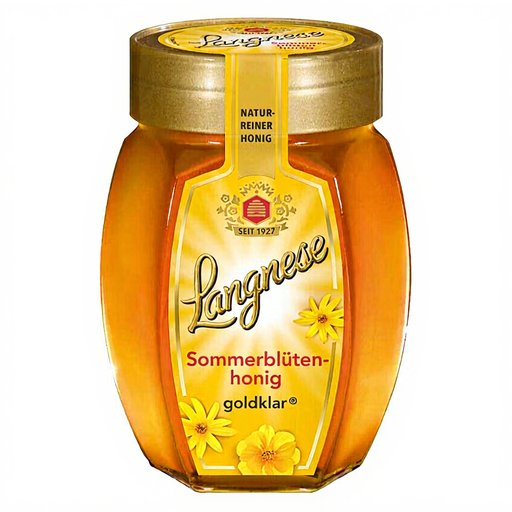
Why this product suits this profile: This liquid blossom honey is intended for everyday uses such as tea, muesli, bread and pancakes, covering several typical household needs.
The ingredients information lists honey as the sole ingredient; the origin and blend of EU and non-EU honeys are stated separately.
500 g jar, liquid consistency and, according to the product information, made in Germany.
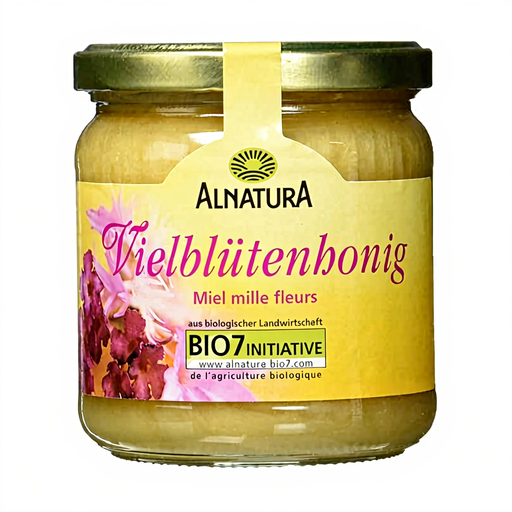
Why this product suits this profile: Its organic certification and clear ingredients information appeal to buyers who look for controlled production standards when choosing their honey.
The “organic” claim is supported by the stated EU organic certification and the ingredient description “100% organic blossom honey”.
Organic blossom honey in a jar, suitable for cold dishes, baked goods, coffee, tea and bread.
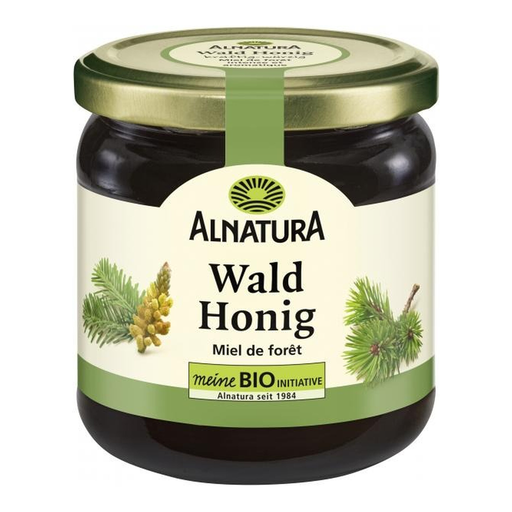
Why this product suits this profile: Its liquid consistency and full-bodied profile work well with bread, drinks, baked goods and savoury uses such as salad dressings.
The variety is clearly identified as forest honey and is not presented as having the characteristics of mild blossom honey.
Organic forest honey in a jar, listed as DE-ÖKO-001, with a liquid consistency according to the product description.
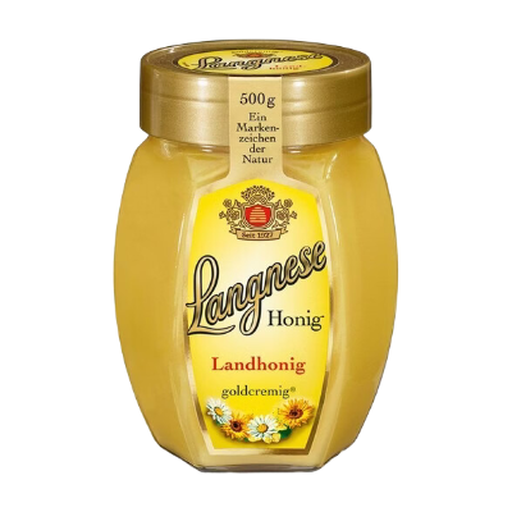
Why this product suits this profile: The creamed texture is designed for spreading on bread and using in baked goods or tea.
The creamy consistency is explicitly described, so buyers should not expect a liquid texture.
500 g jar, creamy blossom honey texture and mild flavour description according to the product information.
We have put together a complete, regularly updated list of products that fully meet these strict selection criteria and the safety regulations applicable in the EU.
Honey should be stored in a cool, dry place protected from light. A tightly sealed jar prevents it from absorbing moisture. Use a clean, dry spoon when serving.
Honey is a raw food product and is not suitable for children under twelve months. This advice applies regardless of whether the product is blossom honey, forest honey, organic honey or German honey.
When stored correctly, honey has a very long shelf life. The key factors are the best-before date printed on the packaging, a clean seal and storage away from high heat or direct sunlight. Changes in colour or consistency can occur in a natural product.
Acacia honey often remains liquid for longer due to its natural composition. Storage temperature also affects its consistency. Liquid forest honey or blossom honey may still crystallise over time.
No. Organic honey meets the requirements of the EU Organic Regulation, while “German honey” describes its origin. An organic product may contain a blend of honey from EU and non-EU countries. The specific origin is shown on the label.