Households that regularly use nuts
If you often buy nuts as an ingredient or snack, you can choose a larger pack to suit your usual consumption. The key is whether you’ll use it all after opening.


A 500 g pack is a good choice if you use that type of nut regularly and can store and use the contents appropriately once opened. For muesli, salads or baking, plain nuts are a versatile option; for a planned snack, you might prefer roasted or salted varieties. If you have an allergy, always check the ingredients and allergen information, regardless of pack size.
If you often buy nuts as an ingredient or snack, you can choose a larger pack to suit your usual consumption. The key is whether you’ll use it all after opening.
Plain nuts are versatile enough for muesli, salads and baking. If you buy a larger pack, make sure you have a suitable way to store it once opened.
If you mainly buy nuts for snacking, check before choosing a large pack that you’ll actually get through it. Roasted and salted varieties may contain different ingredients from plain nuts.
Start by choosing the type of nut and how you’ll use it, then pick a pack size that suits your consumption and storage options. If you have an allergy, check the labelling on the specific pack.
| What to consider | What to check before buying | Who it matters to |
|---|---|---|
| Pack size and consumption | Choose a pack size that matches how much you can use after opening. | If nuts are a regular item on my shopping list, I want to use up a large pack. This is the main consideration for around 36% of consumers when buying more. |
| Plain ingredients | Read the ingredients list if you’re looking for unseasoned nuts to use in a range of dishes. | I need a variety without added seasoning for muesli, salads and baking. Around 29% of consumers say this is their main priority. |
| Storage after opening | Think about how often you’ll use the nuts and whether you have somewhere suitable to store them. | If I only eat nuts occasionally, I don’t want to leave an opened large pack sitting around for too long. This is the main concern for around 21% of consumers. |
| Snack flavour and labelling | Compare the ingredients and salt content; if you have an allergy, check the allergen and ‘may contain’ information too. | For a planned snack, I want a flavour I’ll enjoy and may need to take allergens into account. This is the main concern for around 14% of consumers. |
ALDI SÜD labels the 500 g FARMER NATURALS XXL packs mentioned here as special buys with limited availability. So you can’t count on finding the exact same pack when you come to buy more later.
Before shopping, decide which other type of nut or pack size would also work for you.
If you don’t use nuts often, an opened pack can sit around for a long time. The Verbraucherzentrale recommends storing opened shelled or chopped nuts in a tin in the fridge, and says not to eat any that have gone mouldy.
Only buy an amount you expect to use, and transfer any leftovers to a suitable container once opened.
Any leftovers you can no longer use will need to be thrown away.
The ja! roasted and salted peanuts listed by REWE contain sunflower oil and 1% salt, while the ja! walnut kernels list walnuts as their only ingredient. These products therefore suit different uses.
Check the ingredients and allergen information on the specific pack before choosing a variety.
REWE lists both 500 g packs of ja! walnut kernels and 500 g packs of roasted and salted peanuts.
ALDI SÜD periodically sells 500 g XXL packs under this brand, including walnut kernels, almonds and trail mix.
Lidl describes Alesto’s range as including both plain nuts and seasoned snack varieties.
Seeberger lists several pack sizes for selected types of nuts, including 500 g and larger packs.
These 500 g packs include individual nuts for cooking, seasoned peanuts and a snack mix. Choose according to the type of nut, the ingredients and how much you’ll use after opening.
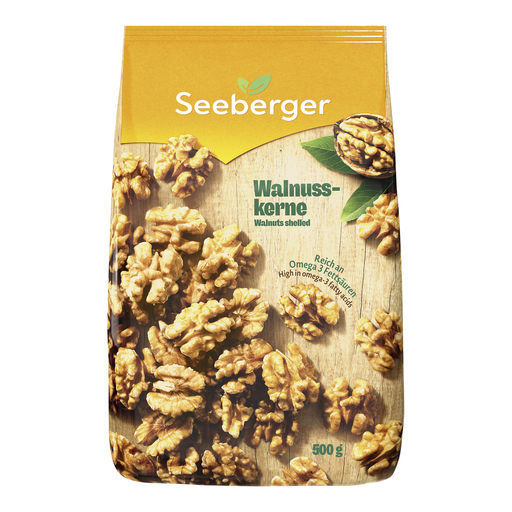 Image unavailable
An option if you regularly use walnut kernels as an ingredient. Make sure you have somewhere suitable to store the opened 500 g pack, and check the labelling if you have an allergy.
 Image unavailable
Whole, plain almonds are worth considering if you regularly eat almonds as a snack or use them as an ingredient. Think about how you’ll store the 500 g pack once opened, and check the labelling if you have an allergy.
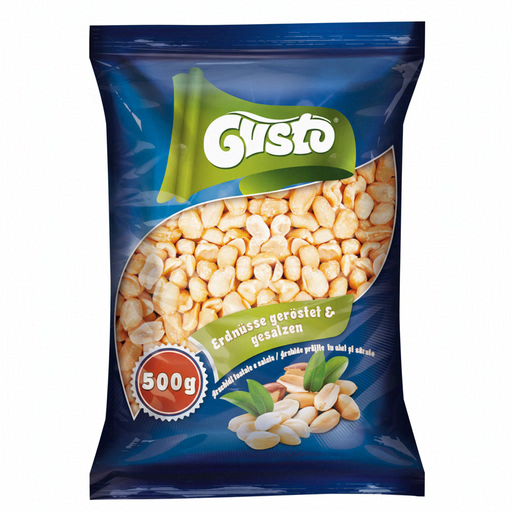 Image unavailable
This pack is suited to a planned peanut snack, rather than a search for unseasoned nuts. Check the ingredients and salt content, as well as the labelling on the 500 g pack if you have an allergy.
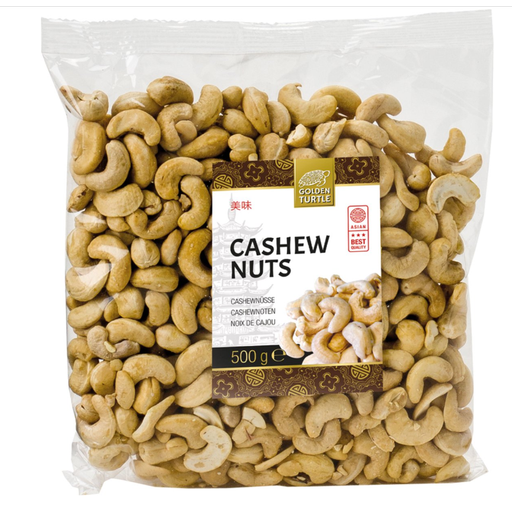 Image unavailable
If you’re buying cashews specifically, consider whether you’ll use the 500 g pack regularly. Check the storage instructions for after opening and the labelling if you have an allergy.
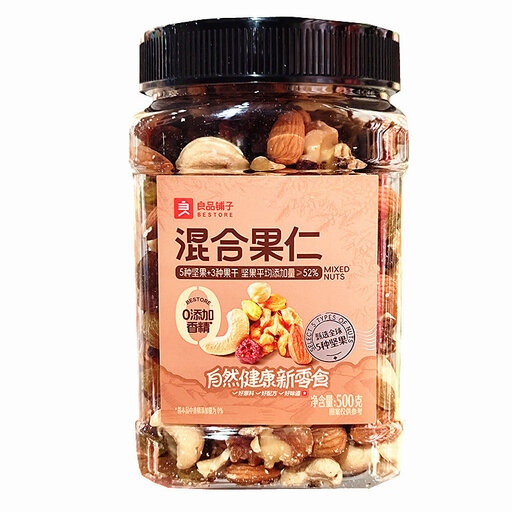 Image unavailable
A mix could be a good choice if you want a 500 g pack with different varieties for snacking. Read the ingredients and allergen information, and plan how you’ll store it once opened.
According to the Verbraucherzentrale, opened shelled or chopped nuts should be kept in a tin in the fridge, where they’ll last for around four weeks. Don’t eat nuts that have gone mouldy.
Check the allergen information on each specific pack. The Lebensmittelverband Deutschland explains that peanuts and tree nuts used as ingredients must be identified as allergens in the ingredients list. A voluntary ‘may contain’ warning does not mean traces are definitely present, and the absence of one does not guarantee there has been no accidental contamination.
Salted nuts can work well as a seasoned snack, but they aren’t necessarily interchangeable with plain nuts in recipes. The ja! roasted and salted peanuts listed by REWE contain sunflower oil and 1% salt, while the walnut kernels list walnuts as their only ingredient.