
Lieferung heute & morgen

Qualitätsgarantie
App herunterladen
Kategorien
The 55-inch screen size, equivalent to 139 cm, has established itself as the standard for modern living rooms. It offers an immersive viewing area without dominating the space. Combined with a 4K UHD resolution (3840 x 2160 pixels), these TVs deliver a high pixel density that truly shines when displaying native 4K content. This guide analyses the key technical parameters for selecting a 55-inch 4K TV in 2026 and presents a curated selection of models based on their specifications.
The decision for a specific model should be based on an objective evaluation of its technical features. The following parameters are crucial for a TV's performance and feature set.
The type of backlighting and panel technology significantly influences contrast, brightness, and colour reproduction.
Sheer 4K resolution is only one part of the picture quality equation. Image enhancement technologies are crucial for a dynamic viewing experience.
A modern 55-inch Smart TV acts as a hub for entertainment and smart home control. The operating system determines the user interface, app availability, and overall responsiveness.
For console gamers, specific features are essential for ensuring a smooth and responsive gaming experience. A 4K gaming TV should include the following:
Based on the technical criteria above, we have compiled a selection of models that cater to different user profiles.
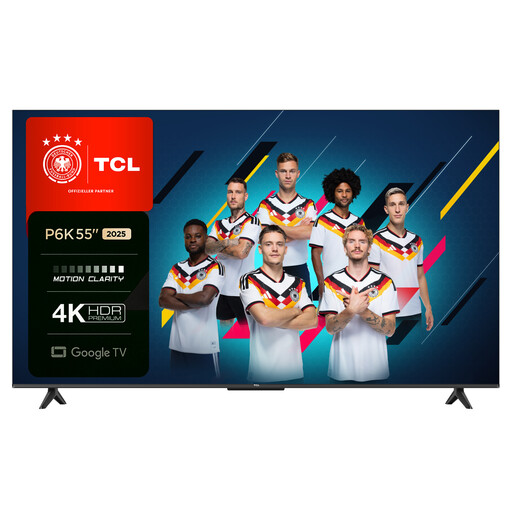
Why we recommend this product: The TCL 55P6K combines a solid technical foundation with the comprehensive Google TV operating system. Its Direct LED backlighting ensures uniform illumination, while the AiPQ processor optimises content to 4K quality. With the "Game Master" function, which includes ALLM, the device is also a functional choice for casual gamers.
Pros:
Who it's for: Users looking for a value-oriented 55-inch Smart TV with a comprehensive operating system and solid picture performance for streaming and casual gaming.
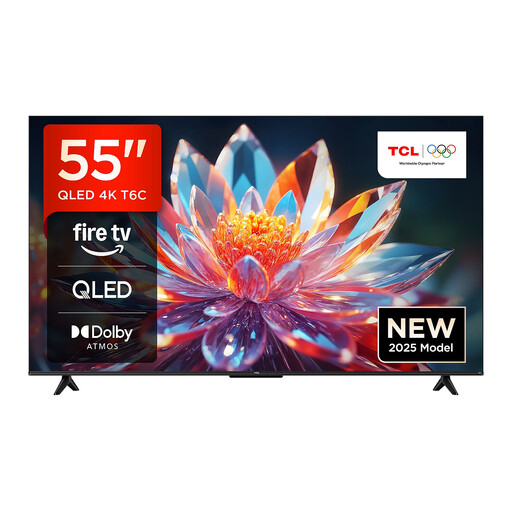
Why we recommend this product: The TCL 55T6C elevates picture quality to the next level with its QLED technology. According to the manufacturer, it achieves 97% DCI-P3 colour space coverage, resulting in visibly richer and more precise colours. Support for the dynamic HDR formats Dolby Vision and HDR10+, as well as Dolby Atmos sound, makes it an excellent choice for home cinema enthusiasts.
Pros:
Who it's for: Users who prioritise superior colour reproduction and contrast and are already invested in the Amazon ecosystem (Fire TV, Alexa).
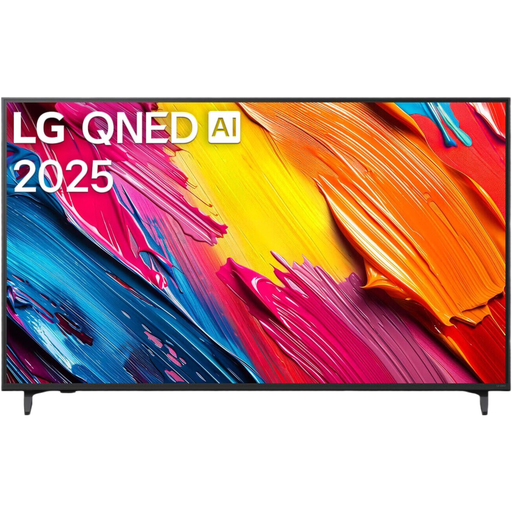
Why we recommend this product: This model from LG utilises QNED technology, a combination of Quantum Dots and NanoCell particles, to further enhance colour accuracy and contrast. The α7 Gen8 4K AI Processor analyses picture and sound sources, optimising them with AI algorithms. The webOS 25 operating system is renowned for its fast and intuitive operation.
Pros:
Who it's for: Tech-savvy users seeking a TV with advanced picture processing technology and a mature, responsive OS that integrates seamlessly into various smart home environments.
The models featured here cover specific user profiles. If none of these TVs perfectly match your needs, a wider selection of televisions with different specifications and price points is available. Exploring other available devices can help you find the perfect model.
1. What is the difference between QLED and LED on a 55-inch TV? A standard LED TV uses an LED backlight to illuminate the pixels of an LCD panel. A QLED TV adds a layer of quantum dots between the LED backlight and the LCD panel. These nanoparticles convert the blue light from the LEDs into highly pure red and green light. The result is a significantly wider displayable colour spectrum and higher peak brightness compared to conventional LED TVs.
2. How big is a 55-inch TV in cm? A TV with a 55-inch screen diagonal measures 139.7 cm. The actual dimensions of the device (width and height) can vary slightly depending on the bezel width, but are typically around 123 cm in width and 71 cm in height (without the stand).
3. Do I need special content for a 4K UHD TV? To take full advantage of the 3840 x 2160 pixel resolution, native 4K content is required. This is available from streaming services like Netflix, Amazon Prime Video, and Disney+, from 4K Ultra HD Blu-rays, and from current game consoles (PlayStation 5, Xbox Series X). However, modern 4K UHD TVs feature powerful processors that effectively upscale lower-resolution content (e.g., HD TV broadcasts or DVDs) to 4K quality, making this content also appear sharper and more detailed.