
Lieferung heute & morgen

Qualitätsgarantie

Willkommens-Angebote freischalten: KOSTENLOSE Lieferung | Bis zu 80 % RABATT | Kostenlose 30-Tage-JoyPlus-Testphase
App herunterladen
Mini-LED technology represents a significant evolution in LCD backlighting. By using thousands of tiny light-emitting diodes, these TVs allow for more precise control over brightness and contrast across hundreds or even thousands of local dimming zones. The result is a picture quality characterized by deeper blacks, higher peak brightness, and a reduced halo effect (blooming). A 55-inch Mini LED TV (equivalent to a 139 cm screen diagonal) offers a versatile size for most living rooms, combining this advanced display technology with an immersive viewing area.
This article analyses the key technical specifications to consider when choosing a model in 2026 and presents a selection of devices based on their specifications.
Choosing the right device depends on a careful review of its technical specifications. The following criteria are relevant for making an informed decision.
The image processor is the brain of the TV. It is responsible for optimising colour, contrast, and motion clarity. Modern processors use AI algorithms to analyse and enhance content in real time. Upscaling is particularly important: lower-resolution content (e.g., 1080p) is scaled up to the panel's native 4K resolution. The quality of this process determines how sharp and detailed older films or TV shows appear on a 55-inch 4K TV.
For serious gamers, a 120Hz gaming TV, or even 144Hz, is an essential requirement. A high native refresh rate ensures extremely smooth motion, which is particularly advantageous in fast-paced games. Other crucial features include:
High Dynamic Range (HDR) expands the contrast and colour range of an image. The most important formats are:
The peak brightness, measured in nits, is particularly high on Mini LED TVs and is crucial for the impressive display of HDR content.
A modern 55-inch Smart TV provides access to a wide range of streaming apps, media libraries, and additional features via its operating system (e.g., Google TV, webOS). An intuitive user interface, fast response times, and support for voice assistants are key quality indicators here. Connectivity should include multiple HDMI 2.1 ports, as well as USB ports, Wi-Fi (Wi-Fi 6/6E), and Bluetooth.
Based on the technical criteria mentioned above, here is an analysis of selected models.
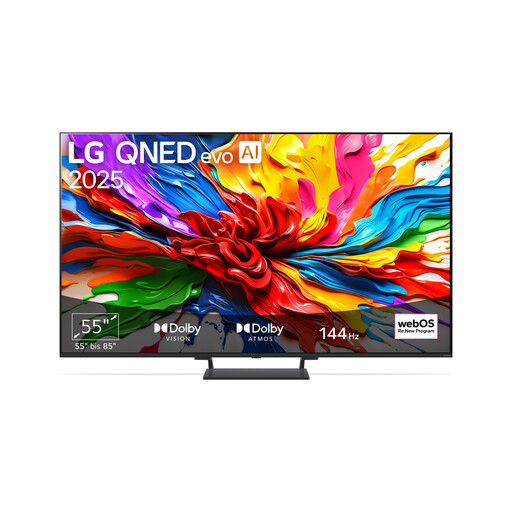
Why we recommend this product The LG 55QNED93A6A combines QNED colour technology with a Mini-LED backlight and Precision Dimming. The built-in α8 Gen2 4K AI Processor is designed for intelligent picture and sound optimisation. With a native refresh rate of 144Hz VRR and AMD FreeSync Premium, the device is well-equipped for demanding gaming.
Advantages:
Who it's for: This model is aimed at users looking for a technologically advanced all-rounder. It is equally suitable for home cinema applications, thanks to Dolby Vision and Dolby Atmos, as well as for high-end gaming due to its high refresh rate and specific gaming features.
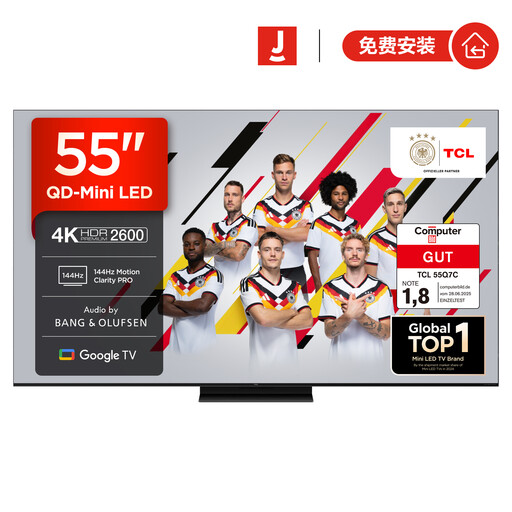
Why we recommend this product The TCL 55Q7C stands out with its very high peak brightness (up to 2600 nits, according to the manufacturer) and an integrated 6.2.2 sound system by Bang & Olufsen. The combination of a QD-Mini LED panel, 144Hz VRR, and comprehensive HDR support (including Dolby Vision IQ) makes it a powerful device for entertainment.
Advantages:
Who it's for: This model is ideal for users who value outstanding overall audiovisual performance and are looking for a device that excels in both home cinema and gaming without compromise. The powerful integrated sound system is a clear standout feature.
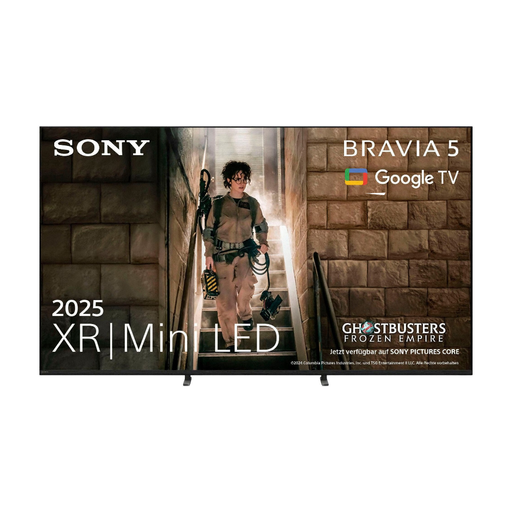
Why we recommend this product The Sony K55XR52 relies on the AI XR Processor and XR Backlight Master Drive technology to ensure precise control of the Mini-LEDs. A special feature is the Acoustic Multi-Audio technology, where the sound appears to come directly from the screen. The IMAX Enhanced certification and seamless integration with PlayStation consoles highlight the focus on a high-quality entertainment experience.
Advantages:
Who it's for: This device primarily appeals to film and series lovers who appreciate picture and sound reproduction that is as faithful to the original as possible. At the same time, its specific PlayStation features and HDMI 2.1 support make it an excellent choice for console gamers.
The models presented here represent a curated selection that covers specific requirement profiles. However, the market offers a wider range of devices with different focuses on price, design, and features.
For a comprehensive overview of other devices and technologies, we invite you to visit our main category: Mini LED TVs.
1. What is the main advantage of Mini LED over OLED? Mini LED TVs can achieve significantly higher peak brightness than most OLED TVs, making them particularly advantageous for displaying HDR content in bright rooms. Additionally, they are not susceptible to burn-in from static images. OLED TVs, in contrast, offer perfect black levels at the pixel level, as each pixel illuminates individually and can be turned off completely.
2. Is a 55-inch TV large enough for a home cinema experience? The ideal size depends on the viewing distance. For a 55-inch diagonal screen with 4K resolution, a viewing distance of approximately 1.1 to 2.1 metres is recommended to achieve an immersive experience without perceiving individual pixels. For many living rooms, this size represents an excellent balance between immersion and room integration.
3. Why is HDMI 2.1 important for a modern TV? HDMI 2.1 is the key to future-proof entertainment. The standard enables the transmission of 4K content at 120 Hz, which is essential for the latest game consoles (PlayStation 5, Xbox Series X). It also supports features like eARC (Enhanced Audio Return Channel) for uncompressed audio formats like Dolby Atmos, as well as VRR and ALLM for an optimised gaming experience.
About the Author
Joybuy Product Recommendation Officer
Focus on technical specifications and practical benefits for objective product evaluation.