
Lieferung heute & morgen

Qualitätsgarantie

Willkommens-Angebote freischalten: KOSTENLOSE Lieferung | Bis zu 80 % RABATT | Kostenlose 30-Tage-JoyPlus-Testphase
App herunterladen
A 6-bottle wine pack is practical when you are hosting several guests, planning a celebration or regularly enjoying wine with meals. A case often contains 6 x 0.75 l of wine, giving you 4.5 litres in total. However, buying a larger quantity is not automatically better value. The key factors are flavour profile, occasion, storage and the information on the label.
If you want to buy wine online, you should therefore look beyond eye-catching bottles, origin designations and advertising language. The following criteria will help you choose a wine pack that suits your needs and avoid common purchasing mistakes.
“Fruity” does not necessarily mean that a wine is sweet. A wine with intense fruit aromas can still be made in a dry style. When choosing, descriptions such as dry, medium-dry, medium-sweet or sweet are therefore more useful than general terms such as “mild” or “easy to drink”.
A full-bodied red wine can be a good match for steak or slow-cooked dishes, but it is not always the right choice for a summer reception. For parties and celebrations, easy-drinking white or rosé wines served well chilled are often more versatile. For a reception, a pack of Frizzante, Sekt or Secco can also be a sensible option.
If you want to cater for different tastes, you can look for mixed selections instead of a single-variety red wine pack, white wine pack or rosé wine pack. This reduces the risk of ending up with several unopened bottles.
Alcohol content is an objective point of comparison. In the available packs, for example, it ranges from 9% vol. for a medium-sweet white wine to 13.5% vol. for Yellow Tail Shiraz. Wine and sparkling wine must also generally be labelled as containing sulphites. Anyone with a relevant sensitivity should check the ingredients and allergen information before buying.
Alcohol-free alternatives should be considered separately. A Sekt or wine described as alcohol-free has been dealcoholised, but it is not the same as traditional sparkling wine. The Rotkäppchen Non-Alcoholic Sparkling Wine 6x0.75 l, for example, contains dealcoholised wine and is served chilled at around 6°C.
A pack containing 6x0.75 l provides 4.5 litres. With a serving size of 0.1 to 0.2 litres per glass, this quantity is enough for several guests. For a celebration, you should also plan whether other drinks such as water, beer or alcohol-free options will be available.
Small bottles can be more practical for events with guests coming and going. An alternative for frequent wine drinkers is a 3-litre bag-in-box wine, which can be suitable for picnics or larger gatherings. However, it is not a six-bottle glass wine pack and should be assessed separately in terms of storage and serving.
The grape variety provides an initial guide, but it does not replace the full product description. Riesling is often associated with fresh acidity and citrus or stone-fruit aromas, while Chardonnay can feel softer and rounder depending on how it is made. Shiraz and Pinot Noir, meanwhile, differ considerably in body, fruit character and acidity.
Practical pairing guide:
Unopened bottles should be stored in a cool, dry place away from direct sunlight, in accordance with the manufacturer’s instructions. Serving temperature affects how fruit, acidity and alcohol are perceived:
After opening, wine should be resealed and consumed promptly. Its exact shelf life depends on the wine, fill level, closure and storage conditions. General guarantees about shelf life are therefore not reliable.
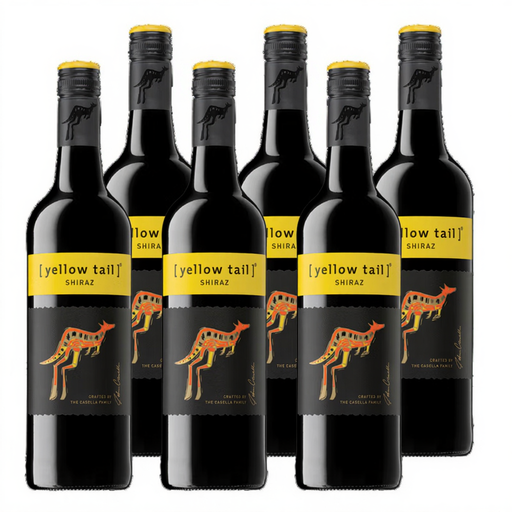
Why this product suits this profile: The pack contains six bottles of Australian Shiraz at 13.5% vol. and is aimed at buyers looking for a consistent red wine selection for meals or sociable evenings.
The number of bottles, bottle size and alcohol content are clearly stated. This makes it possible to compare value for money based on the total quantity.
Red berry, liquorice and spice notes according to the product description; suitable as an accompaniment to steak.
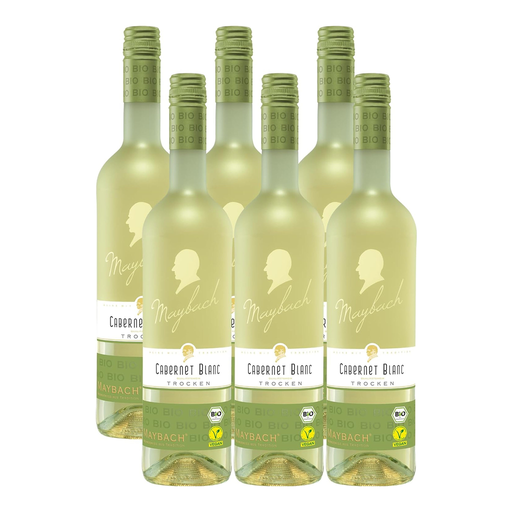
Why this product suits this profile: According to the product information, this dry white wine is organic and suitable for vegans. It has an alcohol content of 11.5% vol. and a recommended serving temperature of 8–10°C.
The choice is based on specific information about cultivation methods, suitability for vegans, alcohol content and ingredients rather than unsubstantiated claims about quality.
Kiwi, citrus and blackcurrant notes according to the product description; a good match for salads and fish.
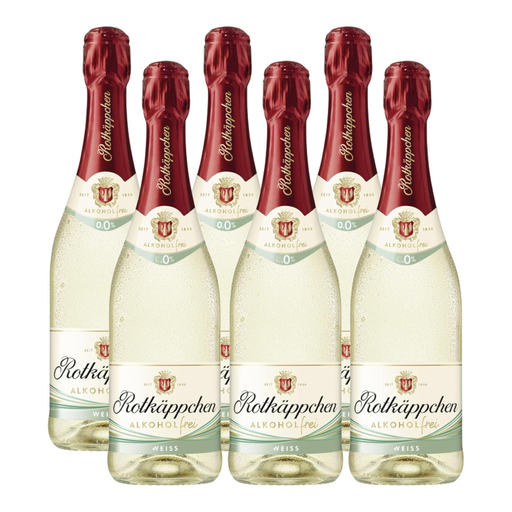
Why this product suits this profile: This pack is an appealing option for hosts who want to provide six bottles of an alcohol-free sparkling wine alternative at a celebration.
The term “dealcoholised” and the ingredients list make it clear that this is not conventional Sekt. The bottles are served chilled.
4.5 litres in total; fruity flavour profile according to the product description and suitable for alcohol-free occasions.
We have put together a complete, regularly updated list of products that fully meet these strict selection criteria and the safety regulations applicable in the EU.
For wine as a gift, clearly presented information about origin, grape variety and flavour is more useful than packaging designed to stand out as much as possible. If you do not know the recipient’s preferences, a medium-dry or fruity style may be more approachable than a highly distinctive wine.
When choosing wine for parties and celebrations, sufficient quantity, easy chilling and a selection that pairs well with a range of dishes are key. For longer events, it is also worth providing alcohol-free Sekt or alcohol-free wine. If you want to buy Sekt and Secco online, you should also understand the difference between Perlwein, Frizzante and sparkling wine, as the carbonation, pressure and product type are not identical.
A typical pack contains 6 bottles of 0.75 litres each, giving 4.5 litres in total. The actual number of glasses depends on the serving size. For private celebrations, you should also plan to provide alcohol-free drinks.
This depends on the type of wine, closure, fill level and storage conditions. After opening, the bottle should be resealed and stored somewhere cool. White and rosé wines are best consumed promptly, while the flavour of red wine can change at different rates depending on the product.
For a mixed group of guests, fruity white or rosé wines are a good choice, along with a dry red wine for savoury dishes. If some guests do not drink alcohol, a separate pack of alcohol-free Sekt is a practical addition. Your selection should take account of the food, serving temperature and guests’ flavour preferences.