
Lieferung heute & morgen

Qualitätsgarantie

Willkommens-Angebote freischalten: KOSTENLOSE Lieferung | Bis zu 80 % RABATT | Kostenlose 30-Tage-JoyPlus-Testphase
App herunterladen
An electric micro-pressure cooker promises to revolutionise how you prepare meals for family and friends, making it faster, more nutrient-rich, and more versatile. However, the market is flooded with appliances whose marketing claims often fall short in practice. Before you make a purchase, it's crucial to understand the common pitfalls to avoid disappointment.
As your Joybuy Product Recommendation Officer, I'll help you identify the key features that define a quality appliance and show you what to look for to make an informed choice for your kitchen.
The idea of an all-in-one appliance is tempting, but the execution is often flawed. Watch out for these three common problems:
To avoid a bad purchase, focus on fundamental technical specifications rather than marketing buzzwords.
For preparing meals for 5 to 8 people, a 7L multi-cooker is a good starting point. However, always check the maximum fill capacity listed in the product description. A pot with a large diameter (e.g., 30 cm) and sufficient depth (e.g., 9 cm) is ideal for dishes like stews or an electric hot pot, as it gives ingredients ample space and prevents boiling over.
An electric micro-pressure cooker is not a conventional high-pressure cooker. It operates at a very low pressure of about 2–3 kPa. The lid creates an airtight seal, allowing steam and heat to circulate inside. This process offers two key advantages:
The power, measured in watts, determines how quickly the pot heats up. For a large 7-litre electric pot, a rating of around 1600 watts is a good benchmark for reaching the desired temperature quickly. A full-surface heating element ensures even heat distribution, preventing food from burning in some spots while remaining raw in others. A durable non-stick coating and a transparent glass lid for monitoring the cooking process are other hallmarks of a thoughtful design.
Here are a few models tailored to specific user profiles that avoid the pitfalls mentioned above.
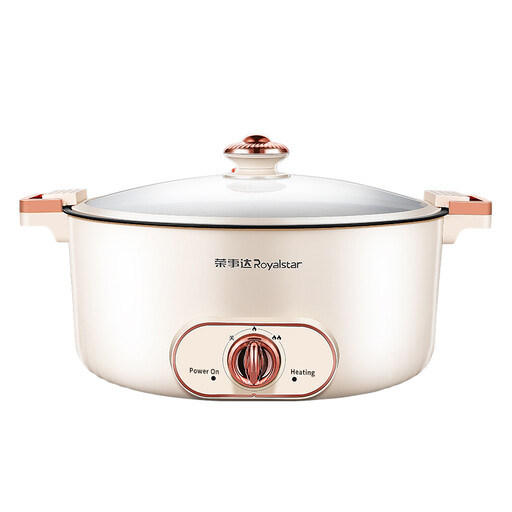
Why This Fits Their Persona: Ideal for hosts who regularly cook for 5–8 people. The combination of a 7-litre volume and micro-pressure technology makes it possible to prepare large quantities of stew, pot roast, or hot pot in less time.
This appliance delivers on its promise: the micro-pressure function isn't an empty marketing phrase but a defined technology for faster cooking. The large volume is designed for families.
The steam circulation provides significant time savings and preserves nutrients. The dual-ear locking mechanism ensures a secure seal.
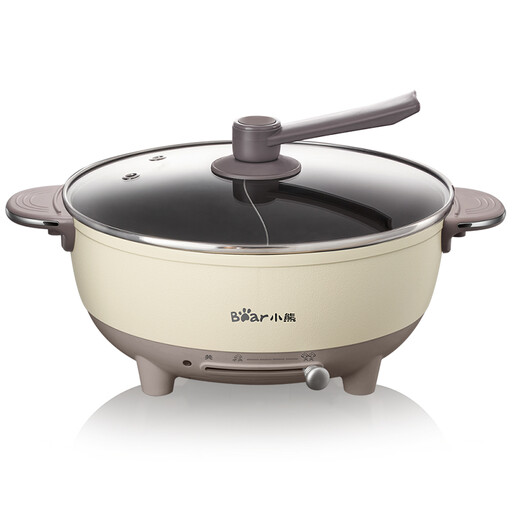
Why This Fits Their Persona: Perfect for social evenings where different tastes come together. The divided inner pot allows for the simultaneous preparation of two different broths—for example, one mild and one spicy version.
This appliance isn't an indecisive jack-of-all-trades but a specialised electric hot pot. Its core function—divided cooking—is precisely implemented and serves a clear purpose.
The separate cooking chamber is the key advantage. The stepless temperature control from 0–210°C offers full control over the cooking process, from a gentle simmer to a rolling boil.

Why This Fits Their Persona: For families looking for a simple yet powerful and large electric pot for daily use. It's excellent for soups, stews, and searing ingredients directly in the pot.
This model focuses on its core strengths: a very large volume (7L) and high power (1600W). It forgoes complex extra features, making it a reliable and robust multi-function pot.
The high power ensures rapid heating and cooking. The deep pot (8.5 cm) and wide diameter (30.5 cm) prevent splatters and make it easy to cook for many people.
We have compiled a complete, up-to-date list of products that fully meet these strict selection criteria and safety standards.
A conventional pressure cooker operates at high pressure (typically 70–100 kPa) to significantly raise the boiling point of water and drastically shorten cooking times. In contrast, an electric micro-pressure cooker uses very low pressure (around 2–3 kPa). It is not designed for pressure cooking in the traditional sense; instead, it uses the slight overpressure to seal the lid, retain heat more efficiently, and thus speed up the cooking process compared to a standard pot.
Allow the pot to cool completely after use. Clean the inner pot and lid with warm water, a mild dish soap, and a soft cloth or sponge. Do not use abrasive scourers, steel wool, or harsh cleaning agents, as these can damage the non-stick coating. The main body of the appliance, which contains the electronics, must never be submerged in water; wipe it with a damp cloth as needed.
An electric multi-cooker can be more energy-efficient, especially for longer cooking processes like braising or making stews. Because the system is enclosed (particularly with micro-pressure models), less heat is lost to the surroundings. The heat is transferred directly and efficiently to the pot's contents, which can reduce energy consumption compared to an open stovetop burner that also heats the surrounding air.