
Lieferung heute & morgen

Qualitätsgarantie

Willkommens-Angebote freischalten: KOSTENLOSE Lieferung | Bis zu 80 % RABATT | Kostenlose 30-Tage-JoyPlus-Testphase
App herunterladen
A 60 cm cooker hood suits many standard hobs, making it a popular choice for small to medium-sized kitchens. However, appliances can vary considerably in terms of installation, airflow, filtration and controls. If you focus only on the colour or the stated maximum airflow, you may end up buying a hood that is unsuitable for your kitchen or creates more work in everyday use than expected.
This buying guide from the Joybuy Product Recommendation Officer helps you avoid common selection mistakes and find a suitable 60 cm cooker hood for a rented flat, your own home or an open-plan kitchen.
A cooker hood with recirculation and extraction is flexible, but the two operating modes work differently:
A hood with an extraction connection cannot automatically be used without a filter in recirculation mode. Before buying, you should therefore establish which type of installation is actually possible in your kitchen.
Figures such as 370, 400 or 580 m³/h generally refer to the highest power setting. Duct length, bends, backdraught flap and filter condition all affect actual performance. A compact appliance is often sufficient for a small kitchen, while open-plan kitchens may benefit from higher airflow.
Noise levels are also important. A figure of 61 to 65 dB at the highest setting may be acceptable to many users, but can still be noticeable in an open-plan kitchen. A quiet cooker hood should therefore be assessed not only by its marketing claims, but also by the stated decibel levels for each setting.
Grease builds up in the filter and housing. A washable grease filter, such as an aluminium filter, reduces ongoing costs and makes maintenance easier. Removable metal filters should be cleaned regularly, depending on how often the hood is used. Many models recommend cleaning approximately every two to four weeks.
An activated carbon filter, on the other hand, is usually a consumable part. Once saturated, its odour-absorbing performance decreases. Before buying, check whether the required filter is included or needs to be ordered separately.
A 60 cm wall-mounted hood is fitted directly to the wall above the hob. Chimney hoods and angled hoods are often included in this category. A 60 cm angled cooker hood with a sloping front can provide more freedom of movement in front of the hob. It does, however, require sufficient wall space and secure mounting.
An under-cabinet cooker hood is fitted beneath a wall cabinet or mounted on the wall. It is suitable for small kitchens and rented flats, provided that installation is permitted. Pay particular attention to the depth, the position of the extraction outlet and the required installation height.
A built-in cooker hood is largely concealed inside the kitchen cabinet. Telescopic models can be partially pushed in when not in use. Before buying, check the cabinet’s internal width, installation depth, power connection and airflow route. A nominal width of 60 cm does not mean that every appliance will fit into every 60 cm cabinet.
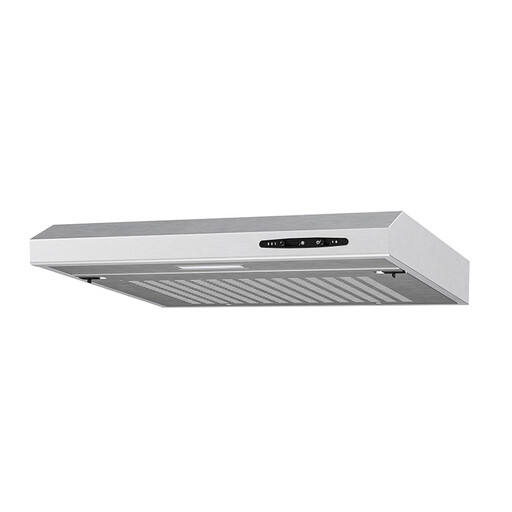
Why this product suits this profile: This under-cabinet hood is 60 cm wide, offers three power settings and has a stated airflow of 212 m³/h. It is designed for compact kitchens with relatively straightforward installation requirements.
According to the product details, the package includes a carbon filter, an air outlet and mounting screws. This makes it easier to assess which additional parts may be needed before buying.
Stainless steel housing, LED lighting, stainless steel grease filter and energy efficiency class C according to the product data.
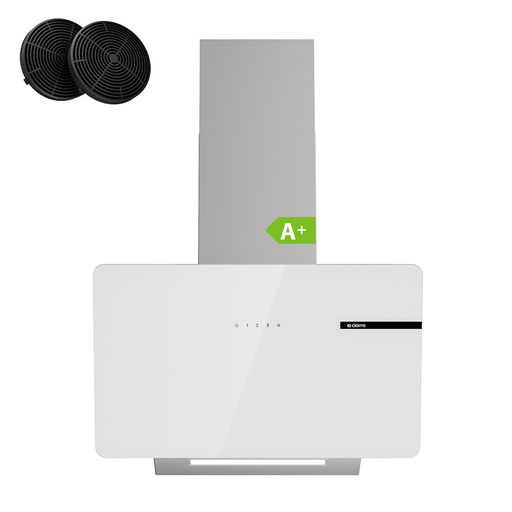
Why this product suits this profile: This angled wall-mounted hood combines three power settings with a stated airflow of 580 m³/h. It is suitable for users who prioritise ease of use and clear technical specifications.
Both extraction and recirculation are possible according to the description. The washable, dishwasher-safe aluminium filter makes regular cleaning easier.
Touch controls, LED lighting, energy efficiency class A+ and a stated maximum noise level of 64 dB.
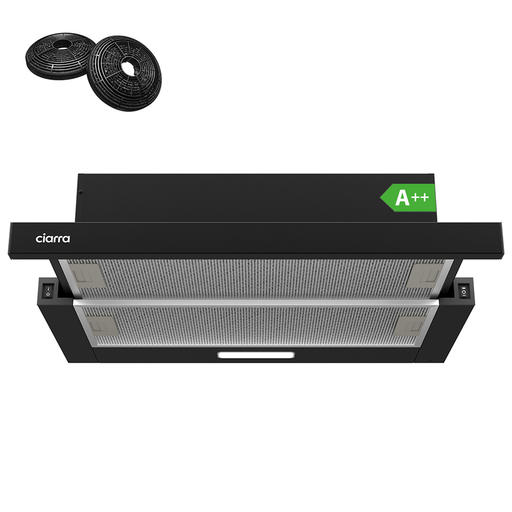
Why this product suits this profile: The pull-out design is intended for small kitchens with limited space beneath wall cabinets and offers up to 370 m³/h airflow according to the product data.
The product description lists both operating modes, washable aluminium filters and included CBCF002X2*2 activated carbon filters. Nevertheless, check the available connections before installation.
Energy efficiency class A++, LED light, two power settings and a stated maximum noise level of 61 dB.
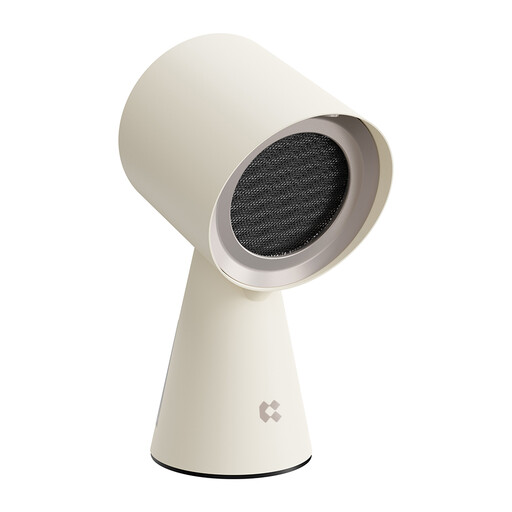
Why this product suits this profile: This mobile appliance requires no wall opening and works as a recirculating solution. It is designed for electric grills, mobile cooking areas and situations where a fixed hood cannot be installed.
The compact design avoids the need for an impractical permanent installation. According to the manufacturer’s information, the appliance is not intended for use with naked flames.
Two speed settings, 24 W power consumption, a filter module with several filter layers and a weight of 1.5 kg.
We have put together a complete, regularly updated list of products that fully meet these strict selection criteria and the safety regulations applicable in the EU.
The minimum height depends on the type of hood, hob and the manufacturer’s specifications. Electric hobs often require different clearances from gas hobs. The installation instructions and applicable safety requirements are decisive. If you are unsure, installation should be carried out by a qualified professional.
With regular use, cleaning approximately every two to four weeks is a usual guideline. Frequent frying or deep-frying may require shorter intervals. A washable metal filter may only be cleaned in accordance with the care instructions and must be allowed to dry completely before being refitted.
With extraction, regular activated carbon filters are not required, provided recirculation is not needed. However, installation, ducting and structural modifications can involve additional costs. Recirculation is often easier in rented flats, but creates ongoing costs for suitable carbon filters. The purchase price is therefore not the only consideration: the existing kitchen setup and expected period of use are also important.