
Lieferung heute & morgen

Qualitätsgarantie

Willkommens-Angebote freischalten: KOSTENLOSE Lieferung | Bis zu 80 % RABATT | Kostenlose 30-Tage-JoyPlus-Testphase
App herunterladen
A new cooker is a major investment for any kitchen. But when searching for the right model, many encounter promises that fall short in practice. While a 60 cm freestanding cooker is a standard size, the details vary significantly and determine whether cooking and baking become a joy or a frustration.
As your Joybuy Product Recommendation Officer, I'll help you navigate the common pitfalls. We'll focus on the facts that truly matter, so you can make an informed decision that fits your daily life.
Before we dive into the important features, let's highlight two common problems that often only become apparent after the purchase:
To avoid these problems, you should check three core aspects before buying. These define a cooker's real-world usability and long-term operating costs.
An electric cooker with a ceramic hob is a popular choice. However, pay close attention to the cooking zone configuration. For maximum flexibility, a hob with the following features is recommended:
These features ensure you have the right heating surface for any cookware, which improves energy efficiency and delivers even cooking results.
Instead of being swayed by high-tech jargon, choose a system that actually reduces cleaning effort without driving up your electricity bill. A cooker with steam cleaning (often marketed as SteamShine, AquaClean, etc.) is a very practical solution here. Water is evaporated on the oven floor. The steam softens dried-on food residue and grease, which can then be effortlessly wiped away with a cloth. This method is fast, chemical-free, and low-energy.
A freestanding oven with a hob should be economical not just to buy, but also to run.
Here you'll find specific recommendations tailored to different needs and kitchen styles.
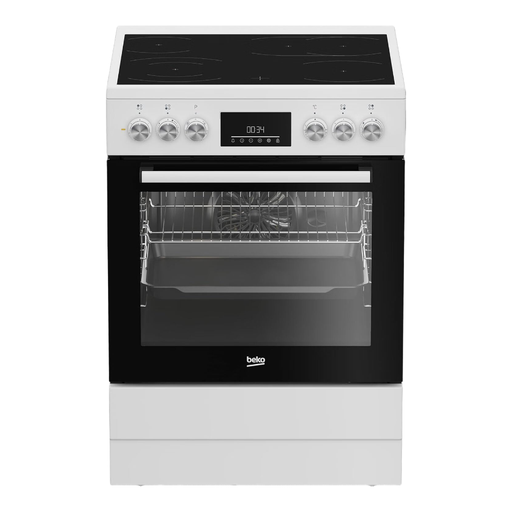
Why this model is a great fit: This model is designed for functionality and ease of use. The classic white design blends discreetly into most kitchens, while the large oven capacity and practical bottom drawer meet the needs of a busy household.
The SteamShine steam cleaning provides a simple, energy-saving cleaning solution. The ceramic hob features a dual-circuit and roaster zone, making it ready for a wide variety of cookware.
A generous 72-litre oven capacity and 8 heating modes, including fan cooking for even results. The pull-out storage drawer offers extra space.
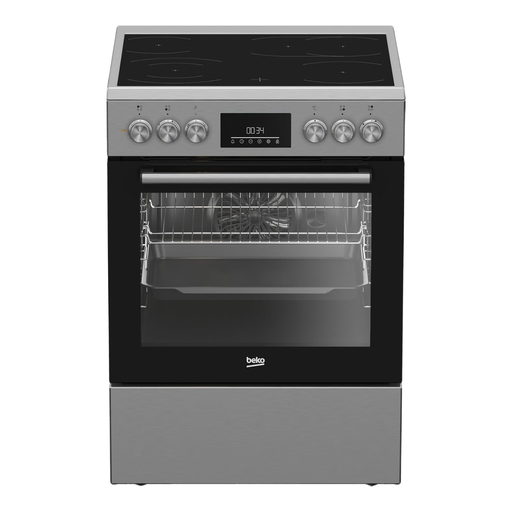
Why this model is a great fit: For those who value a cohesive and modern kitchen design. The stainless steel finish of this Beko freestanding cooker is timeless, easy to maintain, and coordinates perfectly with other stainless steel appliances.
This model combines design with functionality. It also offers the practical SteamShine steam cleaning and a flexible hob with a roaster and dual-circuit zone, so there's no compromise on performance.
The high-quality stainless steel look enhances any kitchen. Technically, it offers the same high functionality as its sister model in white, with 8 heating functions and a large oven capacity.
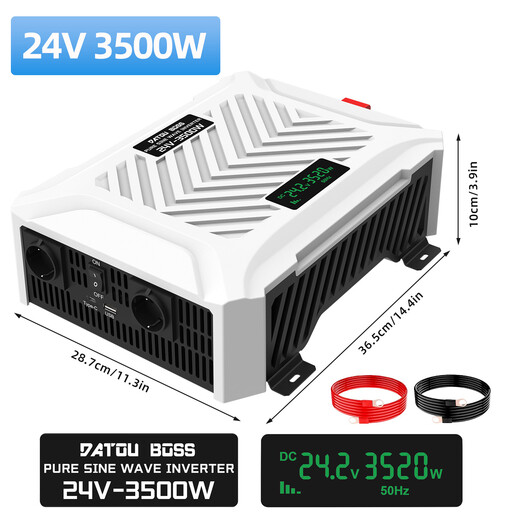
Why this product is a great fit: This isn't a cooker, but a solution for a specific use case: operating 230V appliances from a 24V battery, for example, in a truck, camper van, or a workshop without a mains connection.
It allows you to run household appliances, power tools, or even a small portable hob where only a 24V DC power source is available.
The pure sine wave delivers stable power that is also suitable for sensitive electronics. With 3500W of continuous power, it can even run high-performance devices.
We have compiled a complete, up-to-date list of products that fully meet these strict selection criteria and the German safety regulations.
Top/bottom heat is ideal for dishes that need a crust, such as roasts or cakes in a loaf pan. The heat comes specifically from the top and bottom elements. Fan cooking, where a fan circulates hot air inside the oven, is excellent for baking on multiple levels at once, as the temperature is uniform throughout. It is also often slightly more energy-efficient.
A freestanding cooker can generally be easily placed in its designated spot. However, the electrical connection (to a high-power circuit) must be carried out by a qualified electrician. This is a legal requirement and ensures that all safety standards are met to prevent risks such as short circuits or fires.
Always let the hob cool down before cleaning. Remove coarse dirt with a special glass scraper. Then, use a cleaner suitable for ceramic hobs and a soft cloth. Be sure to avoid abrasive cleaners, steel wool, or scratchy sponges, as these can permanently damage the surface.