
Lieferung heute & morgen

Qualitätsgarantie

Willkommens-Angebote freischalten: KOSTENLOSE Lieferung | Bis zu 80 % RABATT | Kostenlose 30-Tage-JoyPlus-Testphase
App herunterladen
A 60-litre bin bag doesn't automatically fit every 60-litre bin. What really matters are the dimensions, rim attachment and material thickness. If you only look at the litre capacity printed on the pack, you could end up with bags that slip off the rim, give way with damp waste, or are awkward to carry.
For private households, families of three to six people, offices, catering businesses and small commercial operations, specific product features matter far more than general marketing claims.
The "60 litre" label describes the approximate volume, not the correct shape. A tall, narrow bin needs different 60-litre bin bags than a wide 60L pedal bin. Before you buy, you should check the width, height and rim circumference of your bin.
As a rough guide: a product measuring 600 × 700 millimetres may be intended for a suitable 60-litre container. Other bin bags with a drawstring measure, for example, 64 × 71 centimetres. The actual fit depends on the bin's design and how much overhang you need at the rim.
The term tear-resistant bin bags alone doesn't tell you what waste you can put in them. Heavy, damp or sharp-edged items put more strain on the film than light packaging waste. Details such as 20 my film thickness, LDPE, HDPE or a specific maximum load capacity help you judge.
Even extra-strong bin bags are not intended for hot ash, unprotected glass shards, sharp metal parts, chemicals or construction waste. Always follow the warning labels on the packaging.
Bin bags with a drawstring can be closed and carried after filling. A fixing band, on the other hand, mainly holds the bag in place on the bin rim. These functions are not the same:
Measure the top opening of your bin and compare it with the product dimensions. For bin bags for kitchen bins, it's also important whether the rim has a tension ring, a removable inner bucket or a clamping mechanism.
With a 60-litre bin that has two compartments: a total volume of 60 litres does not mean a single 60-litre bag will fit. A model with 2 × 30 litres usually requires two smaller bags.
LDPE films are flexible and are often used for larger household bags. HDPE films can offer a different stiffness with less material. For damp waste, you should look for reinforced seams, a sturdy base and a note about liquid resistance.
The product description for the green QuickPack bags mentions 100% LDPE film, reinforced seams and an extra tear-resistant, liquid-tight design. These are verifiable features, but they don't replace sticking to the stated fill volume and load limit.
A large pack isn't automatically better value. Compare the price per bag and consider how often you'll use them. A household that disposes of waste daily needs different quantities than an office or catering business.
With the QuickPack "Waste Bin Bags 60L" model, one roll contains 20 bags; the pack described includes 18 rolls, so 360 bags in total. The white bags have a stated thickness of 20 my and have neither a drawstring nor carry handles. When lifting them out, you should therefore support the bag from underneath.
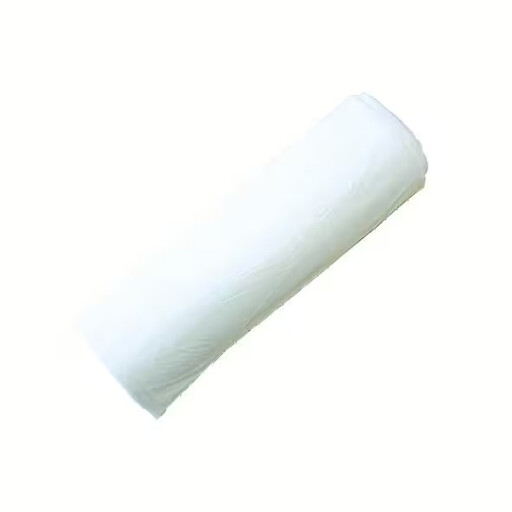
Why this product fits the profile: The bulk pack of 360 white bags is ideal for households and offices with regular usage and a fixed 60-litre waste container.
The dimensions of 600 × 700 millimetres and the stated 20-my thickness make it easy to check fit and material. Since there is no drawstring, this limitation is transparently acknowledged.
Large total quantity; stated 20-my film thickness; suitable for intended household waste.
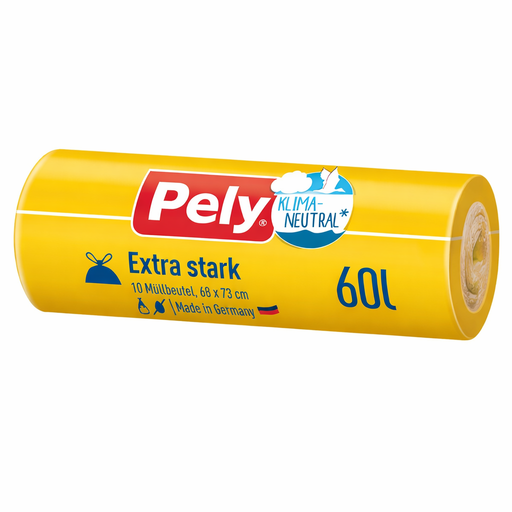
Why this product fits the profile: The integrated elastic fixing band is practical for users who want a secure fit on the bin rim and tidy removal.
The fixing band addresses the issue of the bag slipping into the inner bucket. The stated maximum load of 12 kg should still not be exceeded.
HDPE material; integrated fixing band; liquid-tight base seam according to product information.
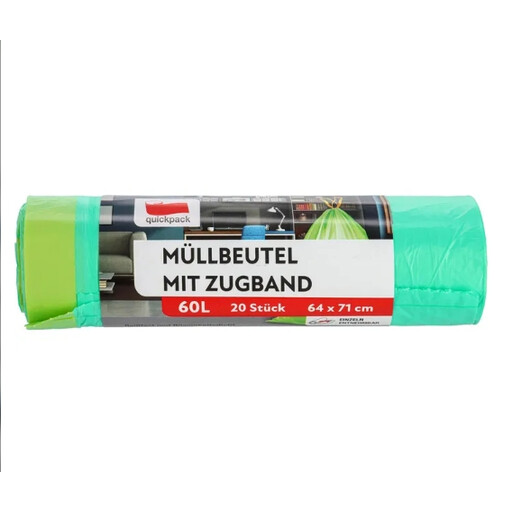
Why this product fits the profile: For catering, outdoor areas or households that change bags frequently, a drawstring can make disposal easier. The green colour can help with internal sorting, but does not replace local authority requirements.
The dimensions of 64 × 71 centimetres should be checked against your bin rim before purchase. The drawstring reduces the risk of inconvenient open disposal.
20 bags per pack; LDPE film; reinforced seams; drawstring and green colour.
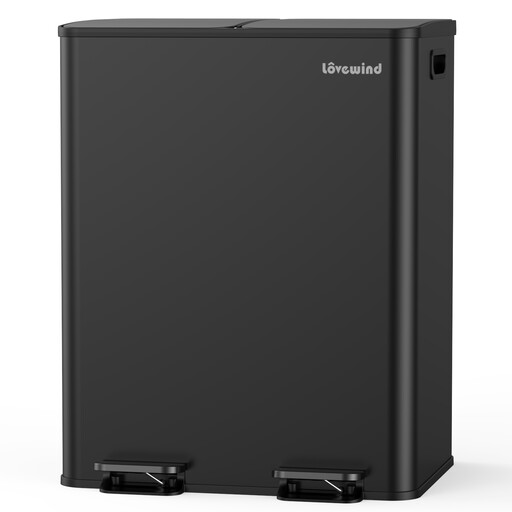
Why this product fits the profile: The 60-litre recycling bin splits the total volume into two removable 30-litre inner buckets, supporting separate waste storage.
The split into 2 × 30 litres prevents the common mistake of assuming a single 60-litre bag fits in each compartment. Fixing rings hold the bags on the inner buckets.
Two 30-litre compartments; two foot pedals; soft-close lids; removable inner buckets with bag fixing rings.
We've put together a complete, regularly updated list of products that fully meet these strict selection criteria and the safety regulations in force in the EU.
That depends on the shape of your bin. Common measurements are, for example, 60 × 70 centimetres or 64 × 71 centimetres. Measure the opening and height of your container and allow enough overhang for securing the bag.
The lifespan depends on the type of waste, moisture, weight and fill level. A bag should be changed before it becomes heavily stretched or the base is visibly strained. For heavy or damp waste, models with reinforced seams and a suitable load rating are advisable.
No. With a pedal bin or a tall kitchen container, the dimensions and rim shape must match. With a recycling bin that has 2 × 30 litres, you will usually need two bags for the smaller compartments rather than a single 60-litre bag.