
Lieferung heute & morgen

Qualitätsgarantie

Willkommens-Angebote freischalten: KOSTENLOSE Lieferung | Bis zu 80 % RABATT | Kostenlose 30-Tage-JoyPlus-Testphase
App herunterladen
A 60 cm cooker hood suits many standard hobs, making it a popular choice for rented flats, small kitchens and renovation projects. But choosing the right one involves more than just width. The design, extraction rate, filters, noise level and available connections all affect how practical it will be for everyday use.
Our selection focuses on clear product specifications and common pitfalls when buying. This makes it easier to assess marketing claims and avoid choosing the wrong model.
A figure such as 650 m³/h may seem straightforward at first. In practice, the air duct, pipe length, bends and backdraft shutter can all affect the actual extraction rate. For an extraction setup, you should also check whether there is a suitable wall vent or exhaust connection.
So, don’t compare just the maximum figure. Check the following too:
A cooker hood with recirculation and extraction offers flexibility. However, in recirculation mode, the air is returned to the room. This requires a suitable charcoal filter, which needs to be checked regularly and replaced depending on how often you use the hood. A washable metal grease filter is also important, as it captures grease particles.
When buying, check whether the charcoal filter is included or needs to be ordered separately.
An integrated cooker hood needs enough space inside the wall unit. A 60 cm canopy hood, on the other hand, is fitted under a cupboard or directly onto the wall. A 60 cm wall-mounted cooker hood needs clear space above the hob and usually a chimney cover.
Before ordering, measure the width, depth and height, along with the fixing points and the distance from the hob. Gas and electric hobs may have different minimum clearance requirements. Always follow the installation instructions and local installation requirements.
A standard width of 600 mm will often suit a 60 cm hob. However, this doesn’t automatically mean that every model will fit every cupboard. With integrated models in particular, the appliance depth and installation height are crucial.
A compact hood with a lower extraction rate may be enough for occasional cooking. If you often fry food, have an open-plan kitchen or cook intensively, several power settings and a higher stated extraction rate can be useful. Always consider these figures alongside the noise level.
If a model is described as a quiet cooker hood, check its stated dB figure. In the product data available here, maximum noise levels range from around 59 to 64 dB, for example. This gives you a more objective guide than general claims such as ‘especially quiet’.
Washable aluminium grease filters help reduce ongoing replacement costs and should be cleaned regularly. Some models have multi-layer filters that are described as dishwasher-safe. Recirculation also requires a suitable charcoal filter.
A cooker hood with LED lighting can provide extra light over the cooking area. Check whether the light and controls are listed as included in the box or in the technical specifications.
The energy efficiency rating and annual consumption provide a useful point of comparison. For example, the product details for the A+++ energy-efficient cooker hood list consumption of 9 or 12 kWh per year. These figures are based on the relevant manufacturer or product data and shouldn’t be taken as a guaranteed saving on your electricity bill.
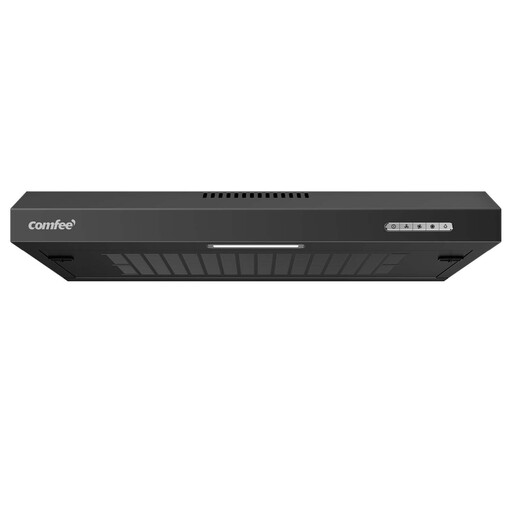
Why this product suits this profile: This compact stainless steel hood is designed for small kitchens and simple operation. It offers three power settings, LED lighting, and both recirculation and extraction modes.
The product data lists an extraction rate of 200 m³/h, three settings and the required installation height of 650 to 750 mm. This makes it easier to assess the performance realistically.
600 mm wide, with a removable aluminium filter and integrated LED lighting.
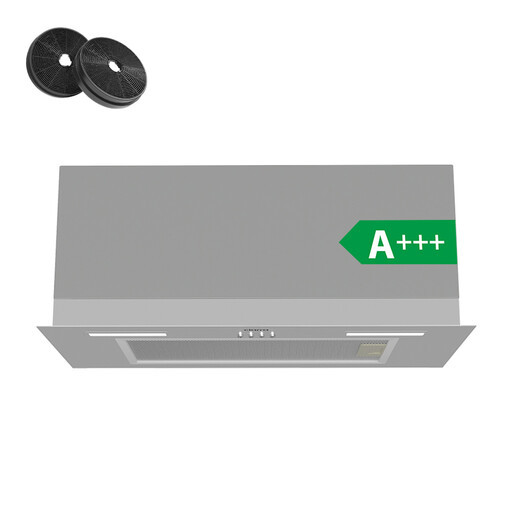
Why this product suits this profile: This built-in model fits inside a wall unit and, according to the product details, combines a maximum extraction rate of 650 m³/h with an A+++ rating and two operating modes.
The data gives the extraction rate for each setting: 373, 487 and up to 640 m³/h. It also lists a noise level of 52 to 63 dB and a washable aluminium filter.
599 mm wide, with an energy consumption of 9 kWh/a according to the product details, and compatible with CBCF003 charcoal filters in recirculation mode.

Why this product suits this profile: A good option if you’re looking for a black wall-mounted cooker hood with app and touch controls, plus four speed settings.
The manufacturer lists an extraction rate of 650 m³/h, a noise level of 59 dB, two washable aluminium filters, and the choice of recirculation or extraction. These details make it easier to check whether it’s right for you before buying.
A+++ rating according to the product data, a booster function, app control and included CBCF003 charcoal filters.
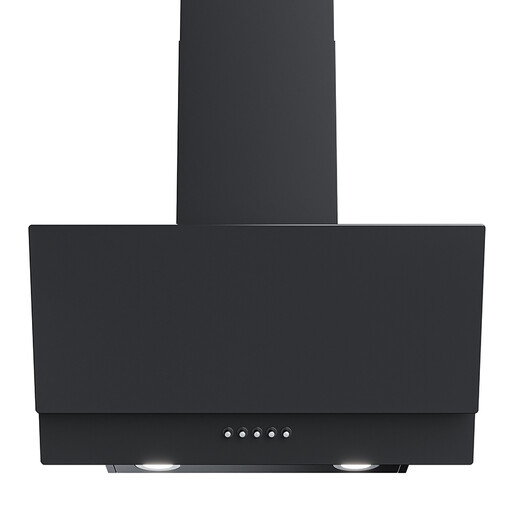
Why this product suits this profile: This black glass wall-mounted hood is a good option for households looking for a visible hood with flexible recirculation and extraction options.
The product description specifically lists the included chimney sections, bracket, exhaust accessories and charcoal filter.
An extraction rate of 300 m³/h, LED lighting, a five-layer aluminium filter and a dishwasher-safe grease filter, according to the product details.
We’ve put together a complete, regularly updated list of products that meet these strict selection criteria and fully comply with the safety regulations in force in the EU.
Before installation, check that the wall, cupboard and fixings are suitable for the weight of the hood. For extraction mode, the duct route and wall opening need to be planned and installed correctly. Follow the installation instructions, and use a qualified professional if needed.
For reliable day-to-day performance, we recommend:
It depends on the size of the room, your cooking habits and the operating mode. A lower extraction rate may be enough if you only cook occasionally. If you often fry food or have an open-plan kitchen, several settings and a higher extraction rate can be useful. The key is to make sure the extraction rate, noise level and available exhaust duct all work together.
Extraction removes odours, moisture and heat from the room and vents them outside, but it requires a suitable connection. Recirculation is more flexible for rented flats and kitchens without a wall vent. However, it requires charcoal filters, which can add ongoing costs.
There’s no single answer that applies to every cooker hood. Regular filter care, correct installation and use in line with the instructions can help keep it working well. Before buying, check the availability of replacement filters and spare parts, as well as the warranty terms.