
Lieferung heute & morgen

Qualitätsgarantie

Willkommens-Angebote freischalten: KOSTENLOSE Lieferung | Bis zu 80 % RABATT | Kostenlose 30-Tage-JoyPlus-Testphase
App herunterladen
Choosing the right extractor hood is one of the most critical decisions in kitchen design. A suitable model ensures clean air and a pleasant atmosphere while cooking. However, the market is saturated with technical specs and marketing promises that make the selection process difficult. Many buyers only realise after installation that their new appliance is too loud, not powerful enough, or comes with unexpected running costs. This guide will help you avoid the typical pitfalls and make an informed decision.
Before we dive into the technical details, let's look at the most common issues that can lead to a poor purchase.
To find the right hood, focus on the following objective criteria tailored to your kitchen and cooking habits.
This is the most fundamental decision. Many modern appliances are suitable for both modes, but the choice depends on the structural conditions of your home.
The required airflow rate depends on the size of your kitchen. A simple formula for guidance is: Room Volume (Length x Width x Height in m) x 10 = Recommended Airflow Rate in m?/h. For an open-plan kitchen, a higher value should be used.
Always pay attention to the noise level specification. Values below 60 dB on the most frequently used setting are considered relatively quiet. Models with an A+++ energy efficiency rating are often equipped with modern motors that offer a good balance between powerful performance and low noise.
The standard 60 cm width fits over most common hobs. The form factor influences both aesthetics and functionality:
Here are some models tailored to specific user profiles and their requirements.
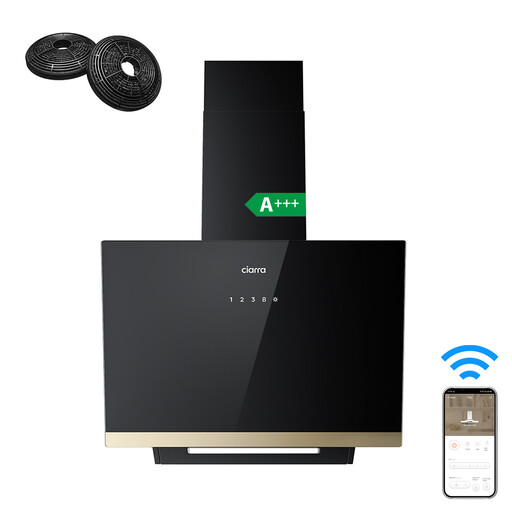
Why it's a match: Ideal for users who want to combine a modern design with smart functionality. The angled form factor and Wi-Fi app control fit perfectly into a digitised kitchen.
The model combines a high airflow rate of 650 m?/h with a moderate noise level of 58 dB and an A+++ energy efficiency rating. It resolves the conflict between performance and noise without inflating running costs.
Control via sensor touch and Wi-Fi app for maximum convenience; dimmable LED lighting with two brightness levels.
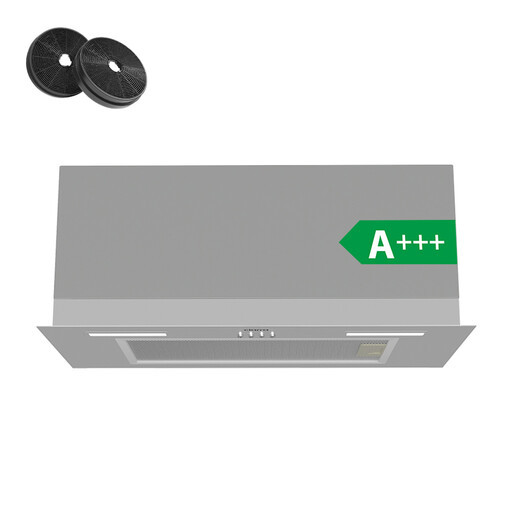
Why it's a match: Perfect for anyone seeking an invisible solution. This hood disappears completely into the upper cabinet, preserving a seamless, minimalist kitchen aesthetic.
Despite its compact design, the model offers a powerful airflow of 650 m?/h. The A+++ energy rating, with an annual consumption of just 9 kWh (according to the manufacturer), minimises running costs and avoids the trap of high follow-up expenses.
A virtually invisible design with high performance; suitable for both extraction and recirculation modes, offering maximum flexibility in kitchen planning.
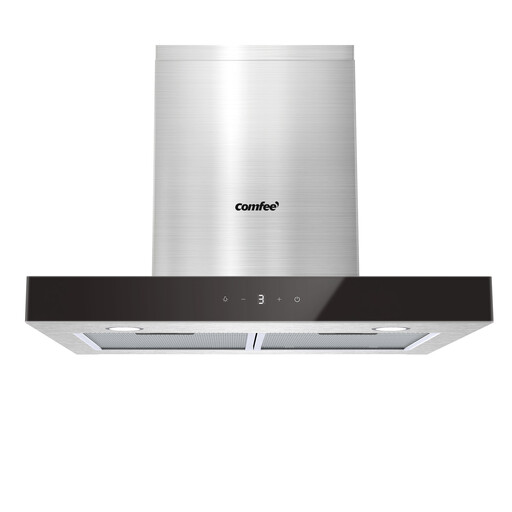
Why it's a match: For those who prioritise maximum performance, durability, and efficiency. The robust stainless steel body and powerful motor are designed for frequent and intensive cooking.
This model escapes the performance trap by combining a very high airflow rate of 650 m?/h with excellent energy efficiency (A+++) and an acceptable noise level of 59 dB. It delivers power without compromising on running costs.
Hygienic gesture control for adjusting the fan speed without touch; a dishwasher-safe 5-layer aluminium filter for easy maintenance.
We have compiled a complete, up-to-date list of products that fully meet these strict selection criteria and UK/EU safety regulations.
1. How often do you need to change the charcoal filter on a recirculation hood? Most manufacturers recommend a replacement every 3 to 6 months, depending on cooking intensity. Some modern filters are regenerable and can be reactivated in an oven, which reduces ongoing costs. Before purchasing, check the type and price of the required replacement filters.
2. Is an extraction hood always the better choice? Not necessarily. An extraction hood effectively vents moisture outside, which helps prevent mould. However, in winter, it also expels heated indoor air, which can increase energy costs. A modern recirculation hood with a high-quality activated charcoal filter and good performance can be an excellent alternative in well-insulated homes or apartments where an external wall vent is not possible.
3. What does the A+++ energy efficiency rating mean for a cooker hood? The energy efficiency rating indicates how efficiently an appliance converts electricity into performance. An A+++ cooker hood uses significantly less power for a comparable airflow rate compared to models with lower ratings (e.g., B or C). This is often achieved through brushless DC motors (BLDC), which are not only more economical but also quieter and more durable. Investing in an A+++ model can pay for itself over the years through lower electricity bills.