
Lieferung heute & morgen

Qualitätsgarantie

Willkommens-Angebote freischalten: KOSTENLOSE Lieferung | Bis zu 80 % RABATT | Kostenlose 30-Tage-JoyPlus-Testphase
App herunterladen
A 60 cm extractor hood fits many standard hobs and kitchen units. Even so, choosing the right one often leads to costly mistakes: a hood may look suitable but not match the room or your cooking habits in terms of airflow, filter technology or installation. Replacement filters also cannot be matched by width alone.
The Joybuy Product Recommendation Officer therefore focuses on clear, verifiable details such as design, airflow, operating mode, energy class, filter construction and controls.
A figure such as 611 m³/h may initially sound clear-cut. In practice, however, the extraction duct, duct length, bends and backdraught flap all affect actual performance. With recirculation, air is not directed outside. Instead, it passes through grease and activated carbon filters. This means the requirements differ from those for extraction to the outside.
A recirculating and extraction cooker hood offers greater flexibility, but operation in recirculation mode requires a suitable activated carbon filter for extractor hoods. In extraction mode, the carbon filter may not be required, depending on the model. Before buying, check whether an extraction connection is available and whether the structural requirements for a wall vent can be met.
A dirty grease filter for an extractor hood can reduce airflow. On some models, multi-layer aluminium filters can be removed and cleaned in the dishwasher. An activated carbon filter, on the other hand, is normally a consumable item and must be replaced regularly. Replacement intervals depend on usage and the manufacturer's specifications.
The term 60 cm extractor hood generally refers to the appliance width. You should also check:
A 60 cm wall-mounted extractor hood is fitted to the wall and may feature either a chimney design or an angled, head-free design. A head-free extractor hood is set at an angle and can provide a clearer view of the area in front of the hob. An under-cabinet extractor hood, on the other hand, is suitable for installation beneath a wall unit or directly under a furniture structure.
Airflow is measured in m³/h. Higher values are not automatically necessary for every kitchen, but they can be useful if you often fry food or have a larger room. For a reliable assessment, consider the room size, cooking intensity and extraction route together.
Two types of filter are relevant for recirculation:
If you buy an extractor hood with an activated carbon filter, check whether the filter is included and which replacement filters will be available later.
A class A++ extractor hood, or a hood with a corresponding energy label, can help keep electricity consumption in mind if you use it regularly. When comparing models, look beyond the energy class and consider the electrical power and duration of use as well.
A LED extractor hood usually illuminates the hob while adding little to energy consumption. Controls may include push buttons, slide switches or touch controls. Touch control panels with a digital display can be easy to read, while mechanical buttons provide direct feedback even when your hands are damp or greasy.
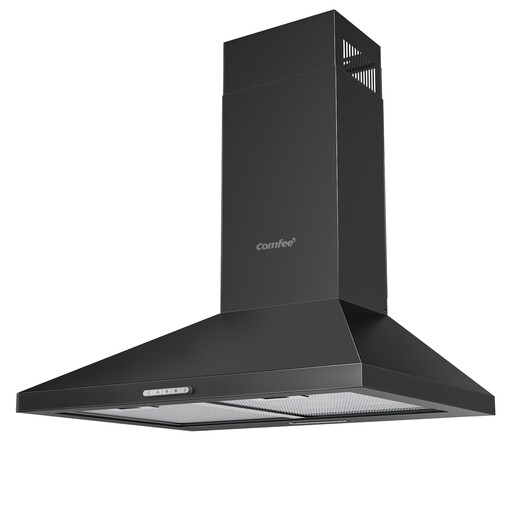
Why this product suits this profile: This black 60 cm wall-mounted hood offers 400 m³/h airflow, LED lighting, three power levels, plus recirculation and extraction modes.
Both operating modes are clearly specified, and an activated carbon filter for recirculation is listed as included.
400 m³/h airflow, LED lighting and three power levels; dimensions of 60 × 45 × 56.9 cm.
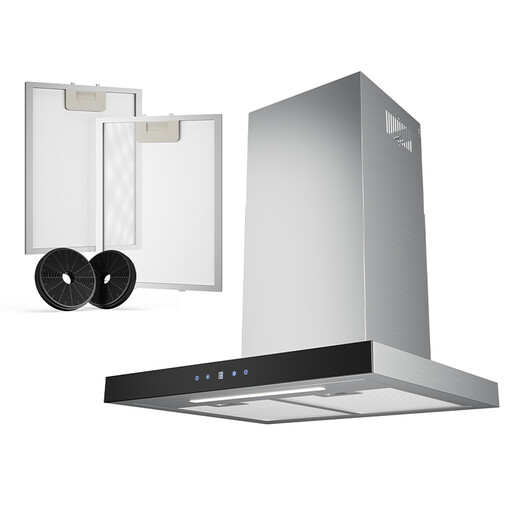
Why this product suits this profile: This stainless steel wall-mounted hood combines touch controls with a digital display and a stated airflow of 611 m³/h.
According to the product description, the five-layer aluminium grease filter is dishwasher-safe; both recirculation and extraction are supported.
Stated A++ energy class, 611 m³/h, LED lighting and an activated carbon filter included.
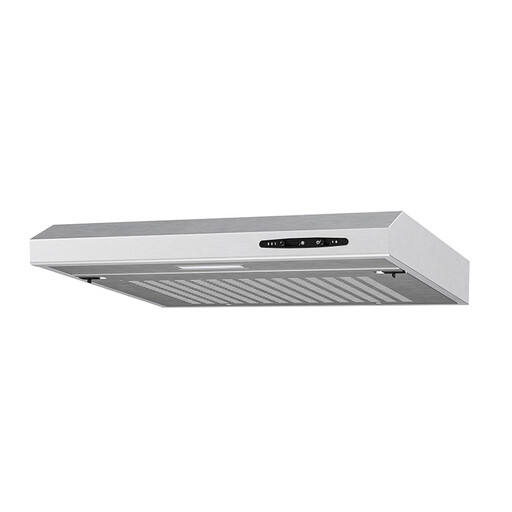
Why this product suits this profile: This under-cabinet hood does not require a separate chimney surround and is designed for kitchens with wall units or limited wall space.
The compact design reduces the risk of a wall-mounted hood with a chimney failing to fit into your existing kitchen layout.
60 cm width, three power levels, LED lighting and a stated airflow of 212 m³/h.
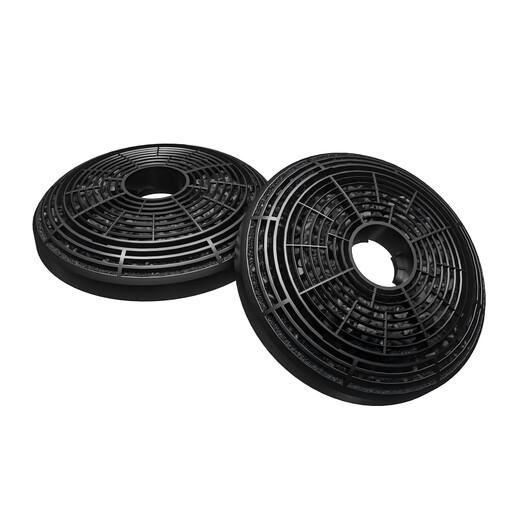
Why this product suits this profile: This filter is designed for specific Ciarra hoods and is suitable for households that regularly need replacements when using recirculation mode.
The listed compatible models and filter dimensions make it easier to check suitability before ordering. No blanket universal fit is assumed.
Two-pack, filter size 11 × 11 × 4 cm and tool-free replacement according to the product description.
We have put together a complete, regularly updated list of products that fully meet these strict selection criteria and the safety regulations applicable in the EU.
Before buying a replacement filter for an extractor hood, compare the model number, filter type and dimensions. An activated carbon filter is not automatically compatible with every 60 cm appliance. For a Ciarra hood, for example, the CBCF009 or CBCF002X2 filter may be suitable, but only for the models specified.
The grease filter in an extractor hood should be cleaned according to how often it is used. Metal filters are usually removed and cleaned with a suitable detergent or, where approved, in the dishwasher. Disposable fleece or polyester filters should be replaced according to the manufacturer's instructions and must not be washed. Disconnect the appliance from the mains before replacing or cleaning the filter.
This depends on the room size, cooking habits and extraction route. Different designs may offer airflow figures between 212 and 611 m³/h. Lower performance may be sufficient for occasional cooking, while frequent frying or long extraction routes make planning more important than focusing on a single maximum figure.
Extraction directs cooking vapour outside and requires a suitable connection. Recirculation is easier to install retrospectively, but requires a suitable activated carbon filter in addition to the grease filter. In rented homes or kitchens without a wall outlet, recirculation is often the more practical solution.
The interval depends on the model, cooking intensity and manufacturer's instructions. For the Ciarra filters mentioned above, replacement approximately every two to four months is recommended. Metal grease filters, by contrast, are cleaned and only replaced if damaged or permanently worn.