
Lieferung heute & morgen

Qualitätsgarantie

Willkommens-Angebote freischalten: KOSTENLOSE Lieferung | Bis zu 80 % RABATT | Kostenlose 30-Tage-JoyPlus-Testphase
App herunterladen
With so many models and technical specifications, the search for a new television can be a challenge. The selection is particularly vast for the popular 65-inch size, which corresponds to a screen diagonal of 164 cm. A 65-inch 4K TV offers an impressive screen real estate that is ideal for a home cinema experience, thrilling sports broadcasts, or immersive gaming.
This article serves as a guide to help you navigate your options. We'll explain the most important criteria to consider when making your choice and present a selection of models with different strengths. Our goal is to provide you with an objective basis for your purchasing decision.
Before you decide on a model, it's helpful to understand the core technological differences. Three aspects are particularly relevant: panel technology, refresh rate, and the functionality of the smart TV system.
The type of backlighting and panel technology significantly determines the picture quality, especially contrast and colour reproduction.
The refresh rate, measured in Hertz (Hz), indicates how many frames per second can be displayed on the screen.
A modern 65-inch smart TV is more than just a display. The operating system determines its user-friendliness and range of features. Platforms like Google TV, webOS (LG), or VIDAA (Hisense) offer access to a multitude of streaming apps, media libraries, and often voice control. A TV with Alexa or Google Assistant allows for convenient voice command operation. Also, look for ports like HDMI 2.1, which are necessary for 4K gaming at 120 Hz.
Here you will find a curated selection of models that cater to different needs and budgets. The descriptions are based on manufacturer specifications and are intended to provide you with an objective overview.
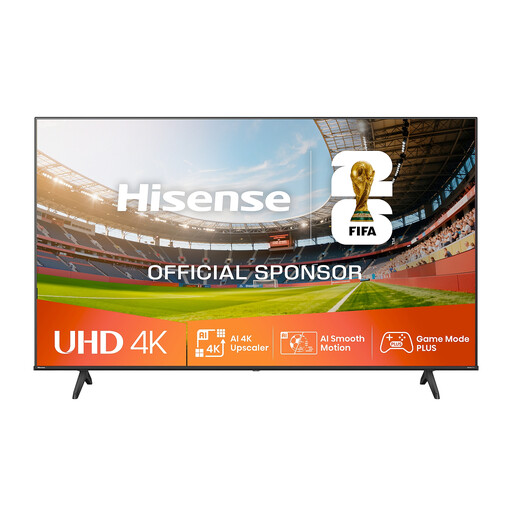
Why it stands out: The Hisense 65E6NT positions itself as an accessible UHD TV with a solid feature set for daily use. It combines 4K resolution with essential HDR formats and integrated voice control, making it a practical hub for home entertainment.
Pros:
Who it's for: This model is a great choice for budget-conscious buyers and families looking for a large 164 cm (65-inch) TV for streaming and regular television, without sacrificing modern smart features like voice control.
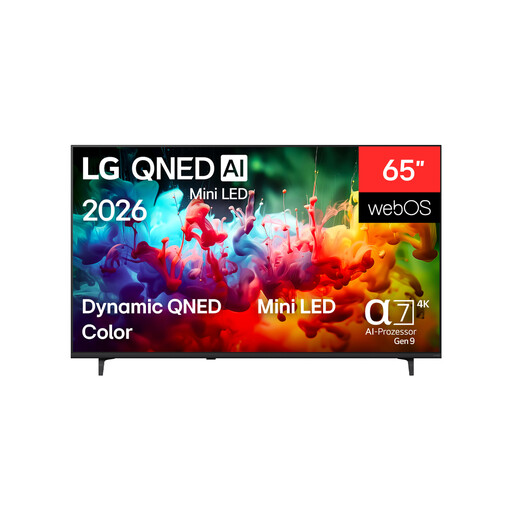
Why it stands out: The LG 65QNED72B6B uses QNED TV technology to achieve high colour accuracy and brightness. Combined with the 9th generation α7 AI Processor, which automatically optimises picture and sound, and support for a TV with Dolby Atmos, it offers a well-rounded package for film and series lovers.
Pros:
Who it's for: This device is aimed at users who value precise colour reproduction and smart picture optimisation. It's a versatile all-rounder, equally suited for home cinema and casual gaming.
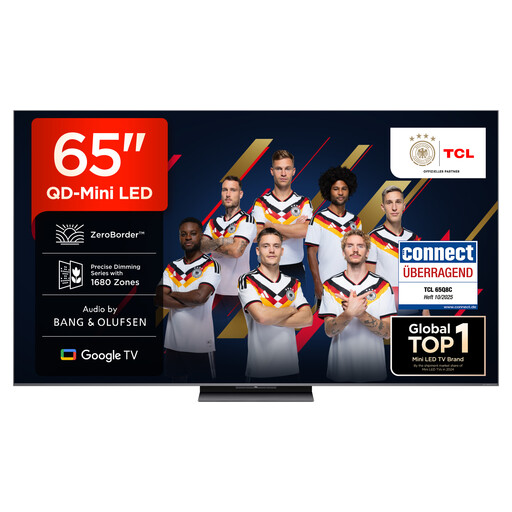
Why it stands out: The TCL 65Q8C is a high-performance Mini LED TV designed specifically for demanding users. With a 144Hz refresh rate, high peak brightness thanks to QD-Mini LED technology, and an audio system by Bang & Olufsen, it focuses on maximum performance in both picture and sound.
Pros:
Who it's for: This model is the top choice for avid gamers and home cinema enthusiasts. If you're looking for a 144Hz gaming TV and don't want to compromise on picture and sound quality, this is the device for you.
The models presented here already cover a broad spectrum. However, if you haven't found the right device for your individual needs or are looking for a specific UHD TV deal, it's worth taking a look at our entire range.
Explore our full range of UHD 4K TVs.
A television with a 65-inch screen diagonal has a diagonal of approximately 164 cm. The exact dimensions of the device, including the frame and stand, vary by manufacturer and model.
No, not necessarily. A 144Hz refresh rate is primarily relevant for competitive PC and console gamers, as it allows for an extremely fluid and responsive display. For watching movies, series, and regular TV, a standard 60 Hz refresh rate is generally sufficient.
A TV with Dolby Atmos is capable of creating a three-dimensional sound field. Unlike traditional surround sound, Dolby Atmos can place individual sound objects precisely in space, including above the viewer's head. This creates a much more immersive audio experience that draws you deeper into the on-screen action.