
Lieferung heute & morgen

Qualitätsgarantie

Willkommens-Angebote freischalten: KOSTENLOSE Lieferung | Bis zu 80 % RABATT | Kostenlose 30-Tage-JoyPlus-Testphase
App herunterladen
Investing in a personal charging station for your electric car is a decisive step towards greater convenience and independence. However, the market for home charging stations is crowded and confusing, and not every touted feature is worth the premium. The wrong choice can lead to unnecessary costs, compatibility issues, or a lack of essential everyday functions. This guide will help you understand the key criteria and make an informed decision on the right 7 kW wallbox for your needs.
Before you decide on a model, it's important to know the typical mistakes that often lead to dissatisfaction. Proactive planning can save you from a poor investment.
To find the right home charging station, focus on the technical features that are essential for safe and efficient operation.
A charging power of 7 kW (or more precisely, 7.4 kW) is achieved via a single-phase, 32-amp connection. This offers a good compromise between charging speed and installation complexity. A typical electric car with a 60 kWh battery can be fully charged in about 8 hours, which is ideal for overnight charging. In Germany, all wallboxes must be registered with the grid operator before they are put into operation.
The Type 2 charging station connector (also known as the Mennekes connector) is the European standard and is compatible with virtually all electric vehicles and plug-in hybrids sold in the region. Look for integrated safety features like residual current protection (DC fault current detection) and mechanisms to guard against overheating, overvoltage, and short circuits. A high IP rating (e.g., IP65) also ensures the wallbox is weatherproof and suitable for outdoor installation (e.g., in a carport).
Modern wallboxes offer smart features that make daily life easier.
Based on the criteria mentioned, we have identified a few models that are well-suited for different needs.
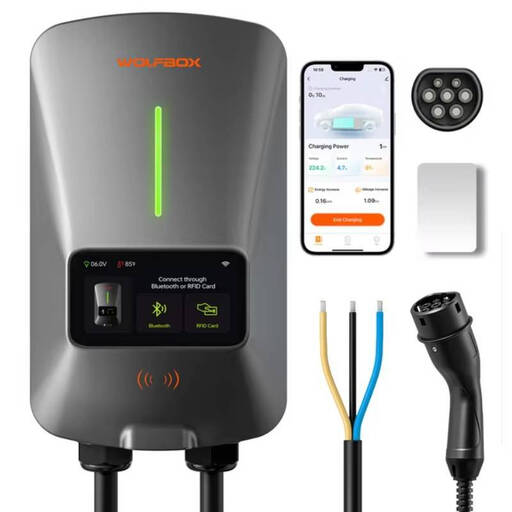
Why This Fits Their Persona: Ideal for users who demand full transparency at all times. The integrated LCD display shows the charging status, current, and voltage in real-time, without needing to open an app. Perfect for anyone who likes to keep a close eye on all the data.
This model combines smart app control with a physical display, bypassing the lack of transparency found in basic chargers. You get full control and oversight, both digitally and directly on the device.
A combination of an LCD screen for instant data, app control for remote access, and RFID cards for secure authorisation.
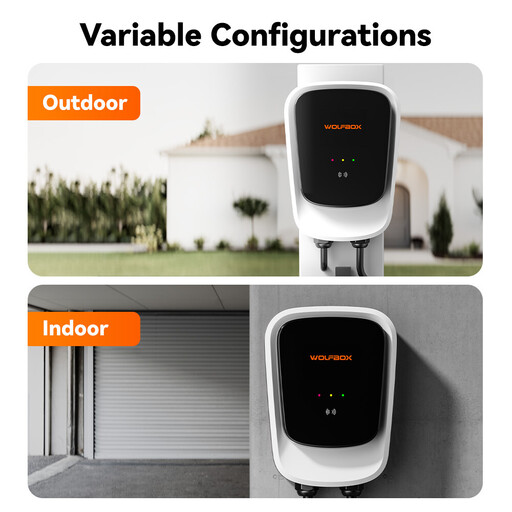
Why This Fits Their Persona: Suited for users who prefer an unobtrusive design and want to control all functions exclusively via their smartphone. The absence of a display creates a clean look that integrates seamlessly into a modern garage or home exterior.
This model offers future-proof smart features (app, RFID) without the visual clutter of extra hardware on the unit. You don't pay for a display if you prefer to manage everything via the app anyway.
Sleek, screenless design for a minimalist aesthetic. Full functionality via app control and RFID access control.
Why This Fits Their Persona: For households with multiple drivers or an accessible parking space, access control is crucial. The included RFID cards ensure that only authorised individuals can use the charging station. This prevents unauthorised use by third parties and allows for clear allocation of charging sessions.
Directly solves the problem of unauthorised access, an often-overlooked pitfall for installations in carports or shared garages. You maintain full control over your energy costs.
Secure access control via RFID cards to prevent unauthorised use and to easily manage multiple users.
We have compiled a complete, up-to-date list of products that fully meet these strict selection criteria and stringent safety regulations.
1. Does a 7 kW wallbox need to be registered with the grid operator? Yes, in Germany, all charging devices for electric vehicles, regardless of their power output, must be registered with the responsible grid operator before being put into operation. Charging devices with a power output of more than 11 kW also require formal approval. The registration is typically handled by the certified electrical contractor performing the installation.
2. How fast will a 7 kW wallbox charge my EV? The exact charging time depends on your vehicle's battery capacity. A home EV charging station with 7.4 kW (single-phase, 32 A) can deliver about 7.4 kWh of energy per hour. A vehicle with a 60 kWh battery would theoretically take around 8 hours to charge fully (from 0 to 100%), which is perfect for overnight charging.
3. Can I install a wallbox myself? No. Installing a wallbox is a major modification to your home's electrical system and, for safety and warranty reasons, must be performed by a qualified electrical contractor. They will ensure that the installation complies with all applicable standards and regulations and does not overload your electrical system.