
Lieferung heute & morgen

Qualitätsgarantie

Willkommens-Angebote freischalten: KOSTENLOSE Lieferung | Bis zu 80 % RABATT | Kostenlose 30-Tage-JoyPlus-Testphase
App herunterladen
The search for the right mattress can quickly become overwhelming. Especially with 7-zone cold foam mattresses, manufacturers advertise numerous features that promise restful sleep. But not every mattress delivers on its promise. Many buyers invest in a product that fails to improve their sleep quality or even leads to new aches and pains. As your Joybuy Product Recommendation Officer, I'll help you identify the crucial features and navigate common buying traps.
Before you make a decision, you should be aware of the most common marketing claims that often obscure more than they clarify.
To make an informed decision, focus on the following objective parameters.
The firmness level indicates how firm or soft a mattress is. The most common levels are H2 and H3. As a rule of thumb:
Some bed-in-a-box mattresses even offer two firmness levels in one product, simply by flipping it over. This is a practical solution for couples with different weight profiles or for anyone unsure about which firmness level to choose.
A true orthopaedic mattress with 7 zones is more than just a marketing term. The sleeping surface is divided into seven sections of varying firmness to support and relieve the body in all the right places. A typical layout looks like this:
Ensure the zones are created through specific cuts or varying foam densities, not just printed on the surface.
Good sleep is also a matter of health and hygiene. Here are two essential features:
Here are a few models that represent a smart choice for different user profiles, based on objective criteria.
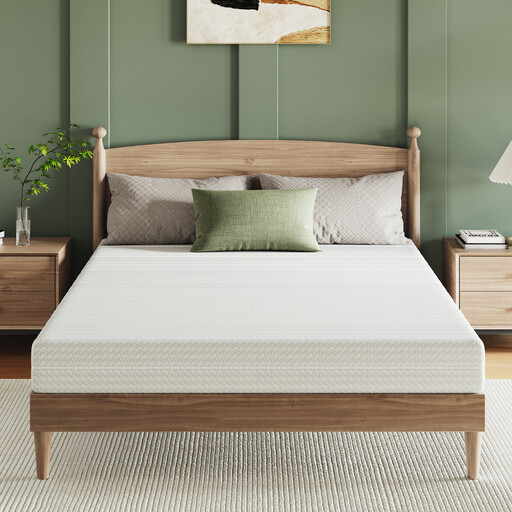
Why This Fits Their Persona: This model offers essential ergonomic features like a 7-zone structure and certified materials at an accessible price point. Ideal for a first bed, a guest room, or when working with a tight budget.
It bypasses the "one-size-fits-all" firmness trap by offering clear options (H2/H3) and focusing on functional zoning rather than just high foam density.
Certified materials (Oeko-Tex, CertiPUR-US) and a cover washable at 60°C ensure a hygienic and healthy sleep experience.
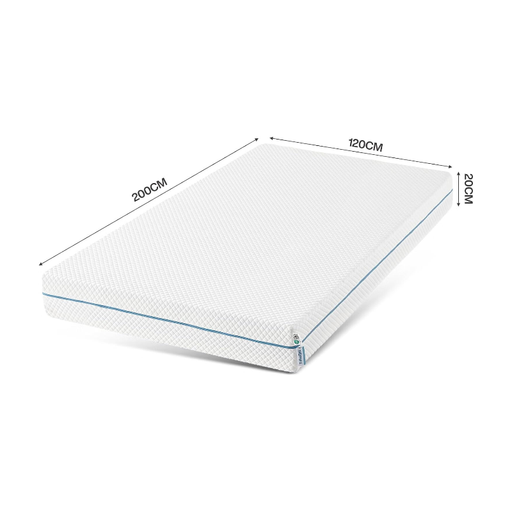
Why This Fits Their Persona: The S-shaped ergonomic module design is specifically engineered to adapt to body contours. It provides targeted relief for the typical pressure points of side sleepers (shoulders and hips) and promotes proper spinal alignment.
Instead of generic zoning, this model offers a specific, thoughtful design that directly addresses the needs of side sleepers—a problem standard mattresses often overlook.
The S-shaped ergonomic keel design provides targeted pressure relief. The Lyocell cover helps maintain a comfortable and dry sleep climate.
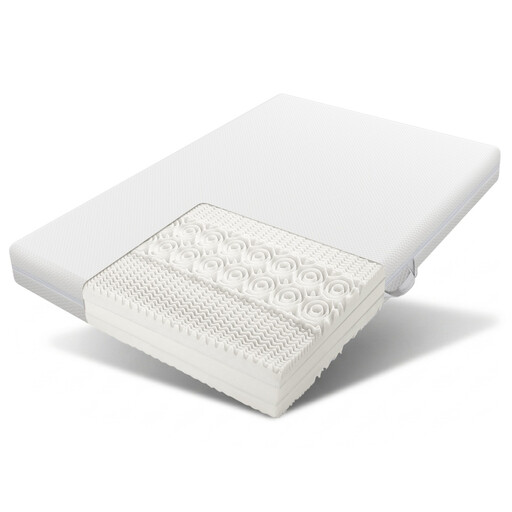
Why This Fits Their Persona: As a flippable mattress with two different firmness levels (H2 and H3), it offers maximum flexibility. Ideal for couples with different comfort preferences or for shoppers who are unsure about the right firmness.
This model directly solves the "one-size-fits-all" problem by combining two options in one product. Users can test and decide what works for them, eliminating the risk of a purchase mistake.
A flippable mattress with two firmness levels (H2 & H3) and a special cube-cut technology ensure optimised body contouring and flexibility.
We have compiled a complete, up-to-date list of products that fully meet these strict selection criteria and all relevant safety standards.
A bed-in-a-box mattress is vacuum-sealed and rolled for transport. After unboxing, it typically needs 24 to 48 hours to fully expand and reach its final shape and firmness. It is recommended to let it expand in a well-ventilated room and wait this period before the first use.
To ensure even wear and extend its lifespan, it is advisable to flip a cold foam mattress every three to six months (if it's a flippable mattress with different comfort sides) or rotate it (from head to foot). However, some modern mattresses are designed so they don't need to be rotated. Always check the manufacturer's instructions.
Stomach sleepers need a mattress that provides sufficient support in the pelvic area to prevent the lower back from arching. A 7-zone cold foam mattress can be suitable if it has a firmer level (e.g., H3) and a pronounced support zone in the lumbar and pelvic region. A mattress that is too soft is generally not recommended for stomach sleepers.