
Lieferung heute & morgen

Qualitätsgarantie
App herunterladen
Kategorien
A 7-zone cold foam mattress is engineered to provide ergonomic support to specific points of the body. The structure of such a mattress aims to promote an anatomically correct sleeping posture by offering targeted relief to different body areas like the shoulders and pelvis, while supporting others, such as the lumbar spine. The selection of the right model depends on individual factors like body weight, preferred sleeping position, and personal requirements for comfort and hygiene. This article analyses the technical criteria relevant to choosing a 7-zone cold foam mattress.
The decision to purchase a mattress should be based on an analysis of objective product features. The following criteria are important when selecting a 7-zone cold foam mattress.
A 7-zone structure divides the mattress into seven transverse segments, each tailored to a specific part of the body. The typical layout includes:
This zoning provides pressure relief and promotes the straight alignment of the spine.
Cold foam is a polyurethane foam known for its high point elasticity and open-pore structure. These properties allow it to conform well to the body's contours and ensure high breathability.
Gel foam, often used as the top layer, combines the properties of memory foam and cold foam. It reacts to pressure and heat, adapts to the body, and offers pronounced pressure relief. A gel foam mattress can also have a temperature-regulating effect, promoting a cooler sleeping climate.
The firmness level indicates how firm a mattress is. The most common firmness levels are:
Some models offer two firmness levels in one product as a reversible mattress. By simply flipping the mattress, you can switch between H2 and H3, allowing for flexible adaptation to changing needs or preferences.
For individuals with high hygiene standards or allergies, certain features are crucial. A removable cover that is washable at a minimum of 40°C is standard for a low-maintenance mattress for allergy sufferers.
Certificates like the Oeko-Tex Standard 100 indicate that the textiles used have been tested for harmful substances. This is an indicator of the materials' health safety.
Based on technical specifications and product features, we present a few models here.
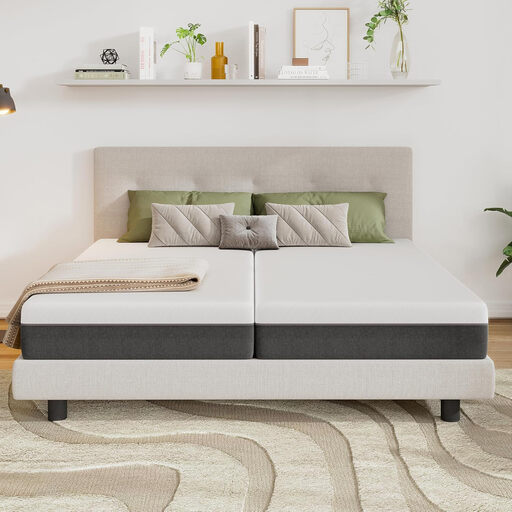
Why we recommend this product: This model combines a three-layer foam structure with ergonomic 7-zone support. The top layer of gel foam enhances breathability, while the supportive base foam provides stability. The H3 firmness level is aimed at individuals who prefer a firmer sleeping surface.
Advantages:
Who it's for: Individuals and couples who want a wide sleeping surface (180x200 cm) and a firm, pressure-relieving mattress with good air circulation. Suitable for back, side, and stomach sleepers.
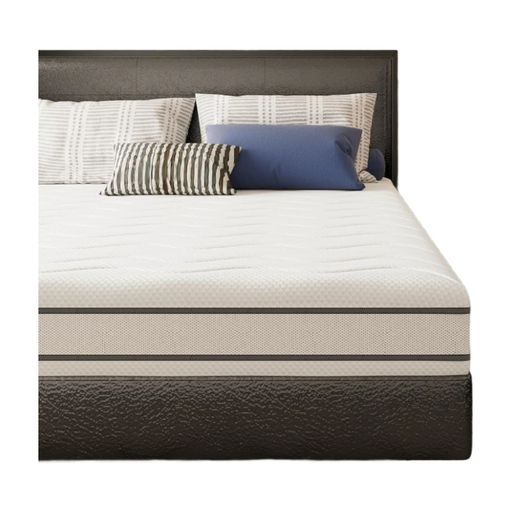
Why we recommend this product: The special feature of this mattress is its function as a reversible mattress. It offers two firmness levels (H2 and H3 firmness mattress) in one product. Users can choose between a medium-firm and a softer side depending on their preference. The combination of Gel-Air foam and supportive polyurethane foam aims for temperature regulation and support.
Advantages:
Who it's for: Undecided buyers or individuals whose comfort preferences may change. Ideal for single sleepers looking for a flexible and breathable mattress in the standard 100x200 cm size.
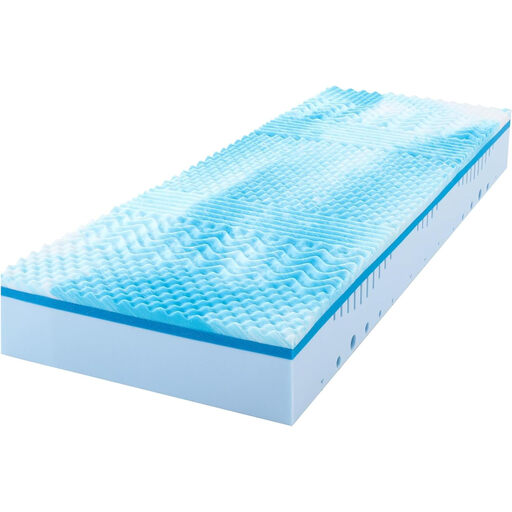
Why we recommend this product: This model stands out with its 22 cm height and an innovative 3-layer foam system (Aircell, CoolFlex, Responsive Support). The 7 comfort zones are designed for precise body contouring. The cover contains Lyocell and recycled polyester and is equipped with a technology based on avocado oil.
Advantages:
Who it's for: Individuals seeking a taller mattress with advanced foam technology and a focus on body contouring. Its features make it appealing for all body types and sleeping positions.
While cold foam mattresses are valued for their point elasticity and breathability, other material combinations exist. A hybrid foam mattress, for example, combines foam layers with an innerspring core. This construction can unite the advantages of both systems: the pressure relief of foam and the dynamic support and ventilation of a spring core. For those considering an alternative to all-foam mattresses, this category can offer interesting options.
What does "7 zones" mean in a cold foam mattress? The term "7 zones" refers to the division of the mattress surface into seven areas of varying firmness. Each area is designed to optimally support or relieve a specific body part (e.g., shoulders, lumbar, pelvis) to keep the spine in a straight, ergonomically correct position.
Which firmness level, H2 or H3, is right for me? The firmness level should primarily be chosen based on body weight. As a general guideline: H2 (medium) is suitable for people up to approx. 80 kg, while H3 (firm) is recommended for people over 80 kg. Personal preference for a softer or firmer feel also plays a role. Reversible mattresses with both firmness levels offer flexibility here.
How important is the Oeko-Tex certification for a mattress? The Oeko-Tex Standard 100 is an independent testing and certification system for textile products. A certification signals that all components of the product (foam, cover, threads) have been tested against a list of harmful substances and comply with the limits. For health-conscious buyers and allergy sufferers, this is an important quality mark.