
Lieferung heute & morgen

Qualitätsgarantie

Willkommens-Angebote freischalten: KOSTENLOSE Lieferung | Bis zu 80 % RABATT | Kostenlose 30-Tage-JoyPlus-Testphase
App herunterladen
A 7-zone cold foam mattress can be a practical solution for bedrooms, guest rooms, children's rooms or divan beds. However, the fact that a mattress is divided into seven zones does not automatically make it the right choice. Important factors include the actual height, firmness rating, material certifications, care properties and the correct size.
If you focus only on terms such as “orthopaedic mattress”, “ergonomic mattress” or “pressure-relieving mattress”, you may overlook important details. Our selection highlights which specifications you should check before buying and which models suit different requirements.
The zoning is intended to support different areas of the body, such as the shoulders, pelvis and legs, in different ways. However, it does not replace checking your body weight, sleeping position and personal comfort preferences. A mattress for back and side sleepers can feel different depending on its firmness rating. Front sleepers should pay particular attention to ensuring that the pelvis does not sink too deeply.
H2 and H3 ratings provide guidance, but they are not fully standardised. An H3 cold foam mattress may feel firmer or softer depending on the manufacturer. It is therefore important to look for additional information about foam density, mattress height, construction and maximum load capacity.
Some models offer two sides with different firmness ratings. This can be useful if you are not yet certain which level of firmness you prefer. However, the product description should clearly explain which side corresponds to each firmness rating.
An open-cell foam structure can help improve air circulation. However, the bed frame, slatted base, room temperature, duvet and mattress protector also affect the sleeping climate. A breathable mattress should therefore not be placed directly on the floor. The base must be sufficiently ventilated and suitable for the mattress.
The sleeping surface must fit the bed exactly. Commonly searched-for sizes include:
It is also worth checking the height. Models measuring 12 to 14 cm are comparatively lightweight and may be suitable for guest rooms or children's rooms. A mattress measuring 20 to 22 cm in height often makes getting up easier, but requires a suitable bed frame and is usually more difficult to turn.
H2 is generally described as medium, while H3 is described as medium-firm. These descriptions should always be checked against the manufacturer's load-capacity specifications. For side and back sleepers, shoulder and pelvic areas with different levels of give may be important. Front sleepers should look for a stable surface.
An ergonomic mattress can accommodate the contours of the body through different zones and foam densities. By contrast, the term “orthopaedic mattress” is not a consistent, legally protected quality feature. If you already suffer from back problems, choosing a product is not a substitute for medical advice.
A washable cover with a zip makes regular cleaning easier. The models listed here are specified as having covers that can be washed at up to 60 °C. Nevertheless, always check the care label and operating instructions before washing. The mattress core generally must not be cleaned in a washing machine.
An OEKO-TEX-certified mattress indicates that the textile has undergone the relevant testing in accordance with the applicable certification standard. CertiPUR-US is also specified for the foam in some models. Certifications should always relate to the specific product, rather than simply to the brand in general.
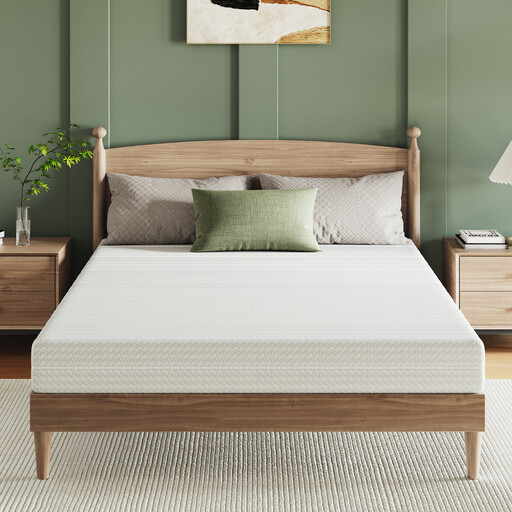
Why this product suits this profile: The 90 x 200 cm format is suitable for single beds, guest rooms or compact sleeping areas. H2 and H3 firmness options, together with a washable cover, give you flexibility when it comes to comfort and care.
The product details specify the size, firmness options, maximum load capacity and a cover that can be washed at up to 60 °C. This allows you to compare the key buying criteria in advance.
7-zone cold foam, an open-cell structure, OEKO-TEX and CertiPUR-US specifications, plus rolled delivery.
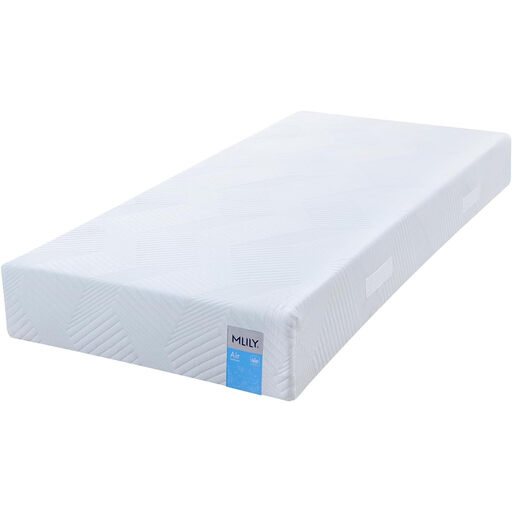
Why this product suits this profile: The 160 x 200 cm format is suitable for couples. Its three-layer construction combines comfort foam, AirCell and CoolFlex gel foam, while the cover is made from a recycled Seaqual material blend.
The material layers and certifications are clearly specified. The cover is certified to OEKO-TEX and CertiPUR standards, while care should follow the manufacturer's instructions.
Seven comfort zones, 18 cm height, medium-firm construction and a cover made from recycled materials.
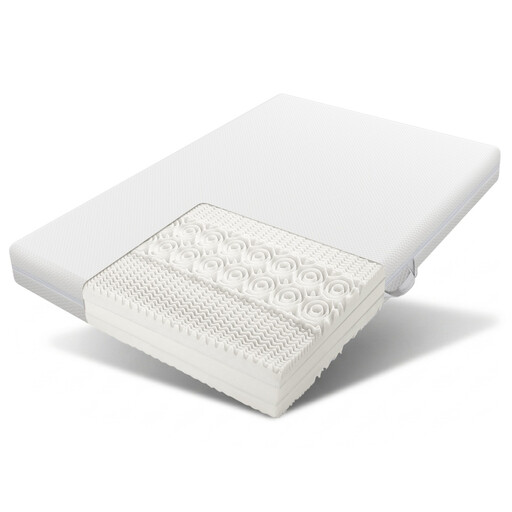
Why this product suits this profile: For 180 x 200 cm double beds, this model offers two firmness options in one mattress. Handles, an all-round zip and a climate-regulating cover support regular use.
The specifications distinguish between the mattress core and the washable cover. They also describe the load capacity, expansion time of 24 to 48 hours and the correct underside.
20 cm height, seven zones, H2/H3 reversible sides, handles and a cover that can be washed at up to 60 °C.
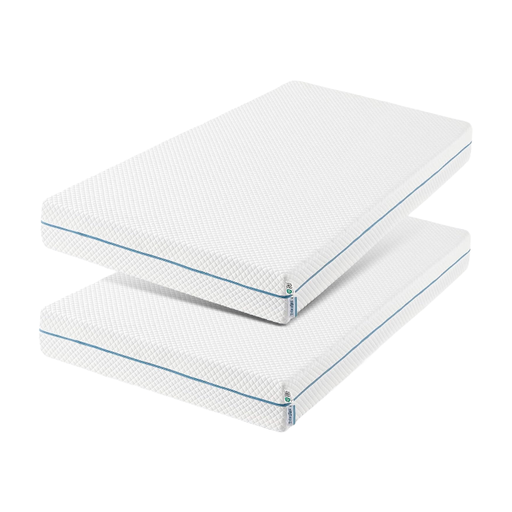
Why this product suits this profile: Two 90 x 200 cm mattresses are suitable for a double bed with separate sleeping surfaces or for two single beds. The Lyocell cover is removable and washable at up to 60 °C.
The set format makes the number of mattresses required clear. The specifications also state H3, a maximum load capacity of 150 kg per mattress and care instructions for the removable cover.
Two mattresses, 20 cm height, seven ergonomic zones, a Lyocell cover and a stated 100-night trial period.
We have put together a complete, regularly updated list of products that fully meet these strict selection criteria and the safety regulations applicable in the EU.
A rolled mattress is delivered vacuum-packed and needs time to expand fully after opening. Depending on the model, the stated expansion time is between 24 and 72 hours. During this time, the mattress should lie in a well-ventilated room. Only then can you assess whether it has reached its correct dimensions and shape.
Please also note:
Many models need 24 to 48 hours, while some products require at least 72 hours. The specific manufacturer's instructions always take precedence. Adequate ventilation after unpacking is advisable before using the mattress for the first time.
This depends on body weight, sleeping position and personal preference. Side sleepers often look for a more yielding shoulder and pelvic area, while back sleepers may prefer even support. The firmness rating should be compared with the load capacity and construction of the specific model.
A removable cover with a zip makes cleaning easier. Some of the selected products specify that the cover can be machine-washed at up to 60 °C. You should also use a suitable mattress protector and air the sleeping area regularly. The foam core itself must not be washed.