
Lieferung heute & morgen

Qualitätsgarantie

Willkommens-Angebote freischalten: KOSTENLOSE Lieferung | Bis zu 80 % RABATT | Kostenlose 30-Tage-JoyPlus-Testphase
App herunterladen
By the Joybuy Product Recommendation Officer, July 28, 2026
The search for a new mattress can quickly become overwhelming. Especially with 7-zone cold foam mattresses, manufacturers advertise numerous features that promise a restful night's sleep. But not every mattress labelled "orthopaedic" delivers on its promise. Many buyers invest in a model that fails to solve their sleep problems, such as back pain or night sweats. This guide will show you which pitfalls to watch out for and which technical features truly matter.
Before you make a decision, it's crucial to distinguish between common marketing promises and actual product features. Two mistakes in particular often lead to the wrong choice:
To make an informed decision, you should focus on three verifiable criteria. These are the key determinants of comfort, durability, and suitability for your individual needs.
A 7-zone cold foam mattress is designed to support the body in the right places and yield in others. The zones are typically aligned with the head, shoulders, lumbar region, pelvis, thighs, lower legs, and feet.
The firmness level is just as crucial and should be chosen based on body weight:
Although the focus here is on cold foam, it's helpful to know the difference.
Look for recognised seals that confirm the absence of harmful substances and the quality of the materials.
Based on the criteria above, we have identified a few models that are well-suited for different user profiles.
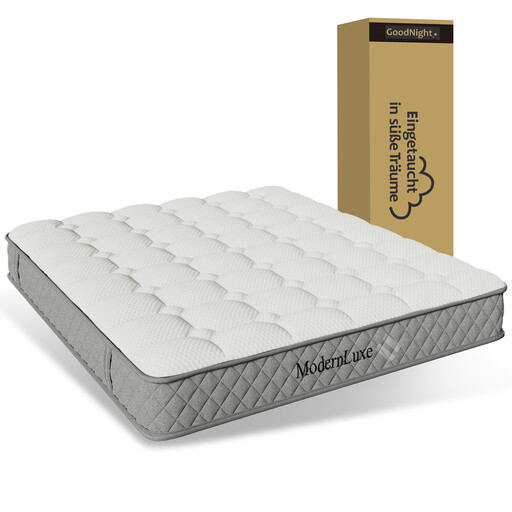
Why This Fits Their Persona: This hybrid model in the 180x200 mattress size combines the best of both worlds. The pocket spring core provides excellent motion isolation, so restless sleepers won't disturb their partner. The cold foam layer offers the necessary comfort and pressure relief.
Instead of a vague promise, it delivers a concrete 7-zone structure with an H3 firmness level and a core of 868 pocket springs, which ensures breathability and prevents heat buildup.
Excellent motion isolation thanks to individually wrapped springs. OEKO-TEX certified materials and practical carrying handles.
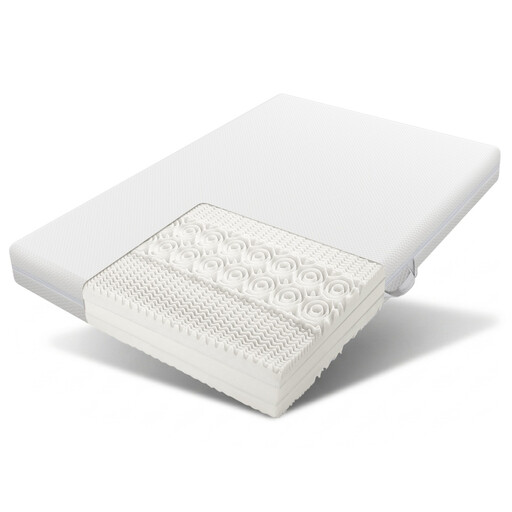
Why This Fits Their Persona: Anyone who is unsure about the right firmness level or is looking for a mattress for back pain will benefit from this reversible model. It offers two firmness levels (H2 and H3) in one mattress. The special cube-cut technology ensures an ergonomically correct spinal alignment.
It bypasses the "orthopaedic" myth with a verifiable technical solution: the cube-cut technique for targeted relief. The washable cover (at 60°C) and climate-fibre quilting also address the hygiene and breathability pitfalls.
Two firmness levels in one mattress for maximum flexibility. Very good ventilation due to the cube-cut design and breathable cover.
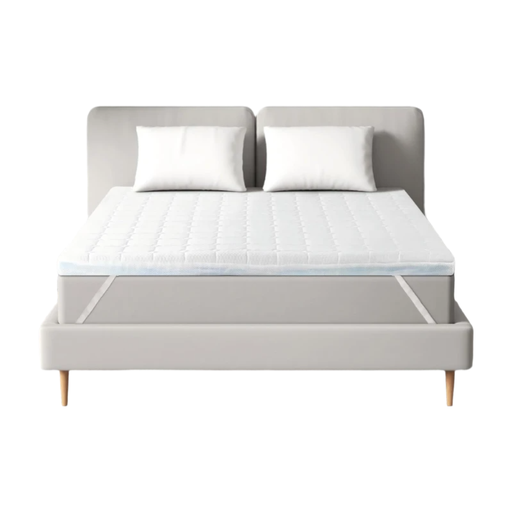
Why This Fits Their Persona: For anyone whose mattress is still in good condition but is too firm or uncomfortable, this topper is a cost-effective solution. It upgrades an existing mattress with a 7-zone structure and instantly improves sleeping comfort without the need to buy a completely new mattress.
This topper provides targeted 7-zone support, bypassing the need for an expensive new purchase. The removable cover and mesh fabric ensure breathability and hygiene.
Cost-effective upgrade for your existing mattress. Certified quality (Oeko-Tex Standard 100, CertiPUR) and an anti-slip system.
We have compiled a complete, up-to-date list of products that fully meet these strict selection criteria and German safety regulations.
A mattress delivered as a rolled mattress typically needs 24 to 72 hours to reach its full size and shape. It's important to lay it flat in a well-ventilated room and give it this time before use. Read the manufacturer's instructions carefully, as the exact duration can vary.
The choice of firmness level primarily depends on your body weight and preferred sleeping position. As a rule of thumb: