
Lieferung heute & morgen

Qualitätsgarantie

Willkommens-Angebote freischalten: KOSTENLOSE Lieferung | Bis zu 80 % RABATT | Kostenlose 30-Tage-JoyPlus-Testphase
App herunterladen
The search for the right mattress can quickly become overwhelming. Especially with 7-zone pocket spring mattresses, manufacturers advertise numerous features that promise a restful night's sleep. But not all promises live up to their claims. Many buyers invest in a product that doesn't meet their needs. As your Joybuy Product Recommendation Officer, I'll help you identify the crucial criteria and avoid common purchasing traps.
Before we dive into the important features, let's shed light on the three most common problems that can lead to a bad purchase:
To make an informed decision, you should closely examine three core technical aspects of a hybrid mattress—the combination of a spring core and a foam top layer.
The heart of the mattress is its spring core. Here, the construction is key:
For ergonomic support, especially for those with back pain, a pocket spring core is the more functional choice.
The comfort layer lies above the spring core and significantly defines the mattress's feel.
A breathable mattress is crucial for a dry and hygienic sleeping environment. A combination of a pocket spring core (which ensures air circulation within the core) and a gel foam or cold foam topper is an excellent solution.
The outer cover of the mattress has direct skin contact and influences the microclimate in your bed.
A total height of around 25 cm often indicates a multi-layered, high-quality construction that promises durability and comfort.
Here are some models that are suitable for specific user profiles based on objective features.
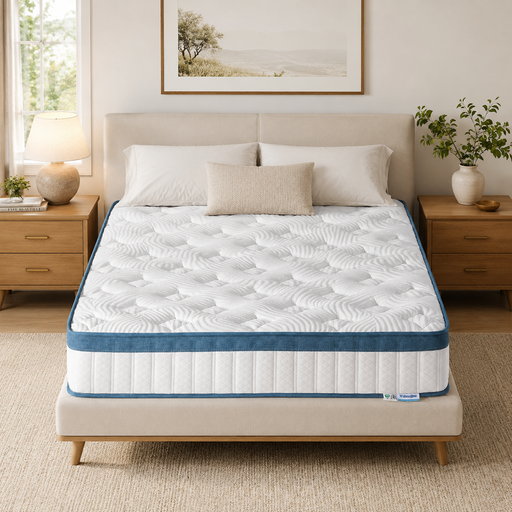
Why This Fits Their Persona: Couples where one partner moves frequently at night need a mattress that doesn't transfer motion to the other side. This model is designed for that.
The individually wrapped pocket springs effectively isolate motion. Meanwhile, the breathable Tencel cover counteracts the heat retention risk of the gel foam layer.
Excellent motion isolation and a height of 25 cm for stable comfort. The H3 firmness level is suitable for a wide range of body weights.
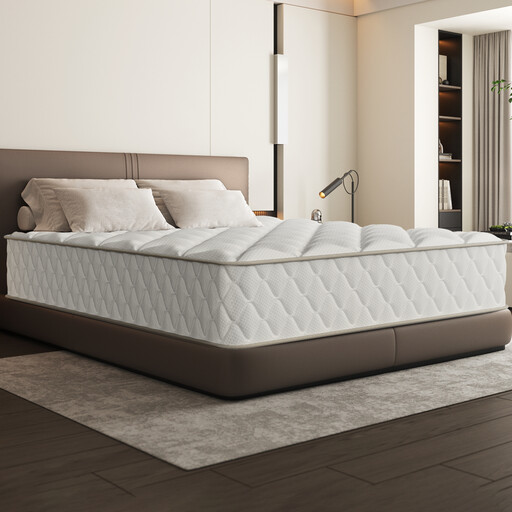
Why This Fits Their Persona: Those looking for noticeable back support on a limited budget need a model that focuses on core functions.
This model bypasses the "orthopaedic" myth by offering a clearly defined 7-zone system for targeted support from head to toe, rather than just advertising the term.
Combines an orthopaedic 7-zone structure with an H3 firmness level for stable, back-friendly support. The delivery as a rolled mattress is convenient.
Why This Fits Their Persona: For allergy sufferers and health-conscious individuals, materials tested for harmful substances and a dry, low-mite sleeping environment are non-negotiable.
The combination of a moisture-regulating Tencel cover and OEKO-TEX certification ensures the mattress is both breathable and free of harmful substances.
Skin-friendly cover suitable for allergy sufferers. The 2-pack is a practical solution for double beds (180x200 cm) or for guest and children's rooms.
We have compiled a complete, up-to-date list of products that fully meet these strict selection criteria and German safety regulations.
A vacuum-packed rolled mattress typically needs 24 to 72 hours to regain its final shape and height after unpacking. It is recommended not to sleep on the mattress during this time to avoid disrupting the process. The exact duration can vary depending on the manufacturer and materials.
Although there is no fixed standard, the H3 (medium-firm) firmness level is generally recommended for individuals weighing approximately 80 to 110 kg. However, this is just a guideline. Body height and preferred sleeping position (side, back, or stomach sleeper) also play a role in choosing the right firmness level.
To maintain the lifespan and hygiene of your mattress, you should rotate it (from head to toe) every two to three months. This ensures even wear. Regularly airing out the bedroom and the mattress itself prevents moisture build-up. Using a mattress protector is also recommended to shield the cover from dirt and spills.