
Lieferung heute & morgen

Qualitätsgarantie
App herunterladen
Kategorien
A 7-zone mattress is engineered to provide ergonomic support through differentiated firmness across seven horizontal zones. The core concept is to adapt to the varying weight and pressure of different body parts. Heavier areas like the shoulders and pelvis sink in deeper, while lighter zones such as the lumbar region receive more substantial support. The goal is to ensure anatomically correct spinal alignment in any sleeping position, thereby reducing muscle tension and promoting recovery.
Choosing the right mattress depends on objective parameters that should be tailored to individual physical needs and preferences.
The core material is the primary determinant of a mattress's comfort, breathability, and durability.
The firmness level indicates how firm a mattress is and should be selected primarily based on body weight.
An H2/H3 medium-firm mattress often refers to models that are either designed as flippable mattresses with two different firmness levels or whose firmness lies in the middle range between H2 and H3.
For health-conscious buyers and allergy sufferers, material certifications are a key criterion.
A mattress for allergy sufferers should also feature a removable cover that is washable at 60°C or higher to effectively eliminate dust mites and allergens.
The following products have been selected based on their technical specifications and functional features.
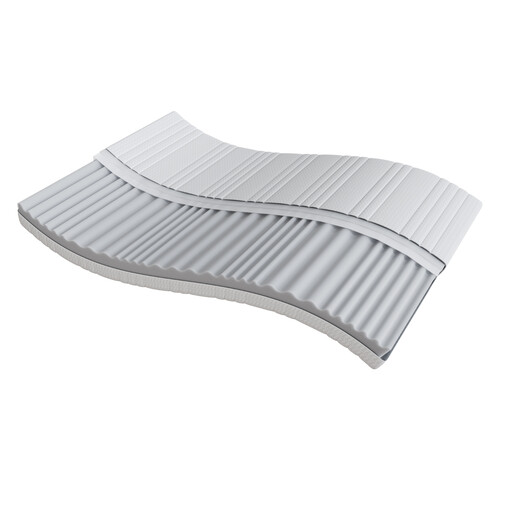
Why We Recommend This Product: This model combines an ergonomic 7-zone cold foam core with a medium firmness level (H2/H3), making it suitable for a wide range of users. The OEKO-TEX and CertiPUR-US certifications attest to its material quality and freedom from harmful substances. Delivery as a mattress-in-a-box (90x200) simplifies transport.
Pros:
Who It's For: Individuals seeking a flexible and breathable cold foam mattress with medium firmness. Suitable for back, side, and stomach sleepers, as well as for use in single beds, guest rooms, or student accommodation.
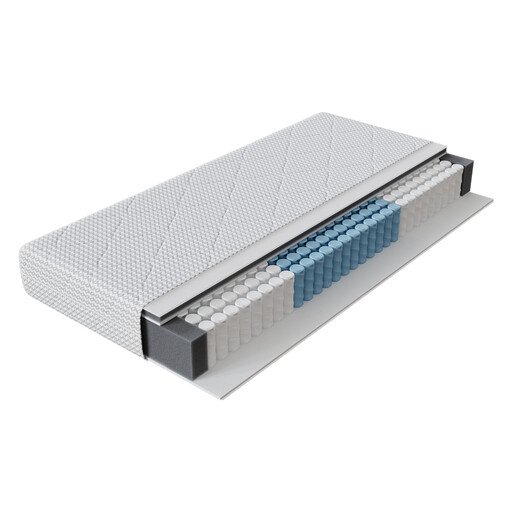
Why We Recommend This Product: This pocket spring mattress provides pinpoint support thanks to its 7-zone construction. The H3 firmness level ensures a stable sleeping surface, which is further reinforced by a foam encasement around the edges. This prevents sagging when sitting on the edge of the bed.
Pros:
Who It's For: Individuals who prefer a firmer mattress (H3) with precise pressure distribution and high edge stability. Ideal for all sleeper types, especially for users who utilise the entire sleeping surface.
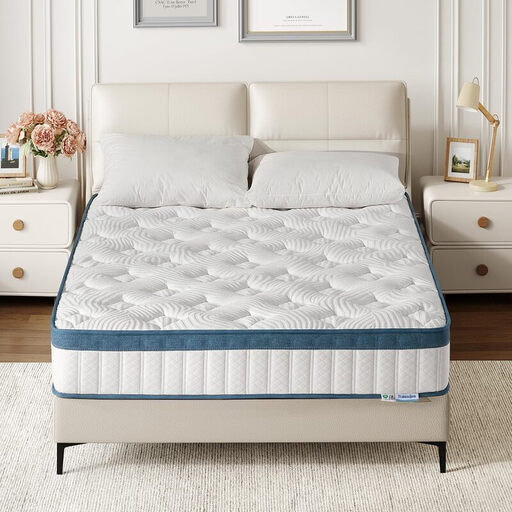
Why We Recommend This Product: As a 140x200 cm hybrid mattress, this model combines the benefits of two systems: a supportive 7-zone pocket spring core and a pressure-relieving gel foam layer. The Tencel cover is known for its moisture-regulating properties, making it particularly appealing for allergy sufferers and people with sensitive skin.
Pros:
Who It's For: Couples and individuals looking for an orthopaedic mattress with high point elasticity and low motion transfer. Its material properties make it an excellent choice for allergy sufferers and those who value a dry sleeping environment.
The products presented represent a curated selection tailored to specific needs. If these models do not perfectly match your requirements, you can find a wider range of mattresses and sleep systems in our main category for Bed & Bedroom Furniture.
1. What do the 7 zones in a mattress mean? A 7-zone design means the mattress is divided into seven horizontal sections with varying levels of firmness. These zones are aligned with the anatomy of the human body: head, shoulders, lumbar, pelvis, thighs, lower legs, and feet. The shoulder and pelvic zones are typically softer to allow for deeper sinking, while the lumbar zone is firmer to support the spine.
2. Which firmness level is right for me, H2 or H3? The choice depends primarily on your body weight. As a general guideline: H2 (medium-firm) is suitable for people weighing up to approx. 80 kg, while H3 (firm) is recommended for those over 80 kg. Your preferred sleeping position can also play a role: side sleepers often need a slightly softer mattress to allow the shoulder to sink in comfortably, whereas stomach and back sleepers benefit from a firmer base that prevents the pelvis from sagging.
3. Is a cold foam or a pocket spring mattress better? There is no one-size-fits-all answer; the decision depends on individual preferences. Cold foam mattresses offer excellent body contouring and are heat-insulating, which is appreciated by people who tend to feel cold. Pocket spring mattresses are extremely breathable and provide high point elasticity and stability, making them attractive for those who sweat heavily at night or prefer a bouncy feel.