
Lieferung heute & morgen

Qualitätsgarantie

Willkommens-Angebote freischalten: KOSTENLOSE Lieferung | Bis zu 80 % RABATT | Kostenlose 30-Tage-JoyPlus-Testphase
App herunterladen
The search for a new mattress can quickly become overwhelming. Especially with 7-zone mattresses, manufacturers advertise with terms like "orthopaedic" and "point-elastic." But not every model delivers on its promise. Many buyers invest in a supposedly high-quality mattress, only to find after a few months that their sleep comfort hasn't improved, or has even worsened.
As your Joybuy Product Recommendation Officer, I'll help you identify the crucial features and avoid common marketing traps. This guide focuses on the objective criteria that truly matter, so you can make an informed decision for restful sleep.
Before we dive into the technical details, let's highlight the three most common issues that can lead to a bad purchase.
To avoid these traps, focus on three verifiable criteria. These determine whether a mattress is suitable for your needs, especially for relieving back pain.
The type of mattress core significantly influences the feel, durability, and sleep climate.
A true 7-zone structure is symmetrically designed so the mattress can be rotated. It is engineered to provide targeted support or relief to different parts of the body:
This targeted support is the core of a good orthopaedic mattress and is crucial for alleviating back pain.
Look for recognised seals. The Oeko-Tex Standard 100 seal, for example, ensures that all components of the mattress have been tested for harmful substances. This is an important quality mark not just for allergy sufferers, but for any health-conscious buyer. Other certificates like CertiPUR evaluate the environmental, health, and safety properties of foams.
Based on the criteria above, we have identified several models that are suitable for specific user profiles.
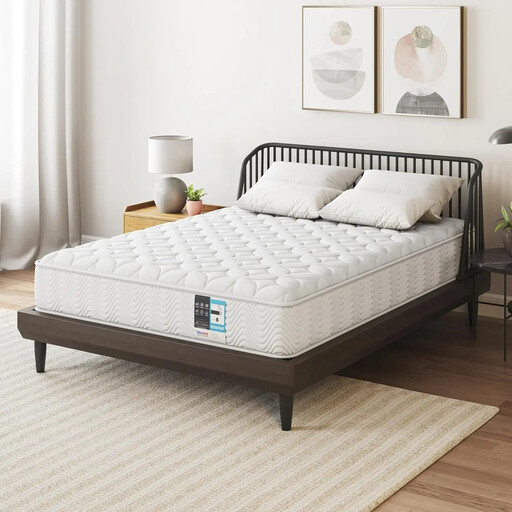
Why This Fits Their Persona: Offers the essential features of a 7-zone pocket spring mattress at an accessible price. Ideal for students, first-time setups, or guest rooms, without compromising on fundamental ergonomic support.
Focuses on a proven pocket spring mattress construction that ensures good ventilation and prevents heat build-up. The H3 firmness level is clearly designed for a medium weight range and offers solid support.
Good value for money; the separate springs minimise motion transfer, which also makes it an interesting option for couples in the 140x200 mattress size.
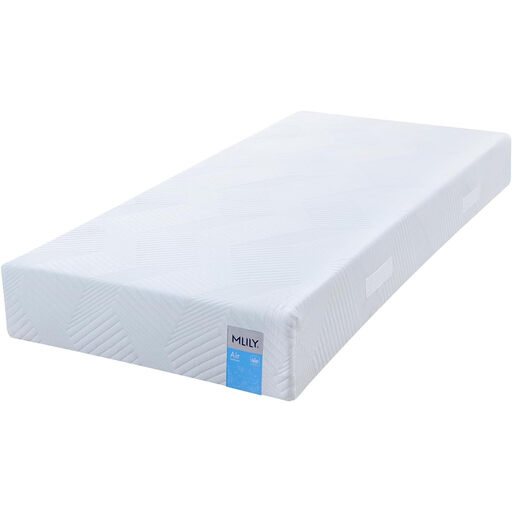
Why This Fits Their Persona: Ideal for individuals who value advanced materials and certified quality to maximise sleep comfort and body support, especially if they are prone to muscle tension.
Instead of a vague 'orthopaedic' label, it offers a concrete 3-layer system of different foams (AirCell/CoolFlex) that demonstrably relieves pressure and regulates temperature. The Oeko-Tex and CertiPUR certifications confirm the high material quality.
Innovative layer system for pressure relief and temperature regulation; suitable for allergy sufferers thanks to certified materials and a Seaqual cover made from recycled materials.
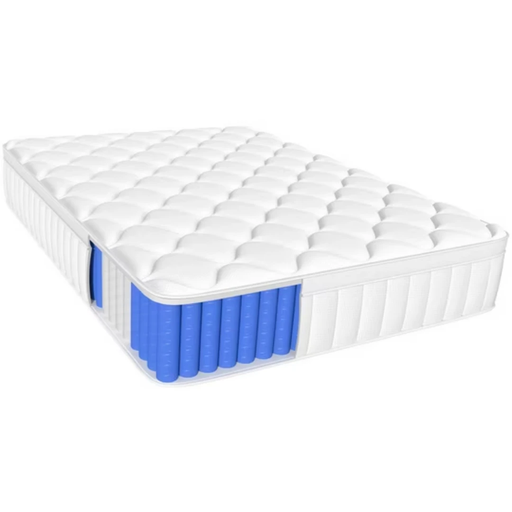
Why This Fits Their Persona: Designed for durability and stable support, ideal for couples or heavier individuals looking for an H3 mattress with a high load capacity and minimal motion transfer.
The independent pocket springs with 6 turns (according to the manufacturer) offer precise point elasticity and minimise motion transfer, promoting undisturbed sleep for both partners. The 9-layer construction provides stability instead of just a simple foam block.
High load capacity (up to 150 kg according to the manufacturer); 9-layer construction for durability and comfort; good motion isolation due to independent springs.
We have compiled a complete, up-to-date list of products that fully meet these strict selection criteria and German safety regulations.
A vacuum-packed bed-in-a-box mattress typically needs 24 to 72 hours after unpacking to reach its full height and firmness. It is important to let it rest on a flat surface in a well-ventilated room during this time and not to put any weight on it.
Most modern 7-zone mattresses have an asymmetrical construction (e.g., a softer comfort layer on top and a firmer support layer below). Therefore, they should not be flipped. However, it is recommended to rotate the mattress from head to foot every 3 to 6 months to ensure even wear and extend its lifespan.
A 7-zone mattress can bring significant improvement for back pain as it holds the spine in an ergonomically correct position. However, the crucial factor is the right combination of zoning, a firmness level appropriate for your body weight, and a material that suits your preferred sleeping position. A mattress that is too soft or too firm can worsen problems, even with 7-zone technology.