
Lieferung heute & morgen

Qualitätsgarantie

Willkommens-Angebote freischalten: KOSTENLOSE Lieferung | Bis zu 80 % RABATT | Kostenlose 30-Tage-JoyPlus-Testphase
App herunterladen
A 7-zone mattress is often marketed as offering ergonomic support and improved pressure distribution. However, the zoning alone says little about the actual sleeping comfort. What matters is how body weight, sleeping position, mattress size, material, core height and cover care work together.
Those who buy too quickly often encounter three typical problems: the mattress is too soft or too firm for their build, the cover is difficult to clean, or the stated zoning does not suit their preferred sleeping position. The following guide explains which details you should check before buying.
Seven lying zones may describe areas for the head, shoulders, back, pelvis, thighs, lower legs and feet. However, the precise layout and foam densities used vary from model to model. A 7-zone mattress is therefore not automatically suitable for everyone.
Side sleepers should pay particular attention to whether the shoulder and pelvic areas provide enough give. Back sleepers, on the other hand, need even support through the middle of the body. An ergonomic mattress should support your natural posture without making medical claims.
The designations H2 mattress H3 are used in Germany as a guide. H2 is often classified as medium-firm, while H3 is considered somewhat firmer. However, how firm a mattress actually feels depends on body weight, height, bed base and material.
With a double-sided model, buyers can switch between H2 and H3. This is practical, but it does not replace checking the manufacturer’s precise specifications for the maximum load. Couples should also take both people’s weight into account.
A breathable mattress may feature open-cell cold foam, ventilation channels or an air-permeable cover. Nevertheless, the bed base, room temperature, bed linen and any mattress protector used will also affect the sleeping climate.
With memory-foam and visco mattresses, the way the material responds to body heat can be particularly noticeable. If you tend to get warm at night, you should therefore look for a suitable foam structure and a washable, breathable cover.
A cold-foam mattress adapts to your body through its resilient foam structure and can return to its original shape relatively quickly after being compressed. The material is often associated with good ventilation and low weight. Key details include the core height, density and recommended load.
A memory-foam mattress, also known as a visco mattress, reacts to heat and pressure. This can create a deeper sinking sensation. When turning in your sleep, this material may respond less immediately than resilient cold foam. Whether this feels comfortable depends on your personal preferences and sleeping position.
The overall height of the models presented ranges from 18 to 26 cm. A greater height can make getting into bed easier and provides room for several material layers. However, it must be compatible with the bed frame, fitted sheet and the sleeping height you want.
Also check whether the stated measurement refers to the entire mattress or just the foam core. For mattresses delivered rolled up, you should follow the supplier’s stated time for the mattress to fully expand.
A mattress with a washable cover makes regular care easier. Important details include:
The foam core must generally not be washed. After opening the packaging, the mattress should be aired first. Packaging film must be kept out of children’s reach immediately.
The mattress must fit the bed exactly. Common sizes in the selection include:
Make sure you use a suitable, stable base. An unsuitable slatted base can affect both comfort and durability. With two separate mattresses in a double bed, different firmness levels can be chosen; with one continuous mattress, individual adjustment is more limited.
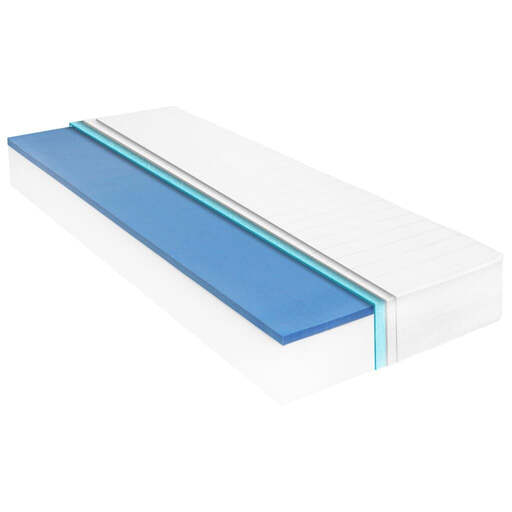
Why this product suits the profile: The 100 x 200 cm model is suitable for single beds, guest rooms or a compact sleeping solution. The viscoelastic core and overall height of approximately 18 cm are clearly specified.
The product details specify the material, size, height and a cover with a three-sided zip. This means key buying information can be checked in advance.
Viscoelastic foam, 18 cm overall height and removable cover made from 100% polyester.
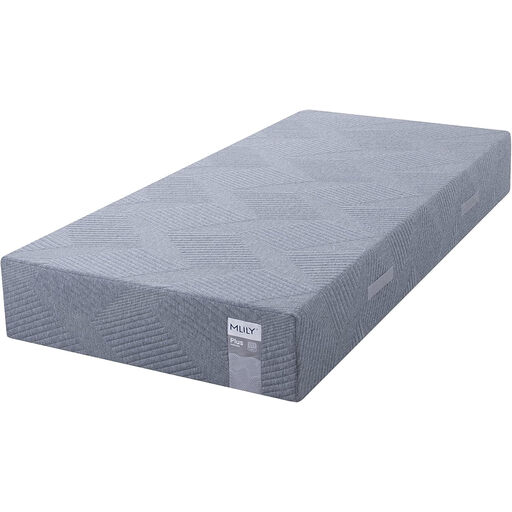
Why this product suits the profile: Designed for couples, the 160 x 200 cm model combines four layers, memory foam and a Dynamic-Zoning spring core. The construction is designed to minimise motion transfer between sleepers.
The technical specifications state the layers, size, height and “Medium” firmness level. They also expressly require a suitable bed base.
26 cm height, four-layer construction, seven comfort zones and a spring core with individually pocketed springs.
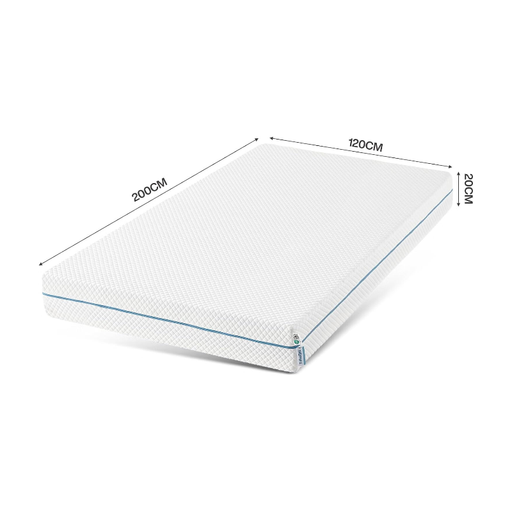
Why this product suits the profile: For a wider single bed, guest room or regular use, this model offers a 120 x 200 cm size, H3 firmness and a stated load capacity of up to 150 kg.
The details include the mattress size, firmness, zone construction, cover care and maximum load. This covers important points that are often missing from blanket comfort claims.
20 cm height, 7-zone cold foam, Lyocell cover and machine-washable cover up to 60 °C according to the product details.
Rolled mattresses need time after unpacking to reach their intended shape. Depending on the product, around 24 to 72 hours may be specified. During this time, the mattress should be left in a warm, well-ventilated environment. Only then can its comfort be assessed reliably.
For even wear, it is advisable to rotate the mattress regularly in accordance with the manufacturer’s instructions. Fabric handles can be helpful, but are not available on every model. A mattress protector shields the cover from dirt, but may alter air circulation and the feel of the mattress.
Special return conditions may also apply to hygiene products. Before opening the packaging, you should therefore check the size, material, firmness and compatibility with the bed frame. The relevant retailer’s terms and conditions apply.
We have put together a complete, regularly updated list of products that fully meet these strict selection criteria and the safety regulations applicable in the EU.
It may be of interest to side, back and front sleepers, provided that the zoning, firmness and body shape are compatible. The designation alone is not proof of individual ergonomic or medical suitability.
This depends on the model. The product details available here specify around 24 to 48 hours, or up to 72 hours. The manufacturer’s precise instructions should be followed before first use.
The service life depends on factors including the material, load, room climate, bed base and care. Regularly rotating and airing the mattress, along with using a suitable mattress protector, can support good hygiene. Without specific product and usage details, it is not possible to give a reliable fixed timescale.