
Lieferung heute & morgen

Qualitätsgarantie

Willkommens-Angebote freischalten: KOSTENLOSE Lieferung | Bis zu 80 % RABATT | Kostenlose 30-Tage-JoyPlus-Testphase
App herunterladen
A 7-zone pocket sprung mattress 180x200 H3 should give two people enough space, stable support and as little motion transfer as possible. However, many models sound similar in product descriptions. Terms such as ‘ergonomic’, ‘breathable’ and ‘orthopaedic’ don’t tell you much about the mattress’s actual construction on their own.
As a Joybuy Product Recommendation Officer, I pick out the details that matter. Which construction suits your body weight? How useful is the H3 firmness rating? And what should you look for when buying a rolled mattress?
H3 is often described as medium-firm. However, how a mattress feels depends on your body weight and shape, as well as its spring unit, comfort layers and cover. An H3 model with a thick foam layer may feel softer than a similar model with thinner padding.
So don’t just look for ‘H3 pocket sprung mattress’. Check these details too:
A 7-zone mattress is divided into areas for your head, shoulders, waist, pelvis, thighs, lower legs and feet. What matters, though, is how the zones are designed and whether the mattress suits your body shape.
A balanced combination of springs and foam can work well for back, side and front sleepers. The term ‘orthopaedic mattress 180x200’ is not, however, a guarantee of a medical benefit. It usually describes an ergonomically designed construction, but it’s no substitute for individual advice from a medical professional.
A rolled mattress is delivered vacuum-packed, making it easier to carry through narrow corridors or up staircases. Once unpacked, it needs time to expand fully. Depending on the model, the recommended time may be 48 or 72 hours, for example.
Don’t open the packaging with a sharp object. First, place the mattress flat on a suitable slatted base and check the manufacturer’s instructions before using it.
For a double bed, the mattress must measure exactly 180 × 200 cm. Also check the available bed frame height: a mattress that’s 20 to 25 cm high can noticeably change how high the bed is to get into.
Your slatted base should suit the mattress construction and be sturdy enough. If you have two separate bases, you may notice a difference in feel where they meet in the middle. A continuous base or a suitable connector can help give couples a more even sleeping surface.
In a pocket sprung mattress, each spring sits in its own fabric pocket. This allows different areas to move independently, which can reduce motion transfer compared with a continuous spring unit.
However, the number of springs isn’t the only thing that matters. Spring strength and height, padding and edge reinforcement all affect stability too. According to the product details, Product 1 has 868 pocket springs, while Product 2 features a spring unit made with 2.1 mm carbon steel springs.
A breathable mattress should have a construction that allows enough air to circulate. Pocket springs let air flow between the rows of springs; open-cell cold foam or memory foam layers can also affect the feel of the mattress and how moisture is distributed.
A removable, washable cover is handy for regular care. If the cover isn’t washable, it’s worth using a separate mattress protector. Certifications such as OEKO-TEX apply to the materials tested, so they should be clearly listed in the product details.
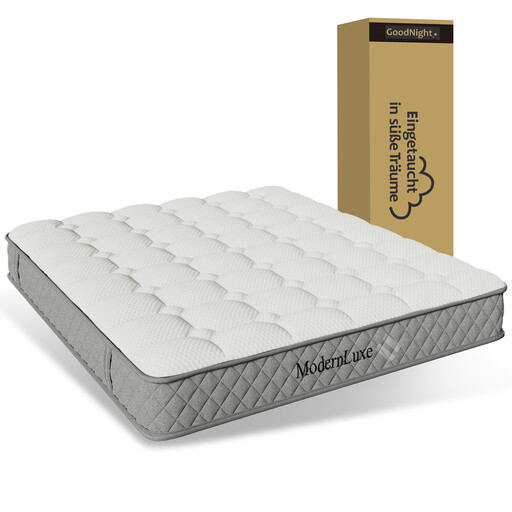
Why this product suits this profile: This model combines a 20 cm height with a medium-firm H3 feel and is designed for a 180x200 cm double bed. Four handles make it easier to turn and position.
The product details list its size, firmness rating, height, spring count and maximum load of up to 280 kg. This makes it easier to compare key details before you buy.
868 pocket springs, a cold foam core, four side handles and OEKO-TEX-certified materials, according to the product details.
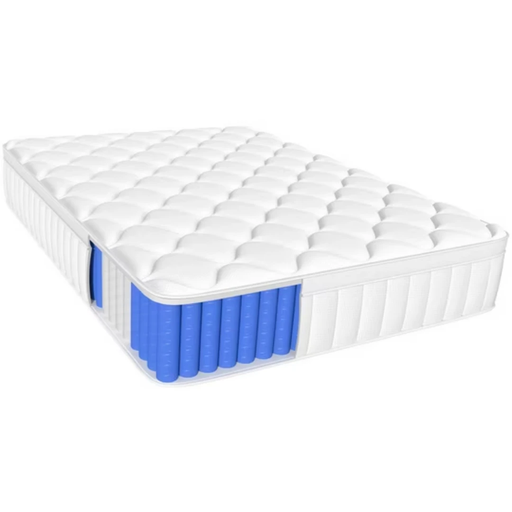
Why this product suits this profile: Its nine-layer construction is aimed at buyers who are looking beyond the spring unit to a taller mattress and additional comfort materials.
The product details specify the spring diameter, layer construction, 150 kg maximum load and rolled delivery separately. That gives you concrete details to check alongside the marketing claims.
25 cm height, 2.1 mm carbon steel springs, 9 layers and independently moving pocket springs, according to the product description.
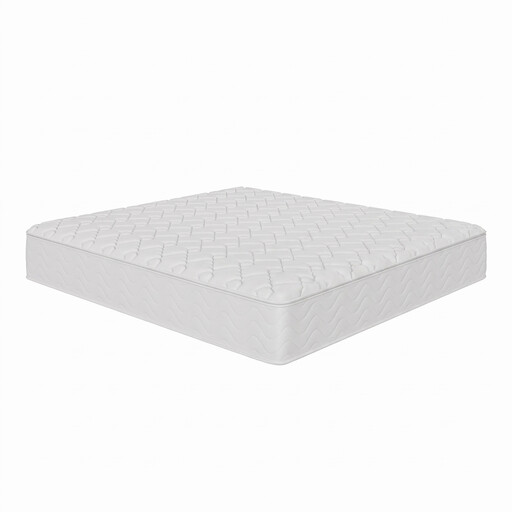
Why this product suits this profile: For couples, the key feature is the stated combination of individually pocketed springs and memory foam. It’s designed to reduce motion transfer.
The product details explicitly state the 180x200 cm size, medium-firm feel, compressed delivery and recommended expansion time of 72 hours.
Memory foam, individually pocketed springs, 20 cm height and OEKO-certified fabrics, according to the product description.
We’ve put together a complete, regularly updated list of products that meet these strict selection criteria and the safety regulations in force in the EU.
It depends on the model. Product details often recommend leaving the mattress for between 48 and 72 hours. Follow the manufacturer’s instructions and wait until the mattress has reached its intended shape before using it.
There’s no reliable one-size-fits-all answer. Lifespan depends on factors including the load, the bed base, the room climate and how well the mattress is cared for. Turning it regularly can help it wear more evenly. Check whether your model is designed to be flipped. If it has a designated top and bottom, it should only be rotated from head to foot.
H3 may suit many adults who prefer a medium-firm feel, but it isn’t a standardised comfort rating. If there’s a significant difference in body weight, two mattresses with individual firmness ratings or one shared mattress with a suitable load limit may be a better choice. The manufacturer’s specific details and your personal comfort are what matter most.