
Lieferung heute & morgen

Qualitätsgarantie

Willkommens-Angebote freischalten: KOSTENLOSE Lieferung | Bis zu 80 % RABATT | Kostenlose 30-Tage-JoyPlus-Testphase
App herunterladen
The search for a new mattress can quickly become overwhelming. Countless models, technical terms, and marketing promises make an informed decision difficult. As your Joybuy Product Recommendation Officer, I'll help you identify the crucial features and avoid common purchasing pitfalls, so you can find a durable and suitable mattress.
Before we delve into the key quality features, let's look at two common marketing traps that often lead to disappointment:
To make a sound purchasing decision, you should focus on three verifiable technical parameters. These largely determine the comfort, durability, and functionality of your new mattress.
The heart of the mattress is its spring core. In a pocket spring mattress, each individual steel spring is sewn into a separate fabric pocket.
A 7-zone pocket spring mattress is designed to provide tailored support to different areas of the body. A functional zoning system typically looks like this:
This targeted customisation is what makes a mattress truly ergonomically valuable—far more than just a generic "orthopaedic" label.
The overall height of the mattress provides a clue about its quality and durability. A mattress with a height of 25 cm or more indicates a robust spring core and sufficiently thick comfort layers.
Many modern models are designed as a hybrid mattress. They combine the supportive pocket spring core with comfort layers made of materials like cold foam, gel foam, or memory foam. These layers improve pressure relief and sleeping comfort. At the same time, the spring core ensures good air circulation, making it a breathable mattress and promoting a healthy sleep environment.
Here are some models that are well-suited for specific profiles based on their technical specifications.
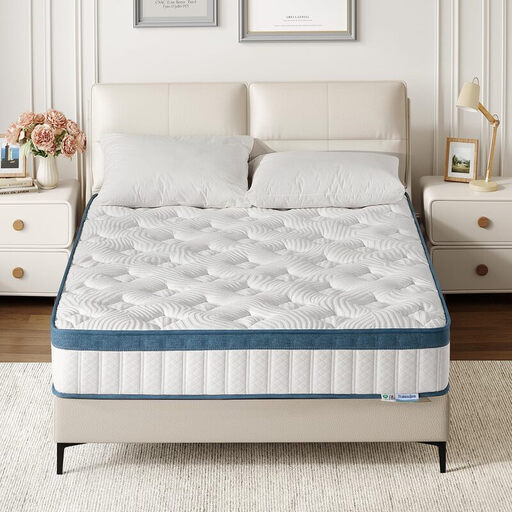
Why This Fits Their Persona: The individually wrapped pocket springs in this hybrid mattress minimise motion transfer. When one person turns over, the other side of the mattress is barely affected, leading to undisturbed sleep for both partners.
Instead of a vague "orthopaedic promise," it delivers a concrete technical solution: motion isolation via the pocket spring core, which offers a direct, tangible benefit for couples.
Excellent motion isolation and a breathable Tencel cover that ensures a comfortable sleep climate.
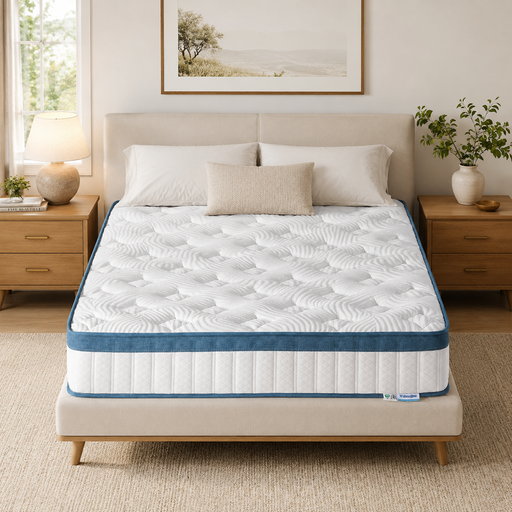
Why This Fits Their Persona: This model is explicitly designed for side and back sleepers. The 7-zone structure allows the shoulder and hip areas to sink in deeper while the lumbar spine is supported. The gel memory foam layer provides additional pressure relief.
It gives substance to the term "orthopaedic" by offering a clear 7-zone structure that specifically addresses the needs of side sleepers, thus promoting an ergonomically correct sleeping position.
Targeted shoulder and pelvic relief through zoning and gel foam. Oeko-Tex certified for skin-friendliness.
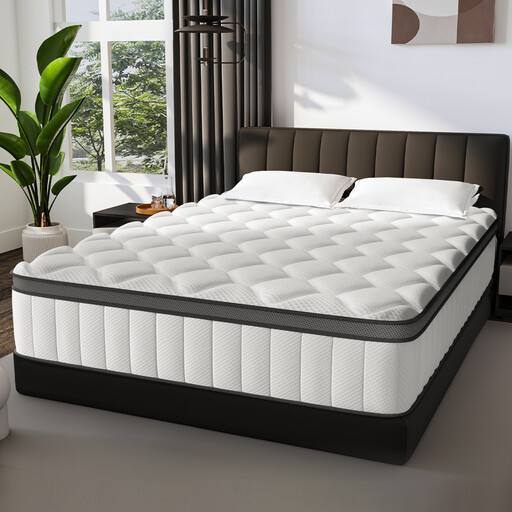
Why This Fits Their Persona: With the popular mattress 140x200 H3 size and a solid height of 25 cm, this model is a reliable choice for the master bedroom. It combines all the key features—7 zones, a pocket spring core, and a comfortable height—into a cohesive package.
It avoids the "firmness level trap" by pairing the H3 rating with a substantial 25 cm height. This height indicates a stable, durable construction suitable for a wide range of users.
Solid 25 cm overall height for stability and longevity. Balanced feel thanks to a 9-layer construction.
We have compiled a complete, up-to-date list of products that fully meet these strict selection criteria and all relevant safety standards.
1. How long does a rolled 7-zone pocket spring mattress take to fully expand? A vacuum-packed and rolled mattress typically needs 24 to 48 hours to reach its full height and shape. It is recommended not to sleep on the mattress during this time to ensure it expands evenly. Ventilate the room well to dissipate any initial odours from the packaging material.
2. Which firmness level (e.g., H3) is right for my body weight? As a general guideline: