
Lieferung heute & morgen

Qualitätsgarantie

Willkommens-Angebote freischalten: KOSTENLOSE Lieferung | Bis zu 80 % RABATT | Kostenlose 30-Tage-JoyPlus-Testphase
App herunterladen
Restful sleep is the foundation for an energetic day. However, the wrong mattress often leads to tension, back pain, or restless nights. A 7-zone pocket spring mattress is specifically designed to counteract these issues by providing targeted body support. This article serves as an objective guide to help you understand how these mattresses work and choose the right model for your needs.
Choosing the right mattress depends on your individual needs. The following criteria can help you make an informed decision.
The firmness level indicates how firm a mattress is. An H3 mattress denotes a medium-firm level, which is generally suitable for individuals weighing between 80 and 110 kg (approx. 175-240 lbs). An orthopaedic mattress with a 7-zone structure is engineered to support different parts of the body with varying levels of firmness:
This targeted pressure relief can help alleviate back pain and promote an anatomically correct sleeping posture.
A hybrid mattress combines a pocket spring core with one or more layers of foam. This design merges the advantages of both materials:
This combination offers both supportive and pressure-relieving properties.
Good ventilation is crucial for a dry and hygienic sleep environment. A breathable mattress effectively wicks away moisture, which is particularly beneficial for those who tend to sweat at night. Materials like Tencel or special functional covers enhance this effect.
For allergy sufferers, mattresses with hypoallergenic properties and removable, washable covers are highly recommended. Look for certifications like Oeko-Tex certified, which guarantees the product has been tested for harmful substances and is safe for your health. Many manufacturers also offer a risk-free sleep trial for a set period, allowing you to test the mattress in the comfort of your own home.
Based on the criteria above, we have curated a selection of models that stand out for their specific features.
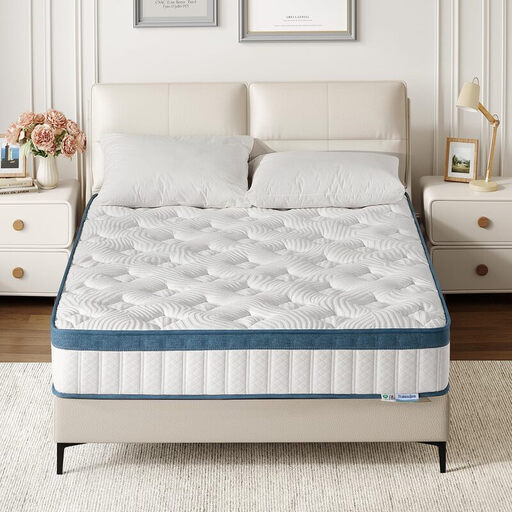
Why it stands out: This 120x200 cm mattress combines a 7-zone pocket spring core with a gel foam layer. Its Tencel Lyocell cover is designed for superior moisture regulation, promoting a dry sleep climate.
Advantages:
Who it's for: Individuals who sleep on their side or back, as well as couples who value undisturbed sleep. It's also a great option for allergy sufferers and people with sensitive skin due to its cover and certification.
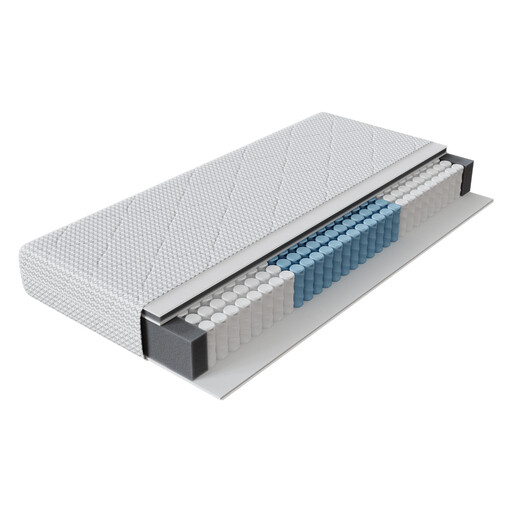
Why it stands out: This 180x200 cm mattress features a reinforced foam perimeter for extra edge support, preventing sagging when you sit on the side of the bed. The cover is removable and washable at 60°C.
Advantages:
Who it's for: Couples who prefer a wide and stable sleeping surface without the annoying gap between mattresses. It's also a great fit for those who value an easy-to-clean and hygienic sleep setup.

Why it stands out: This model features a 9-layer construction with robust carbon steel coils and a comfort layer made of mulberry silk plant fibres. This material combination is engineered for durability and a hypoallergenic sleep environment.
Advantages:
Who it's for: All types of sleepers looking for an exceptionally firm and supportive orthopaedic mattress. Its hypoallergenic properties also make it a solid choice for allergy sufferers.
If these models don't meet your specific requirements for size, firmness, or material, you can find a wider selection in our spring mattresses category. There, you can compare different products to find the perfect solution for your sleep.
The 7 zones of a mattress are designed to provide ergonomically correct support for different areas of the body. Softer zones in the shoulder and hip areas allow for deeper sinking to relieve pressure points, while firmer zones in the lumbar region support the spine. The goal is to maintain a naturally straight spinal alignment for both side and back sleepers.
The H3 firmness level (medium-firm to firm) is generally recommended for individuals weighing between 80 kg and 110 kg (approx. 175-240 lbs). However, this is just a guideline. The ideal firmness also depends on your height, preferred sleeping position, and personal comfort preferences.
Yes, a sleep trial is highly recommended. It often takes several weeks for your body to adjust to a new mattress. A trial period of 30 to 100 nights, as offered by many manufacturers, allows you to test the mattress under real-world conditions and ensure it's the right long-term fit for your sleeping habits.