
Lieferung heute & morgen

Qualitätsgarantie

Willkommens-Angebote freischalten: KOSTENLOSE Lieferung | Bis zu 80 % RABATT | Kostenlose 30-Tage-JoyPlus-Testphase
App herunterladen
A 7-zone pocket-sprung mattress 140x200 H3 should give two people enough room, stable support and a comfortable sleeping environment. In practice, however, it’s easy to make the wrong choice. Some models are promoted using ergonomic claims without providing clear details about their construction, weight limit or firmness.
So the most important things to consider aren’t just the number of zones or the mattress height. The key factors are the spring unit, the comfort layers, whether the mattress suits your body weight and what’s included with it.
In Germany, H3 is often classed as medium-firm to firm. However, there’s no binding industry-wide standard that defines exactly how it should feel. Your body weight, shape and sleeping position, along with your bed base, can all have a significant effect on how firm a mattress feels.
So look out for additional details such as:
A mattress with H3 firmness may feel different to someone with a higher body weight than it does to a lighter person.
A 7-zone mattress typically divides the sleeping surface into areas for your head, shoulders, lower back, pelvis, thighs, lower legs and feet. This can allow for more targeted support. However, the zones need to suit your height and shouldn’t be taken as a guarantee of a particular sleeping position.
The term “orthopaedic mattress 140x200” is often used as a product description. It’s not a substitute for medical advice and doesn’t guarantee a therapeutic effect.
A vacuum-rolled mattress is easier to carry through narrow stairways, hallways and lifts. Once unpacked, it needs time to reach its intended shape and height. Depending on the product guidance, this can take anywhere from around two to 72 hours.
Before you buy, check:
In a pocket-sprung mattress, each spring sits in its own fabric pocket and responds largely independently. This can help reduce movement across the bed, but it won’t eliminate motion transfer completely.
For couples who keep different hours, a quiet mattress with individually pocketed springs and an additional foam layer may be worth considering. Even so, look for specific details about the construction rather than broad claims such as “silent”.
A pocket-sprung mattress with memory foam combines a spring unit with a viscoelastic layer. This can mould to your body in response to heat and pressure. If you move around a lot or prefer a quicker response from the mattress, check how thick the foam layer is.
Cold foam can also help distribute pressure and improve ventilation. For an breathable mattress, the cover, side panels and overall combination of materials are all relevant too. Claims such as “antibacterial” should be assessed in line with the specific information provided by the manufacturer.
A mattress for a 140 × 200 cm bed needs to fit exactly. As well as the length and width, check the height: a 22 or 25 cm model can noticeably change the height of your bed.
A mattress supplied with a fitted sheet can be convenient, as long as the sheet is suitable for the stated mattress height. Check that the product details clearly say whether a fitted sheet is included or needs to be bought separately.
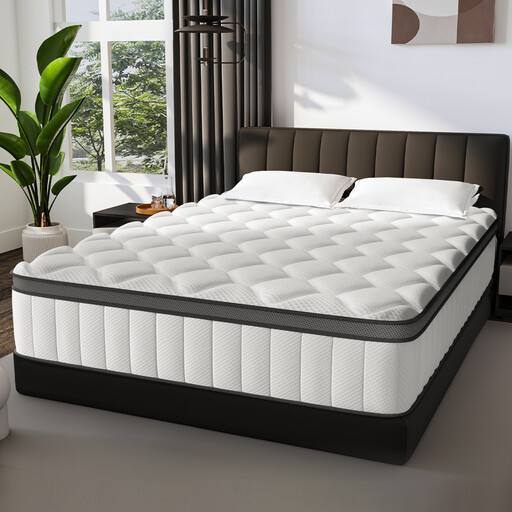
Why this product suits this profile: This model combines a 140 x 200 cm size with H3 firmness, a height of 22 cm and a fitted sheet listed as included. It’s a good option if you’re looking for clear details on the essentials.
The product details specify the firmness, dimensions, height and what’s included. This means you don’t have to rely on vague marketing claims to work out the essentials.
7-zone construction, H3 firmness, memory foam and high-density foam layers according to the product description, plus a fitted sheet included.
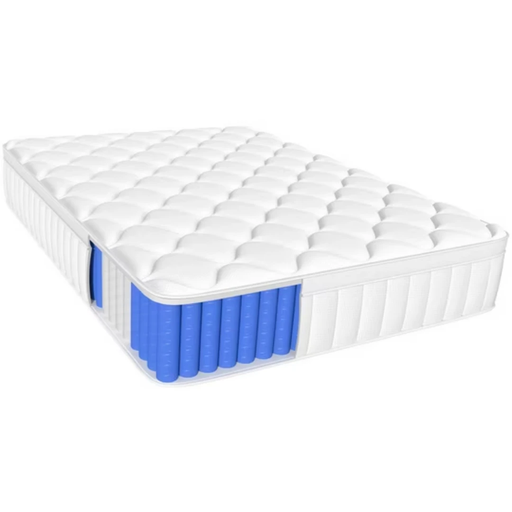
Why this product suits this profile: Its stated nine-layer construction and 25 cm height make it a good choice for buyers who want to compare materials and additional comfort layers.
As well as mentioning 7 zones, the product details specify the spring diameter, layer construction and a weight limit of up to 150 kg. This makes it easier to compare the technical details.
2.1 mm spring steel, independent pocket springs, nine material layers and vacuum-rolled delivery according to the product description.
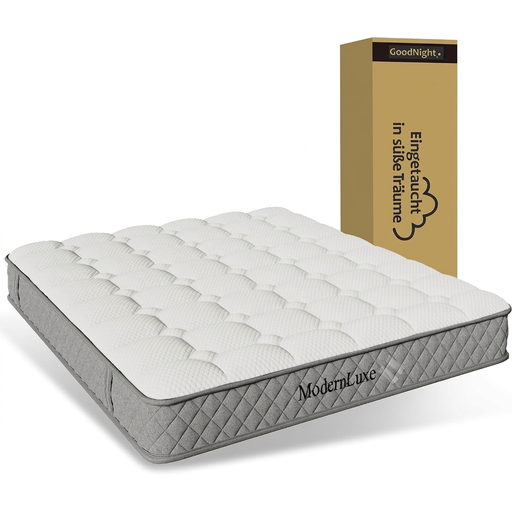
Why this product suits this profile: This model has a more compact height of 20 cm and clearly specified dimensions of 140 x 200 cm, H3 firmness and a 7-zone pocket-spring unit.
The key details are clearly and concisely listed. This reduces the risk of pairing a 140 x 200 cm bed with a mattress in the wrong size or firmness.
140 x 200 cm, H3, seven zones, 20 cm height and a pocket-spring unit; the product description lists polyester and foam among the materials.
We’ve put together a complete, regularly updated list of products that meet these strict selection criteria and fully comply with the safety regulations in force in the EU.
Use a suitable slatted bed base or a stable foundation that’s compatible with your mattress. Gaps between the slats that are too wide can lead to uneven support. After unpacking, let the mattress expand fully before using it regularly.
Turning the mattress regularly can help it wear evenly. Use a suitable mattress protector and clean the surface according to the manufacturer’s instructions. Only wash the cover if this is specifically recommended.
Its lifespan depends on the quality of the materials, body weight, how often it’s used, the base and how well it’s cared for. Figures from pressure or rolling tests describe a specific product test result, but don’t guarantee a set lifespan at home. Look out for visible dips, noise and reduced support.
This depends on the model. The product details for the models featured here specify, for example, two or 48 hours; another model is said to need up to 72 hours. Always follow the instructions for the specific product.
No. H3 is a guide, not a firmness that feels the same to everyone. Body weight, sleeping position and personal preference all matter. Side and front sleepers often need different pressure distribution from back sleepers. If you have existing health concerns, discuss your choice with a medical professional.