
Lieferung heute & morgen

Qualitätsgarantie

Willkommens-Angebote freischalten: KOSTENLOSE Lieferung | Bis zu 80 % RABATT | Kostenlose 30-Tage-JoyPlus-Testphase
App herunterladen
A 7-zone pocket-sprung mattress is designed to support different parts of your body, provide a more settled feel and be easy to get into your bedroom. In practice, however, unclear firmness ratings, exaggerated hygiene claims and choosing the wrong size can often lead to disappointing purchases.
This buying guide explains which details really matter and who might suit a pocket-sprung mattress with H3 firmness or another option.
A mattress with H3 firmness is often described as medium-firm to firm. However, how firm it actually feels depends on the manufacturer, your body weight, the comfort layers and your personal preferences. H3 on its own is therefore not a reliable basis for choosing a mattress.
Also check:
Seven zones can provide a clear structure for the mattress. What matters most, though, is whether it suits your build, sleeping position and preferred firmness. A high number of zones is no substitute for the right size and adequate support.
For a 140x200 cm mattress, couples should also check motion transfer, edge support and the maximum weight capacity. Because pocket springs are individually encased, they may transfer less movement to the other side than a continuous spring unit. This does not mean the mattress will be completely silent or free from motion transfer.
Terms such as antibacterial mattress, “antimicrobial” or “dust mite resistant” should be checked against the manufacturer’s specific claims. These properties usually relate to particular materials or treatments and should not be taken to mean the mattress has a medical effect.
An breathable mattress still needs good ventilation in the bedroom and a suitable slatted bed base. For everyday hygiene, a washable mattress protector and a regularly aired bed are usually more important than a single marketing claim.
A 7-zone design adjusts areas such as the shoulders, hips, lumbar region and legs differently. Each pocket spring sits in its own fabric pocket and responds independently. Comfort layers made from memory foam or high-density foam also affect how much you sink in and how pressure is distributed.
In the products featured here, orthopaedic mattress describes the construction or product positioning. It is not proof of a medical or therapeutic effect. If you have existing back problems, discuss whether the mattress is suitable for you with a healthcare professional.
Measure the inside of your bed frame before you buy. A 140 × 200 cm mattress should not just fit on paper; its height should also work with the bed frame, slatted base and the height you want when getting in and out of bed.
The GTIMEX models featured here are listed as 22 or 25 cm high, with H3 firmness and a weight capacity of up to 150 kg, depending on the version. These figures come from the relevant product information, so check the current listing details before buying.
A mattress delivered rolled is easier to carry through narrow corridors, stairwells and lifts. Once unwrapped, it needs time to regain its intended shape. Depending on the version, the manufacturers of the models mentioned specify a waiting time of around two to 48 hours.
Important:
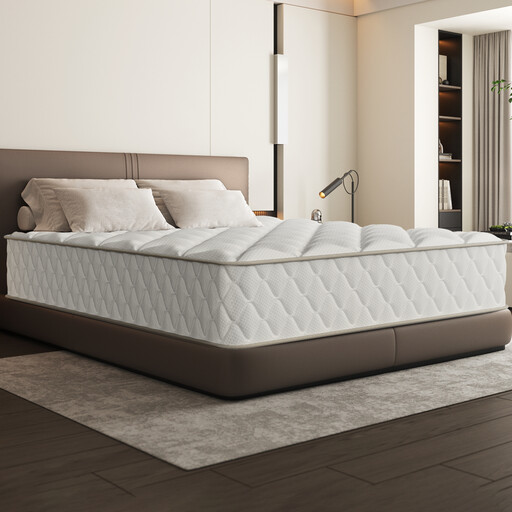
Why it suits this profile: The single size is well suited to a guest room, a teenager’s bedroom or a narrower sleeping space. A fitted sheet is included, according to the product description.
The specifications list H3 firmness, a height of 22 cm, 2.1 mm springs and a maximum weight capacity of 150 kg. This makes it easier to compare marketing claims with specific product details.
7-zone construction, rolled delivery and details of breathable materials.
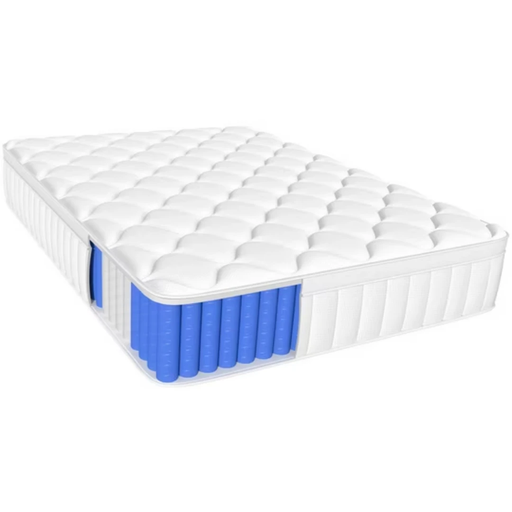
Why it suits this profile: This version combines a nine-layer construction, 2.1 mm pocket springs and a 25 cm mattress profile.
According to the manufacturer, the construction has undergone 30,000 compression cycles. This gives an indication of durability under stress, but is not a guarantee for every use.
Multi-layer construction, H3 firmness, rolled delivery and a separate fitted sheet.
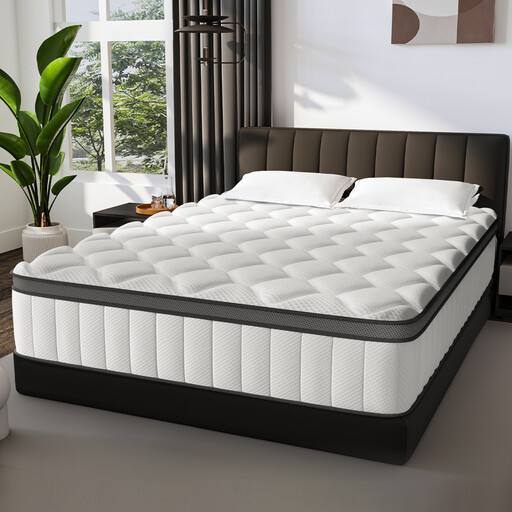
Why it suits this profile: This standard size is suitable for one person who wants plenty of room or for a couple, provided the bed frame is designed for it.
The product details list the size, firmness, height and a weight capacity of up to 150 kg. They also recommend airing and turning the mattress, and using a mattress protector.
140 × 200 cm, 25 cm high, 7-zone construction and details of nine material layers.
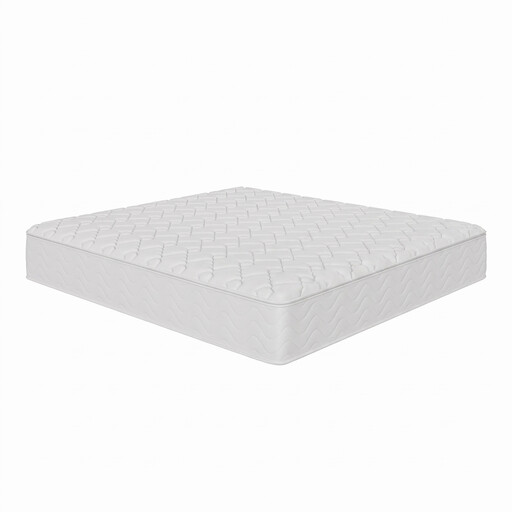
Why it suits this profile: This medium-firm version with three comfort zones is aimed at buyers who do not need a specifically firm H3 mattress.
The product description clearly states the 20 cm height, 140 × 200 cm size and delivery in a compressed box. This gives you key details for comparing products.
Independent pocket springs, motion absorption and OEKO-TEX and CertiPUR-US details according to the product description.
To help the mattress wear evenly, turn it regularly if the manufacturer recommends doing so. A mattress protector reduces direct contact with sweat and dust. Only remove or wash the cover if the care instructions specifically allow it.
A mattress for adults and children is not automatically suitable for every age group. Children under three have specific safety requirements, so follow the manufacturer’s instructions for the mattress in question. A mattress is also no substitute for individual sleep advice if you have health concerns.
This depends on the model. The product information for the models mentioned gives a timeframe of around two to 48 hours. Always follow the instructions provided by the manufacturer. The mattress should only be used regularly once it has fully expanded and lies flat.
No. H3 is often classed as medium-firm to firm, but there is no universal definition. Your weight, height, sleeping position and personal preferences all affect how a mattress feels. Someone who sleeps on their side may need a different level of pressure relief from someone who mostly sleeps on their back.
A pocket-sprung mattress does not need electricity during normal use. Ongoing costs may include a mattress protector, suitable bedding and, eventually, a replacement when the mattress wears out. Its lifespan depends on factors including the weight it supports, ventilation, the bed base and how well it is cared for.