
Lieferung heute & morgen

Qualitätsgarantie

Willkommens-Angebote freischalten: KOSTENLOSE Lieferung | Bis zu 80 % RABATT | Kostenlose 30-Tage-JoyPlus-Testphase
App herunterladen
A 7-zone pocket sprung mattress H3 is designed to support your body evenly, minimise the transfer of movement and allow enough air to circulate. In practice, however, the H3 rating alone does not determine how comfortable a mattress feels. Your body weight, sleeping position, bed size, bed base and the mattress construction all need to work together.
It’s worth checking the technical details carefully, especially when comparing options for an orthopaedic mattress, a breathable mattress or a mattress with memory foam. Marketing terms such as “antibacterial”, “ergonomic” or “suitable for all sleeping styles” tell you only so much without specific product information.
H3 is often described as medium-firm. How firm a mattress actually feels depends on your body weight and shape, what it’s placed on and your personal preference. That means two H3 mattresses can feel different. If you share a bed, it’s also worth considering whether to choose one mattress or two separate ones.
A 7-zone support system divides the sleeping surface into areas with different levels of springiness or padding. It doesn’t provide a personalised fit or make any medical promises. If you have persistent discomfort, choosing a mattress shouldn’t be seen as a treatment.
A deep mattress isn’t necessarily a durable one. Factors that matter include the spring construction, foam density, cover, maximum weight capacity and compatible slatted base. If a mattress is described as “suitable for up to 150 kg”, check whether this limit applies per person or to the entire sleeping surface.
An H3 mattress is generally considered medium-firm. This is a guide, not a standardised firmness rating that’s consistent across all brands. Look for:
For a double bed, take both sleepers’ weights into account. If you need a higher weight capacity, a mattress for up to 150 kg may be worth considering, provided the manufacturer’s wording is clear.
In a pocket sprung mattress, each spring is enclosed in its own fabric pocket. This allows the springs to respond independently. It can reduce the transfer of movement in a double bed, but it doesn’t guarantee complete silence.
A 7-zone mattress typically divides the sleeping surface into areas for the head, shoulders, back, pelvis, thighs, lower legs and feet. Some models combine the springs with memory foam or high-density foam. A mattress with memory foam may mould more closely to your body, but depending on its construction, it can retain more heat.
The number of layers shouldn’t be considered in isolation either. Nine layers may serve different purposes, such as providing stability, cushioning and moisture regulation. What matters is which materials are actually used.
Choose a size to suit your bed frame and the number of people sleeping in the bed:
A mattress height of 22 to 28 cm can make getting in and out of bed easier, but make sure it’s compatible with your bed frame and fitted sheet. If you buy a vacuum-packed mattress, allow it the stated amount of time to expand fully. This can range from two to 48 hours, depending on the model.
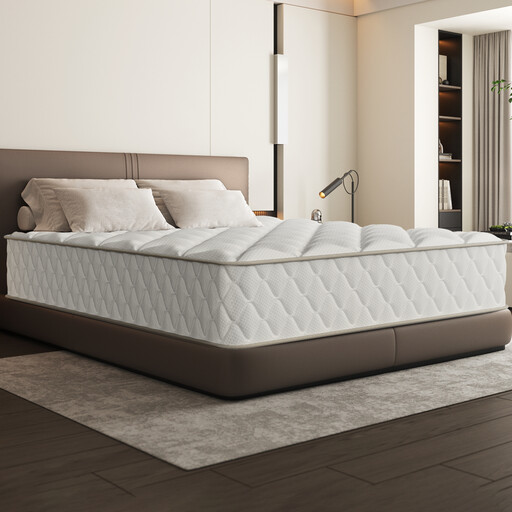
Why it suits this profile: Its compact size makes it a good fit for a single, guest or children’s room. According to the product details, it has an H3 firmness rating, a height of 22 cm, nine layers and a maximum weight capacity of 150 kg.
The product description clearly states the size, firmness rating, spring wire diameter and maximum weight capacity, rather than relying on a zone label alone.
H3 firmness, pocket springs, a memory foam layer according to the description, and a fitted sheet included.
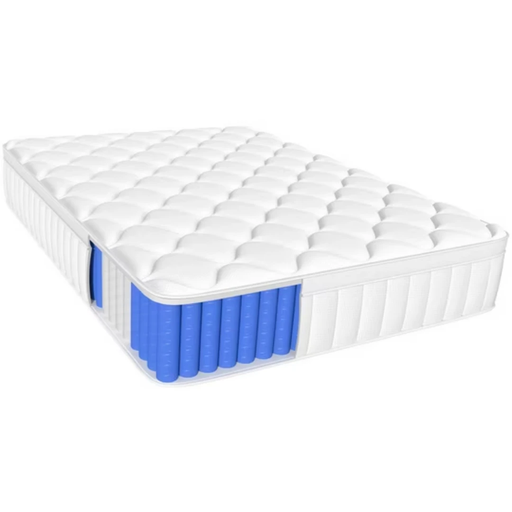
Why it suits this profile: The 160 x 200 cm size gives couples more room to sleep. According to the product details, it has an H3 firmness rating, a height of 22 cm, nine layers and a maximum weight capacity of 150 kg.
The information on size, spring core, foam layers and weight limit makes it easier to check whether the mattress suits your bed frame and sleeping habits.
Spacious double-bed size, H3 firmness, 7-zone construction and a fitted sheet included, according to the product description.
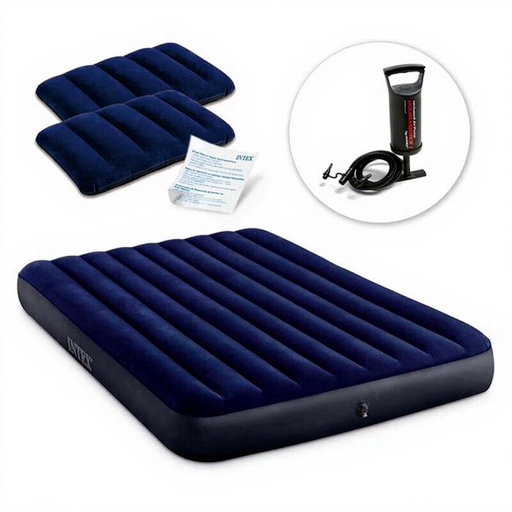
Why it suits this profile: This air bed isn’t an H3 pocket sprung mattress, but a flexible option for guests, camping or festivals. It can be set up and packed away, and comes with a pump and two pillows.
Making the distinction clear helps you avoid buying the wrong product: an air bed isn’t a substitute for a 7-zone pocket sprung mattress for comfortable, ergonomic sleep every night.
Measures 152 x 203 cm, with a maximum weight capacity of 272 kg according to the product details. A pump, pillows and repair patches are included.
We’ve put together a complete, regularly updated list of products that meet these strict selection criteria and fully comply with the safety regulations in force in the EU.
Vacuum-packed mattresses need time to regain their shape after opening. Air the room and wait for the period specified by the seller before using the mattress. A suitable mattress protector helps guard the cover against moisture and stains.
The following general care tips usually apply:
An antibacterial mattress shouldn’t automatically be taken to mean complete protection against germs or allergens. Claims such as “99.9% antibacterial” should be treated as manufacturer claims and checked in the context of the specific product.
Its lifespan depends on the quality of the materials, weight load, bed base, care and frequency of use. There’s no single lifespan that can be reliably applied to every model. Persistent dips, damaged springs or reduced comfort may be signs that it’s time for a replacement.
H3 mattresses are often sold as medium-firm and may suit side or back sleepers. What matters is your body weight, shoulder and hip shape, and how the mattress feels to you. The zone layout alone doesn’t guarantee that it’ll suit your sleeping position.
There are no energy costs during normal use. Possible extra costs include a suitable mattress protector, a fitted sheet that fits properly and, if needed, a sturdy slatted base. If the mattress comes with a fitted sheet, you may need to buy fewer accessories separately.