
Lieferung heute & morgen

Qualitätsgarantie

Willkommens-Angebote freischalten: KOSTENLOSE Lieferung | Bis zu 80 % RABATT | Kostenlose 30-Tage-JoyPlus-Testphase
App herunterladen
The search for a new television, especially in the premium segment, can quickly become overwhelming. Manufacturers advertise with a flood of technical jargon and impressive numbers. However, not every advertised feature leads to a better picture in practice. With a 75-inch Mini LED 4K TV, expectations for picture quality and performance are particularly high. This guide will help you identify the crucial features and avoid common purchasing traps.
As your Joybuy Product Recommendation Officer, my job is to filter market information and provide you with objective, practical advice so you can make an informed decision.
Before we dive into the important specifications, let's look at two common marketing traps that often lead to buyer's remorse:
To make a future-proof choice that is suitable for both home theatre and demanding gaming, you should pay attention to the following three core parameters.
The Mini LED backlight is the decisive advantage over conventional LED TVs. Thousands of tiny LEDs are grouped into hundreds or even thousands of zones that can be dimmed independently.
For gamers and sports fans, a high refresh rate is essential. A 144Hz TV displays fast motion with extreme fluidity and sharpness.
High Dynamic Range (HDR) expands the colour and contrast range. Dynamic HDR formats like Dolby Vision and HDR10+ adjust the picture scene by scene.
Here are some recommendations tailored to different use cases that meet the criteria mentioned above.
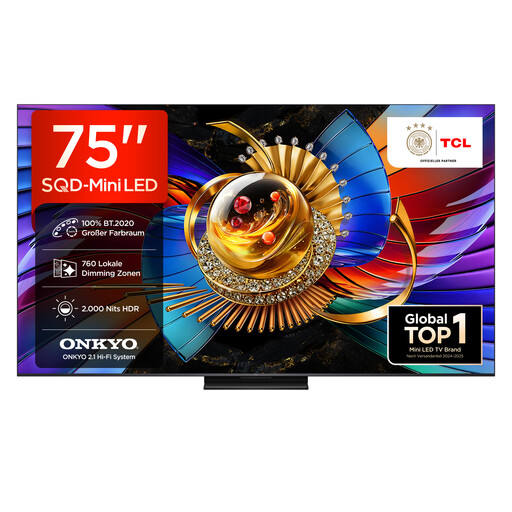
Why This Fits Their Persona: Ideal for users who want maximum picture quality for films and series. The combination of high brightness and precise light control ensures an intense HDR experience in dark or bright rooms.
It avoids the misleading brightness trap by combining a high peak brightness of 2,000 nits with 760 local dimming zones, according to the manufacturer. This ensures precise control of light and shadow.
Support for Dolby Vision IQ dynamically adapts the picture to ambient light. The integrated Onkyo 2.1 Hi-Fi audio system with a subwoofer delivers powerful sound without an additional soundbar.
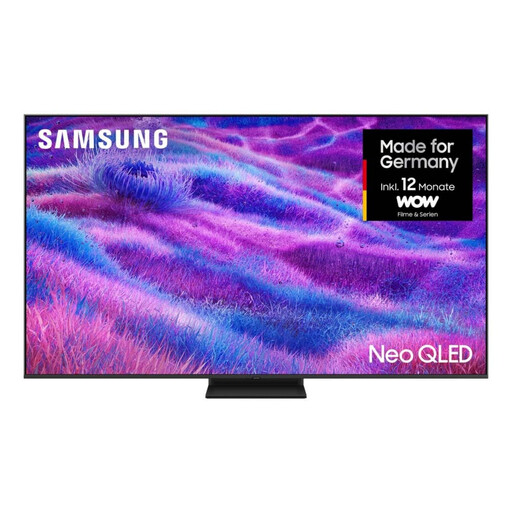
Why This Fits Their Persona: Designed for gamers who prioritise a responsive and fluid picture at 4K resolution. Its comprehensive gaming features are tailored to the performance of modern consoles and PCs.
This model avoids the incomplete gaming features trap. It not only offers a high refresh rate of up to 144Hz (Motion Xcelerator) but also four HDMI 2.1 ports and FreeSync Premium Pro for a tear-free gaming experience.
The Quantum Matrix Technology Core provides precise light control, which enhances contrast even in fast-paced game scenes. The Neural Quantum 4K AI Gen2 Processor optimises picture and sound in real time.
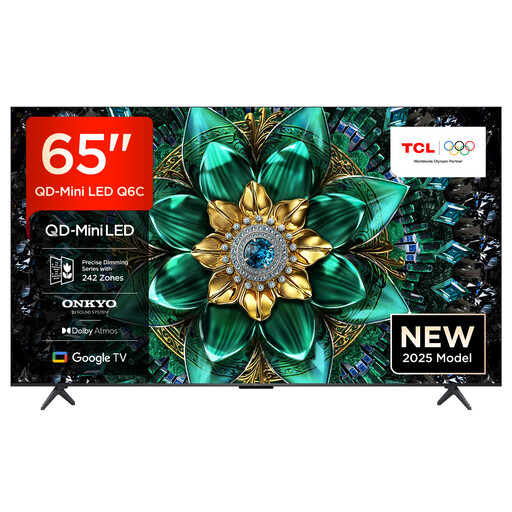
Why This Fits Their Persona: For buyers who want the benefits of Mini LED technology and a high refresh rate without stretching their budget for an absolute top-tier model. This 65-inch model offers an entry point to premium features.
This model delivers the core technologies—QD-Mini LED, 144Hz Motion Clarity Pro, and HDMI 2.1—thus avoiding the compromise of sacrificing future-proof features just to achieve a lower price.
Offers a comprehensive package for gaming and entertainment, including AMD FreeSync Premium Pro and Google TV. The value for money for a TV with this feature set is remarkable.
We have compiled a complete, real-time list of products that fully meet these strict selection criteria and German safety regulations.
1. What is the difference between Mini LED and OLED in a 75-inch TV? Mini LED TVs use an advanced backlight that allows for very high peak brightness, making them particularly suitable for bright living rooms. They are also immune to static image burn-in. OLED TVs, on the other hand, generate light on a per-pixel basis, resulting in perfect black levels and infinite contrast. Their strengths are most apparent in dark rooms. The choice depends on your room's lighting and your viewing habits.
2. Do I really need a 144Hz TV for my PS5 or Xbox Series X? Current consoles like the PS5 and Xbox Series X support games at up to 120 frames per second (Hz). A 144Hz TV is therefore a future-proof investment that already gets the most out of today's consoles and is also perfectly equipped for PC gaming. The crucial factor is that the TV must have HDMI 2.1 to transmit the high frame rate at 4K resolution.