
Lieferung heute & morgen

Qualitätsgarantie

Willkommens-Angebote freischalten: KOSTENLOSE Lieferung | Bis zu 80 % RABATT | Kostenlose 30-Tage-JoyPlus-Testphase
App herunterladen
A 750 ml glass food storage container is ideal for leftovers, soups, side dishes and prepared meals. This size is often suitable for a single portion or smaller family portions. However, many buyers only encounter problems after purchasing: the lid is not truly leak-proof, the container does not fit in the intended storage space, or the oven and microwave instructions only apply without the lid.
This buying guide explains which details really matter and which product features you should check before buying.
An airtight glass container can protect food from exposure to air. However, transporting soup or sauce also requires a reliably fitting seal and a secure closure. A simple lid placed on top may be sufficient for the fridge, but it is not the same solution for a work bag or rucksack as a leak-proof food storage container with a full silicone seal.
You should therefore look for:
With a glass container for the oven and microwave, you need to distinguish between the glass and the lid. Plastic lids generally do not belong in the oven. In the microwave, the lid may also not be suitable depending on its design, or it may need to be opened to prevent pressure from building up.
The specific manufacturer’s instructions are crucial. For the LocknLock Top Glass Series container, oven use up to 400 °C and microwave use are expressly specified without the lid. The container must also not be placed directly on a hob or open flame.
Borosilicate glass can also be damaged by significant temperature changes. A container taken from the freezer should not be placed straight into a very hot oven. Similarly, hot glass placed on a cold or wet surface may be exposed to thermal shock.
In practical terms, check the container for visible cracks or chips before heating it, avoid sudden temperature changes and use oven gloves when removing it.
The 750 ml specification describes the nominal volume. When storing soups, stews or dishes with sauce, the container should not be filled to the brim. A slightly deeper model provides more room for liquid dishes, while a shallower shape can be easier to organise for side dishes or meal prep.
Also check the external dimensions. A container with a base measuring around 16 × 16 cm takes up more shelf space in the fridge than a narrow, rectangular model. For several portions, stackable glass boxes or containers that nest inside one another are a practical choice.
Borosilicate glass is often used for heat-resistant food storage containers. However, the important factor is not just the material description, but the complete combination of glass, lid and seal.
Before buying, check the following:
For products with plastic components, the BPA information should come from the product description or packaging. It cannot automatically be inferred from the colour or transparency of the lid alone.
A food storage container with a click-lock closure can offer advantages during transport if the closures shut evenly. The seal should not be twisted and should be removable for cleaning, provided the manufacturer allows this.
A dishwasher-safe glass container reduces the cleaning effort. Nevertheless, follow the instructions on where to place the lids and seals. Some products are only suitable for the top rack of the dishwasher. After cleaning, all parts should be completely dry before the container is closed.
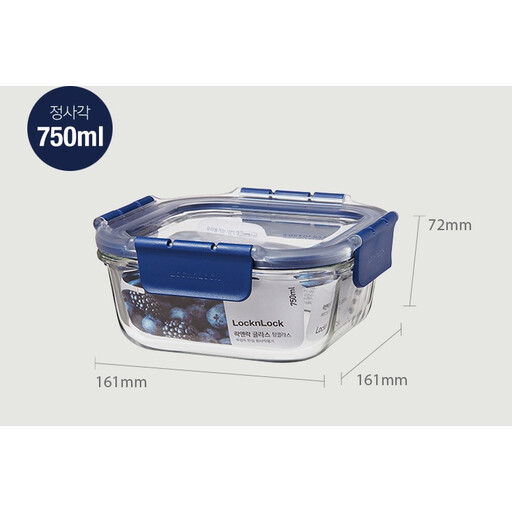
Why this product suits this profile: This square container made from heat-resistant glass is designed for storage, reheating and meal prep. It offers a 750 ml capacity and a four-sided closure.
The specifications distinguish between the glass and the lid: the oven, microwave and air fryer may only be used without the lid. The four closures and silicone seal are designed to provide an airtight, leak-proof seal.
Borosilicate glass, suitable for use up to 400 °C without the lid, freezer-safe down to -20 °C and dishwasher-safe. The model is stackable and specified as BPA-free.
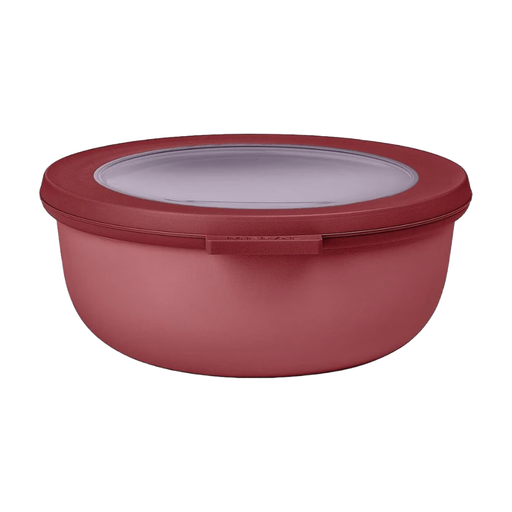
Why this product suits this profile: The round bowl offers a 750 ml capacity and is suitable for the fridge, freezer, microwave without the lid and dishwasher.
The temperature limit of 110 °C is specified. This makes it easier to assess how the product can be used compared with vague marketing claims.
Airtight lid, stackable and nesting design, plus suitability for the freezer, microwave without the lid and dishwasher.
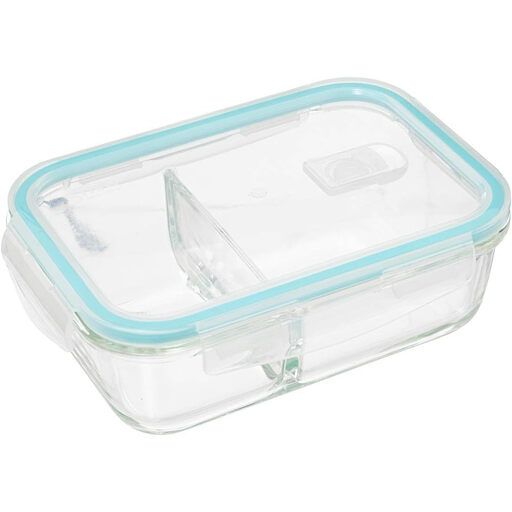
Why this product suits this profile: This larger rectangular model made from borosilicate glass is an option for users who need more capacity or an elongated shape for the fridge and food storage area.
The product specifications state the glass material and dishwasher suitability. As the capacity is greater than 750 ml, check before buying whether the larger capacity is actually needed.
Borosilicate glass, rectangular dimensions of 21.5 × 15.3 × 7.5 cm and dishwasher suitability. The exact closure details should be checked on the product page.
We have put together a complete, regularly updated list of products that fully meet these strict selection criteria and the safety regulations applicable in the EU.
That depends on the model. With many products, only the glass container without the lid can be placed in the microwave. The lid must be removed or, where provided, a steam valve opened. Check the temperature limit and manufacturer’s instructions before use.
There is no fixed service life that applies in every case. It depends on how often it is used, how it is cleaned and how it is handled. Glass can break if knocked, dropped or exposed to thermal shock. Seals and closure mechanisms can wear out with regular use. Check the container before every use and replace it if you find cracks, chips or damaged seals.
A glass meal prep container is suitable when you want to store and heat food in the same container without transferring it. Plastic models are often lighter, making them practical for transport. The key factors are the specific temperature range, leak resistance, weight and intended use. If you regularly reheat food in the oven, choose the glass option with clearly stated oven approval.