
Lieferung heute & morgen

Qualitätsgarantie

Willkommens-Angebote freischalten: KOSTENLOSE Lieferung | Bis zu 80 % RABATT | Kostenlose 30-Tage-JoyPlus-Testphase
App herunterladen
Anyone serious about their fitness goals knows that body weight alone only tells half the story. A modern body composition scale promises detailed insights into metrics like body fat, muscle mass, and visceral fat. However, the market is crowded, and many devices fail to live up to their marketing claims. Before you make a purchase, it's crucial to understand the common pitfalls that lead to inaccurate measurements and frustration.
A frequent problem is the discrepancy between advertised features and actual performance. Many standard scales promote "segmental analysis" even though they can technically only measure the lower body. Another point of criticism is cumbersome data syncing, which often requires you to have your smartphone on hand and the app actively open for every measurement.
This guide explains the key technological differences and helps you find a device that delivers reliable data for your health and fitness goals.
To make an informed decision, don't be dazzled by a long list of features. Instead, focus on three core technical parameters that fundamentally determine accuracy and user convenience.
Most body fat scales use Bioelectrical Impedance Analysis (BIA). This method sends a weak, imperceptible electrical current through the body. Because fat, muscle, and water offer different levels of resistance to the current, the scale can calculate your body composition from the measured resistance (impedance).
A body composition scale with an app is standard today. However, the type of connection is crucial for daily convenience.
A good body composition analyser measures more than just weight and body fat. Look for models that provide a comprehensive analysis to give you a holistic picture of your health. Important metrics include:
Based on the criteria above, we have curated a selection of devices suitable for different user groups and their specific needs.
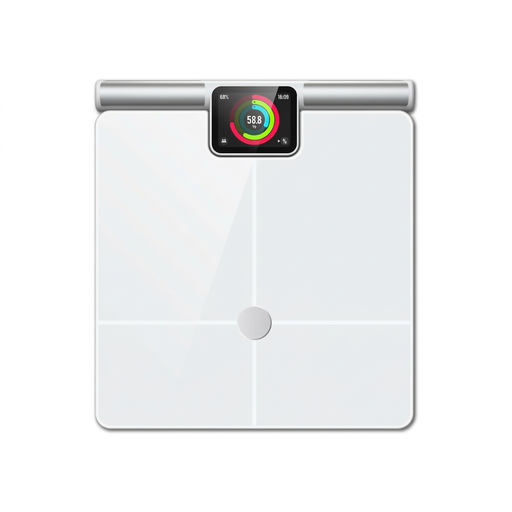
Why This Fits Their Persona: Ideal for athletes and fitness enthusiasts who need detailed, segmental analysis to optimise training plans and nutrition, and who prioritise maximum measurement accuracy.
Uses true 8-electrode technology for precise segmental measurement of arms, legs, and torso, instead of just estimating values. Dual Wi-Fi and Bluetooth connectivity ensures automatic and seamless data synchronisation.
Comprehensive analysis with 56 metrics via dual-frequency BIA. The large TFT colour display shows key data directly on the scale.
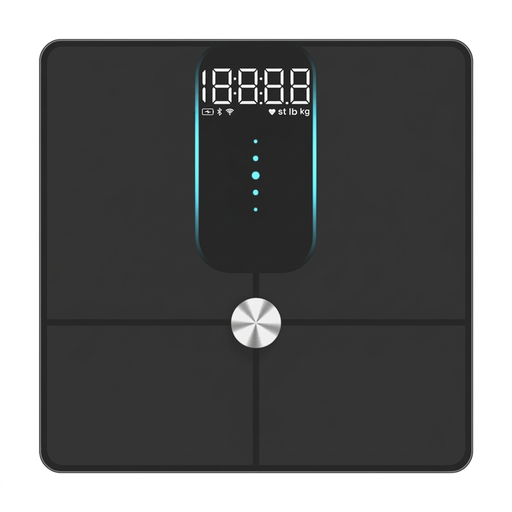
Why This Fits Their Persona: Perfect for health-conscious individuals and families who want effortless, automatic tracking of their body metrics for long-term trend monitoring, without having to pull out their phone for every measurement.
The integrated Wi-Fi function solves the problem of cumbersome Bluetooth syncing. Data is transferred automatically in the background, ensuring consistent and effortless data collection.
The combination of Wi-Fi and Bluetooth offers maximum flexibility. The ITO-coated glass surface provides a modern design with no visible metal electrodes and is easy to clean.
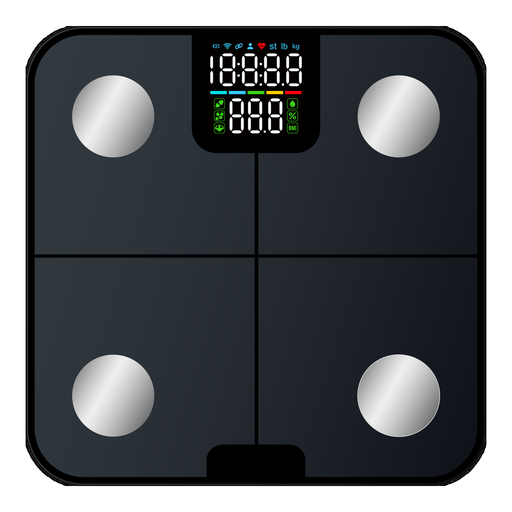
Why This Fits Their Persona: A solid choice for anyone starting to monitor their body composition and looking for a reliable device with essential features at an accessible price point.
This model focuses on the essentials: a stable 4-electrode measurement and a reliable Bluetooth 5.4 connection. It avoids exaggerated marketing claims and instead delivers consistent baseline data.
Offers a comprehensive overview with 25 metrics, including heart rate. The concealed LED colour display is modern and easy to read.
We've compiled a complete, up-to-date list of products that fully meet these strict selection criteria and all relevant safety regulations.
Although home devices cannot match the absolute accuracy of medical procedures like a DEXA scan, 8-electrode scales offer significantly higher precision and consistency than conventional 4-electrode models. Their strength lies in reliable trend analysis. By measuring the arms, legs, and torso separately, they can map changes in body composition resulting from training or dietary adjustments much more accurately.
No, a special network is not required. These scales are designed for use in typical home environments. They generally require a standard 2.4 GHz Wi-Fi network, which most routers provide. The setup is usually straightforward via the corresponding smartphone app. Note that some models may not support pure 5 GHz networks.
Yes, most modern body composition scales are designed for multi-user use. Individual profiles can be created in the app for different family members or housemates. The scale usually recognises the person automatically by their weight and assigns the measurement data to the correct profile. This ensures that each user can track their personal progress privately and separately from others.